

Key Takeaways
Selecting the right bedding for your vehicle upgrades every outdoor excursion while protecting your gear. Use these insights to optimize your camping comfort:
- Prioritize high-density foam for structural support and longevity.
- Measure cargo areas precisely to avoid fitment issues with wheel wells.
- Choose water-resistant materials to withstand outdoor elements during transit.
- Secure your mattress with reliable anchoring systems to prevent shifting.
- Rotate and vent your mattress regularly to prevent moisture build-up.
Understanding types and materials for bakkie mattresses
Choosing the right setup involves balancing cushion firmness with the rugged realities of vehicle-based travel. At the Foam and Upholstery Centre, we emphasize that the internal core material determines how well the surface supports your body throughout the night. Whether you prefer the structure of solid foam or the versatility of air-based systems, understanding material density remains essential for a restorative sleep experience.
High-density foam options for support
High-density foam provides the foundation for consistent sleep, offering enough resistance to prevent bottoming out against the metal floor of your load bin. Because it retains its shape under consistent pressure, this material is a reliable choice for long-term use in mobile environments. Professionals often recommend specific foam grades for different body weights to ensure the spine stays aligned while you sleep away from home.
Self-inflating air technology for portability
Self-inflating solutions offer significant weight reduction for campers who need to clear their load bin quickly for other tasks. This technology uses internal open-cell foam that expands automatically when valves are opened, drawning in air to create a firm cushion. While convenient for those with limited space, these units require careful handling to avoid punctures from sharp gear inside your truck bed.
Durable waterproof coverings for weather resistance
Outdoor environments demand materials that can handle dust, moisture, and extreme temperature shifts. High-performance synthetic fabrics protect the foam core from mold growth caused by trapped perspiration or ambient humidity. By utilizing custom size mattresses with specialized outdoor-friendly covers, you ensure that your investment survives years of exposure to direct sunlight and erratic weather conditions.
Benefits of bakkie mattresses for outdoor enthusiasts
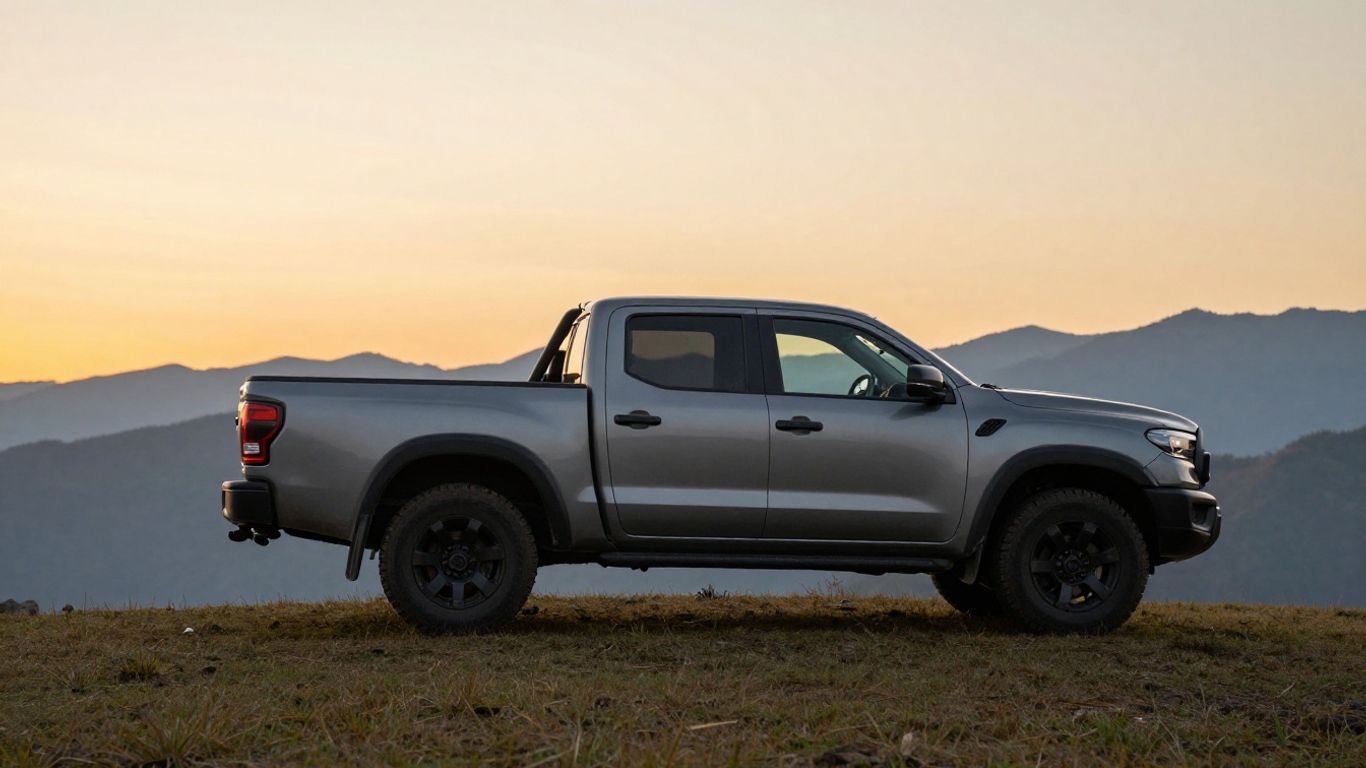
Maximizing your vehicle’s utility requires thoughtful staging of your living area during weekend trips. By treating your load bin as an extension of your bedroom, you create a dedicated space that eliminates the need for complex ground tent setups. Many travelers find that this approach saves significant time when arriving at a destination after dark.
Maximizing sleeping space in the load bin
Converting a dormant truck bed into a sleeping zone turns an otherwise empty cargo area into a functional living room. This organization allows you to compartmentalize gear below the sleeping platform, keeping essential equipment off the ground and away from invasive nocturnal pests or damp earth. Taking full advantage of this footprint prevents the common “cramped” feeling associated with smaller adventure setups.
Superior comfort compared to sleeping on the ground
Sleeping on a flat platform is inherently better for joint health than resting on uneven natural ground. Even with a thin pad, the ground often leeches heat away from the body, whereas a raised load bin creates a physical buffer zone. Many users report that switching to a purpose-built foam unit drastically reduces back strain associated with traditional tent camping.
Insulation from cold and uneven surfaces
Temperature regulation is a critical factor for year-round camping comfort. A high-quality foam mattress acts as an effective thermal break, preventing the cold metal base of your vehicle from sapping core body temperature during chilly nights. Proper insulation keeps the microclimate near your sleeping bag stable, ensuring consistent warmth throughout the night.
Key factors to evaluate before purchasing
Evaluating the technical specifications of a mattress before you purchase helps avoid future frustrations with storage or fitment. You need to consider how the product fits into your current workflow, especially if you balance working functions and leisure activities in the same vehicle. Assessing the specifications against your specific truck model is a vital step toward long-term satisfaction.
Measuring your cargo bed dimensions accurately
Precision counts when designing your sleeping configuration to account for narrow wheel arches or tailgate curves. Even a few centimeters of error can result in a mattress that curls at the edges or leaves frustrating gaps. Taking multiple measurements at different points of the bed is the best way to account for structural variances.
Weight capacity and foam density requirements
Understanding the relationship between physical density and support helps you match a mattress to your needs. The table below outlines how common foam grades perform in standard load-bin applications:
| Foam Density | Ideal Use Case | Support Level |
|---|---|---|
| Low (12-16) | Occasional Guests | Minimal |
| Medium (18-20) | Children/Pets | Moderate |
| High (22+) | Daily/Long Haul | Firm |
Selecting the right density prevents long-term sagging, ensuring that your foam mattresses maintain their integrity despite regular compression and movement.
Ease of folding and storage during transit
Your mattress should accommodate your lifestyle, not hinder your vehicle’s primary utility as a haulage tool. If your setup requires complex removal processes, you are less likely to utilize the gear for short weekend trips. Folding designs offer the most flexibility for sudden access to your cargo bed, making storage straightforward even when you are on the road.
Achieving a perfect fit for your vehicle

Vehicle customization requires a nuanced approach to ensure every transition piece aligns correctly with the cabin structure. Whether you own an imported utility vehicle or a standard work horse, creating a tailored space starts with understanding the unique geometry of your specific load bay. The Foam and Upholstery Centre works with these dimensions to create configurations that function with high precision.
Custom-cut foam for wheel well cutouts
Modifying foam to wrap around wheel housings creates a seamless look that prevents shifting during transit. By carving out specific notches, the mattress locks into place naturally, providing a wider sleeping surface that makes the most of the available floor space. This level of customization is standard for high-end vehicle conversions aimed at serious travelers.
Universal versus vehicle-specific design profiles
Universal designs prioritize quick availability, while vehicle-specific mats are built to match factory tolerances exactly. While universal mats may require manual trimming to clear protruding hardware, vehicle-specific options arrive ready for installation. Identifying whether your bakkie has unique bed contours is the best way to choose between universal convenience and precise fitment.
Adapting configurations for hardtops and tonneau covers
Operating under a canopy or a sleek tonneau cover changes the requirements for your mattress height and ventilation. Low-profile hardtops require thinner mattresses to ensure sufficient headroom during seated or resting activities. Accounting for these clearance requirements allows you to sit upright comfortably without hitting the roof of your cover.
Maintenance and care tips for longevity
Maintaining the structural integrity of your mattress ensures it provides a supportive surface for many seasons to come. Regular attention to the outer shell and inner core prevents degradation from environmental stressors and physical wear. Establishing a simple maintenance routine protects your investment by addressing issues before they become permanent damage.
Proper cleaning techniques for synthetic fabrics
Most high-quality outdoor covers utilize durable fabrics that respond best to gentle mechanical cleaning. You should avoid harsh chemical solvents, opting instead for a soft-bristled brush and mild soap solution to spot-clean spills. This approach preserves the water-resistant coating and ensures the seams remain tightly sealed against moisture ingress.
Preventing mold through ventilation and drying
Moisture management is the single most important habit for extending the life of your foam products. If you use your vehicle in damp climates, lifting the mattress periodically allows air to circulate underneath and removes trapped condensation. Always ensure the sleeping area is completely dry before sealing your canopy or tonneau cover for an extended period.
Off-season storage solutions to maintain shape
When storing your mattress for the winter, ensure it is kept in a climate-controlled area off the floor. Stacking heavy gear on top of compressed foam can permanently deform the structure, leading to uneven support once you pull it back out. If space is tight, keep the mattress in a flattened or loosely rolled state to preserve its original loft.
Accessories to upgrade your mobile camping setup
Enhancing your setup with smart additions turns a simple sleep surface into a comprehensive camping suite. The right accessories manage your immediate environment, helping you stay organized and comfortable regardless of your surroundings.
Portable battery-operated ventilation systems
Good airflow is essential for preventing stuffiness, particularly if you are sleeping under a closed hardtop. Small, quiet battery fans help move air across the mattress, preventing you from waking up overheated or feeling the dampness of high humidity. Integrating a fan into your sleep zone makes it much easier to maintain a comfortable temperature throughout the night.
Bedside organizers for personal essentials
Without a permanent bed frame, finding places for small items like flashlights, phones, or keys becomes a challenge. Strategic organizers allow you to keep crucial gear within reach, preventing clutter from accumulating on the sleeping surface itself. Keeping your platform clear is a major factor in managing a peaceful environment in a tight space.
Anchoring methods for securing your mattress in place
During off-road travel or sudden maneuvers, a loose mattress creates unnecessary noise and can slide into uncomfortable positions. We recommend a few reliable methods to keep your base stable:
- Utilize industrial-grade velcro strips to bond the mattress directly to the bed-liner.
- Install low-profile buckle straps anchored to standard factory tie-down points.
- Apply anti-slip mats underneath the mattress for a non-destructive grip solution.
- Use elasticized bungee netting to pull the corners firmly against the sidewalls.
Integrating these simple mechanical anchors ensures your mattress remains perfectly positioned even on rough terrain, allowing you to relax without worrying about your gear shifting as you drive.
Conclusion
Investing in a high-quality, properly fitted mattress for your vehicle is the most impactful upgrade you can make for your outdoor adventures. By focusing on durable materials and ensuring your foam choice aligns with your specific truck model, you turn your bakkie into a comfortable and efficient mobile base. With the right care and the occasional add-on to boost your setup, your sleep system at the Foam and Upholstery Centre will support many years of travel, ensuring you wake up ready for the next day on the trail.
Frequently Asked Questions
What foam density should I choose for daily camping?
For daily or frequent use, a high-density foam (22+ grade) is recommended to ensure the mattress retains its shape and provides spinal support over long periods of time.
Can I use a standard mattress in my vehicle?
While possible, standard mattresses often lack the weather-resistant covers and specific dimensions required for load bin usage, making them susceptible to mold and poor fitment in small spaces.
How do I prevent mold from growing in my load bin?
Regular ventilation is crucial; periodically remove the mattress to let it air out, use moisture-absorbing products, and ensure your load bin is dry before storing the mattress inside.
Is it possible to cut a foam mattress to fit wheel arches?
Yes, foam can be professionally cut or trimmed with specialized tools to contour around wheel arches and other obstructions, allowing for a flush fit across the entire load bay.
Do I need a specific fabric for an outdoor mattress?
Ideally, use a tear-resistant, water-repellent fabric to protect the foam from outdoor elements, mud, and water, which otherwise penetrate porous standard upholstery fabrics.
How can I stop the mattress from sliding while driving?
Use non-slip mats beneath the mattress or install anchor-point straps to secure the bedding to existing tie-down hardware on the vehicle’s interior sidewalls.
What is the best way to store a bakkie mattress long-term?
Keep the mattress in a cool, dry place and stored flat to avoid permanent compression or deformation, ensuring it stays in top condition for your next expedition.