
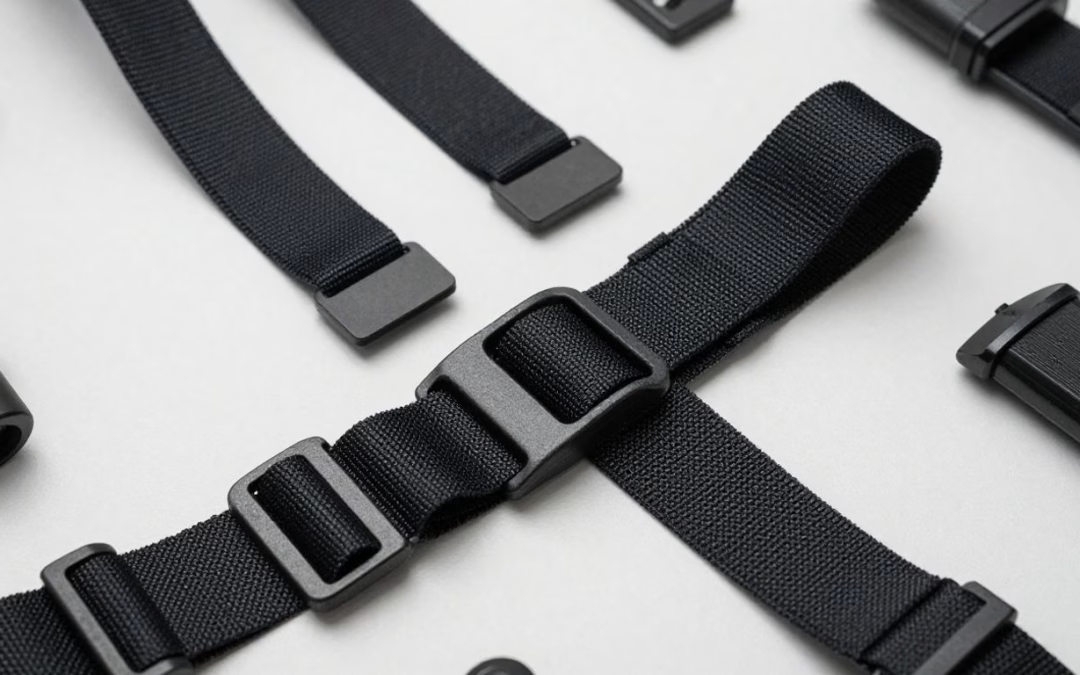
Key Takeaways
Cam buckles provide an efficient means of securing cargo with simplicity and speed. Maintaining consistent quality in your hardware is essential for ensuring load safety and longevity in transport applications.
- Cam buckles offer instant-release functionality for quick loading.
- Hand tensioning provides better control over fragile cargo.
- Polyester or nylon webbing choices affect overall strap durability.
- Regular inspection of buckle mechanics prevents hardware failure.
- Proper storage protects against environmental degradation and UV damage.
Understanding how cam buckles work
Cam buckles are fundamental components for cargo management, providing a secure grip through a straightforward mechanical design. These versatile connectors rely on a tension-based interaction between the strap and the metal frame. By utilizing the Foam and Upholstery Centre selection of gear, users can ensure their attachments are reliable across diverse settings.
Anatomy of a cam buckle mechanism
The core of the device features two serrated edges that lock against the webbing once it travels through the base. This grip is activated when tension is applied to the strap, pulling it against the teeth. It is a simple, effective design that avoids complex internal springs that might jam after repeated use.
The physics of tension and friction
Friction acts as the primary force securing the load, allowing the strap to be tightened as much as a human can pull by hand. This natural limit is helpful for sensitive items because it prevents over-tightening. Our 50mm Cam Buckle Strap illustrates how friction is maximized through high-tenacity materials, ensuring that the webbing remains stationary while the vehicle is in motion.
Advantages of an instant-release locking system
Beyond the secure hold, these systems allow for immediate removal of the load. Pressing a thumb lever releases the pressure, instantly unlocking the strap without the need for sophisticated tools or multiple movements. This makes it an ideal solution for professionals who need to manage their time efficiently while handling light to medium cargo.
Guidelines for safe operation
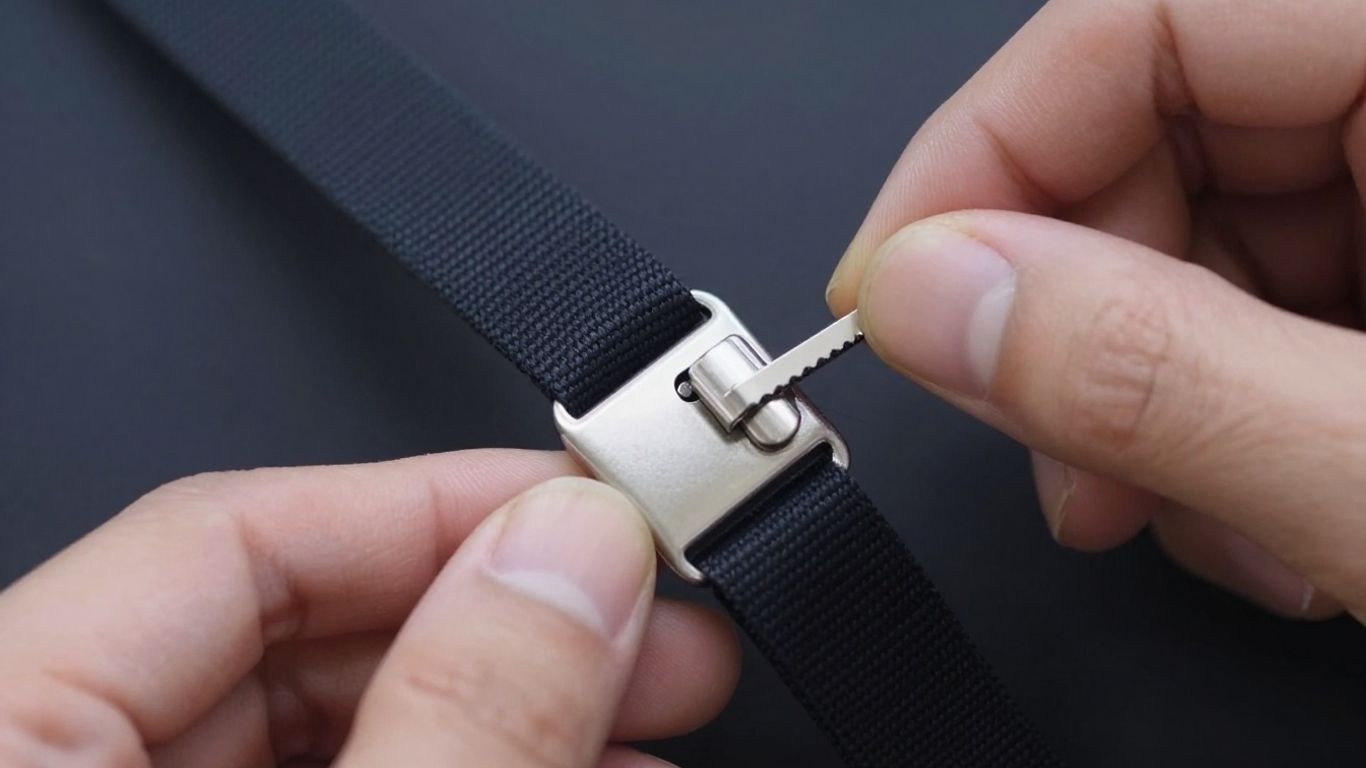
Operating these fasteners requires an understanding of basic tensioning mechanics to prevent accidents on the road. Users should confirm that the buckle is free of obstacles before beginning the threading process. Maintaining a clean pathway ensures your 25mm cam buckle performs exactly as intended during transport.
How to thread webbing through the buckle
Feeding the strap begins at the base of the buckle, ensuring the webbing travels over the cam teeth rather than under them. Always pull the strap through the bottom exit to permit the locking mechanism to engage naturally. If threaded backwards, the buckle will fail to grip the material, leading to inevitable slippage during sharp maneuvers.
Proper tensioning techniques for delicate loads
When dealing with fragile equipment, apply only enough pressure to keep the cargo steady without distortion. Over-tightening can damage delicate surfaces, so adjust your pull force gradually. A helpful guideline for load tensioning includes looking for signs of material stress rather than relying purely on the force of your arm.
Always check the tension one final time after driving the first few kilometers, as loads often settle and require a slight tightening of the system to maintain stability.
Troubleshooting common webbing slippage
Slippage usually indicates a fouled buckle or incorrect threading. If you face this issue, inspect the unit for debris or check that the webbed material has not become too worn or slick. Referencing reliable resources like an a713 can help identify if your current strap duty is appropriate for the weight carried.
Importance of securing excess strap length
Leftover webbing can flap destructively in the wind or get caught in vehicle moving parts. Securing the excess length using rubber bands or integrated clips is necessary for a safe setup. Organizing your tie-down workspace ensures that you follow best practices for cargo organization, as seen in the following distribution of hardware types.
| Strap Duty Rating | Typical Material | Ideal Application |
|---|---|---|
| Light-Duty | Nylon | Domestic Moving |
| Medium-Duty | Polyester | Roof Rack Cargo |
| Industrial-Duty | Heavy Poly | Machinery Transport |
Cam buckles vs. ratchet straps
Choosing between a cam buckle and a ratchet system is predominantly a question of force requirements and load characteristics. Many users prefer cam straps for general utility due to their rapid operation cycle. The cam straps are often preferred for items where high-tension force might cause cracking or structural damage to the object being tied down.
When to choose the speed of a cam buckle
Opt for these devices whenever you need to secure gear frequently over short distances. They are faster than ratchets because they do not require multiple crank motions to tighten. This makes them perfect for leisure equipment such as canoes or surfboards that require frequent loading and unloading sessions.
When to opt for the superior strength of a ratchet
Ratchet straps are necessary when you are dealing with massive, non-sensitive items that weigh hundreds of pounds. These mechanisms provide a mechanical advantage that allows you to exceed the tension possible by hand. If the weight is pushing the limits of your hand strength, a high-torque system like the high-quality cam buckles alternatives or similar mechanical ratchets should be considered.
Assessing cargo sensitivity to clamping force
Before committing to a fastening method, always analyze the surface of your load. Items prone to surface damage benefit from the manual restriction of a cam device, which provides a gentle yet reliable hold for delicate items. Conversely, steel or heavy timber can handle the intense crushing pressure of ratcheted equipment without any threat of deformation.
Selecting the right specifications
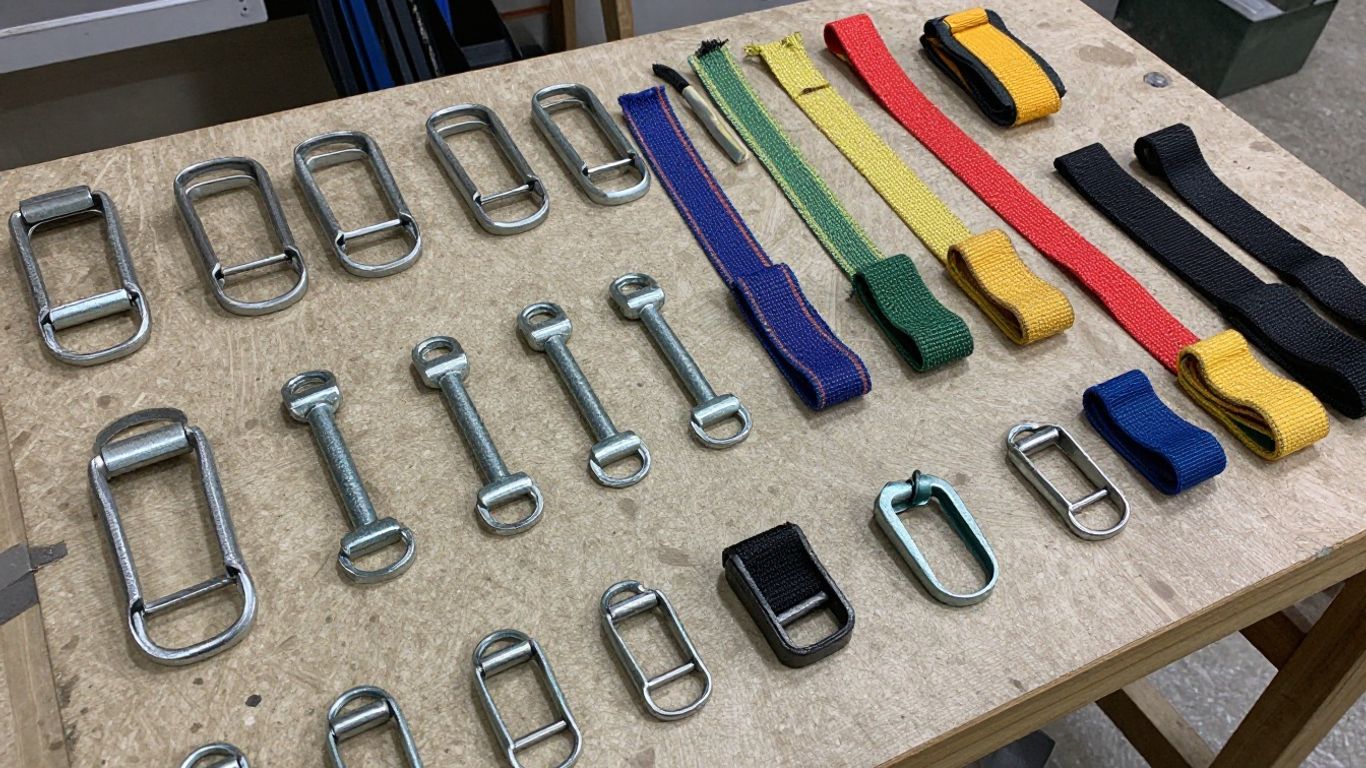
Choosing the right components ensures that every ride is safe and that your gear remains in perfect condition. It is helpful to consider both the width of the webbing and the type of material when shopping for a replacement. Always check the working load rating to confirm it meets your specific project needs.
Understanding working load limits
Every strap has a designated safe working load that should never be exceeded. Understanding this metric keeps your equipment safe and prevents premature component failure. For heavier needs, products like the WEBBING 50MM TUFF BEIGE are engineered to support higher stress environments more effectively than standard off-the-shelf items.
Matching strap width to anchor point size
Strap width determines how much surface contact you have on the load and how well the buckle holds. A 25mm strap is often sufficient for light items, while wider versions provide lateral stability for bigger cargo. Be sure the hook or end-fitting fits your anchor points without forcing the metal against the frame.
Comparing nylon versus polyester webbing
Nylon offers excellent stretch under load, which can be useful when you need a strap that absorbs energy during vibration. Polyester has lower stretch and higher abrasion resistance, making it the preferred choice for rough, abrasive environments. Select the material based on the specific conditions your cargo will likely encounter.
Choosing between S-hooks and sewn loops
S-hooks are fast for temporary attachment but can come loose if the tension drops. Sewn loops are more permanent and secure, making them ideal for heavy or irregular cargo that needs to stay fixed for long periods. Choose based on how often you expect to adjust or remove the connection during your journey.
Maintenance and storage tips
Proper care extends the life of your hardware significantly. Keeping these items clean and dry prevents the oxidation of metal parts and the degradation of synthetic fibers. A consistent routine keeps your gear ready for your next project at the Foam and Upholstery Centre.
Inspecting webbing for abrasions and cuts
Examine the edges of your straps for fraying or deep cuts that might weaken the structural integrity. If you notice a compromised fiber structure, dispose of the unit immediately. Safety should always come before the convenience of finished work, especially when the failure of a strap could lead to an accident.
Keeping the buckle mechanism free of debris
Dirt, saltwater, and sand can eventually seize the spring or gum up the serrations. Rinse the cam assemblies with fresh water after trips to the beach or off-road use. Drying them thoroughly prevents internal rust, ensuring the locking teeth remain sharp and responsive for the next application.
Proper storage conditions to prevent UV degradation
Direct sunlight damages synthetic polymers over time, leading to color fading and brittle material. Store your straps in a dark, cool bay or a dedicated gear box when not in use. Keeping your equipment sheltered represents an investment in the longevity of your load-securing tools.
Common applications
Cam buckles are used in various sectors, from securing cargo for travel to optimizing space in interior storage areas. They provide a standardized way to keep items immobile regardless of the activity. Whether for weekend hauling chores or specific industrial tasks, these straps offer an adaptable solution.
Securing cargo for roof racks
When travelling, keep your gear secure to avoid shifting during high-speed turns or sudden braking. These straps accommodate luggage carriers perfectly, as they allow for micro-adjustments during the loading phase. This ensures that the aerodynamic profile of the carrier remains consistent as you fasten the load tightly against the rack.
Using cam buckles for motorcycle transport
Motorcyclists trust these fasteners to hold their bikes steady on trailers without damaging sensitive fairing plates or bike frames. Unlike high-force ratchets that can compress shocks excessively, these offer a firm but forgiving anchor. They are small enough to reach tight spots around the handlebar or fork tubes during the mounting phase.
Managing domestic moving and storage needs
Moving furniture through the home requires a balance of speed and stability that only cam straps can provide. They help cluster items together to simplify the carrying process and keep smaller boxes from sliding inside moving trucks. Using them helps you utilize space in your storage room efficiently.
Industrial light-duty internal packaging solutions
Inside factories, these buckles help organize crates or pallets during temporary transport on forklifts. They maintain order in tight spots, making them a standard for workplace mobility. These simple connectors bridge the gap between heavy-duty ratchet systems and manual packing efforts, providing a flexible option for logistics support.
Conclusion
By integrating the right cam buckle into your transport routine, you prioritize cargo protection and operational efficiency. Choosing quality hardware and following the proper maintenance steps ensures that your gear is always ready for the next challenge. Investing in reliable equipment helps maintain the integrity of your loads, offering peace of mind every time you head on the road.
Frequently Asked Questions
What weight limit should I look for in a belt?
Always choose a strap rated for double the weight of the items you are transporting to provide a sufficient safety buffer.
Can I use these for heavy construction supplies?
They are suitable for light to medium goods, but you should use heavy-duty ratchets for industrial construction materials that exceed standard weight ratings.
How do I stop the buckle from rusting?
Keep the metal components clean and dry, especially after exposure to moisture, and store your straps indoors away from damp environments.
Is there a specific way to thread the strap?
Yes, always thread the webbing through the buckle in the direction that allows the serrated teeth to bite into the fabric when tension is applied.
When should I replace my straps?
Replace them immediately if you notice fraying, significant discoloration, deep cuts, or if the buckle mechanism shows signs of deformation.
Do these work for holding down tents?
They are excellent for large tents where you need an adjustable, reliable tensioner that stays put without stretching too much.
Will the metal teeth damage my cargo?
The teeth are designed to grip the webbing, not the cargo itself, but you should ensure the webbing lies flat over the surface to avoid any pressure points.