
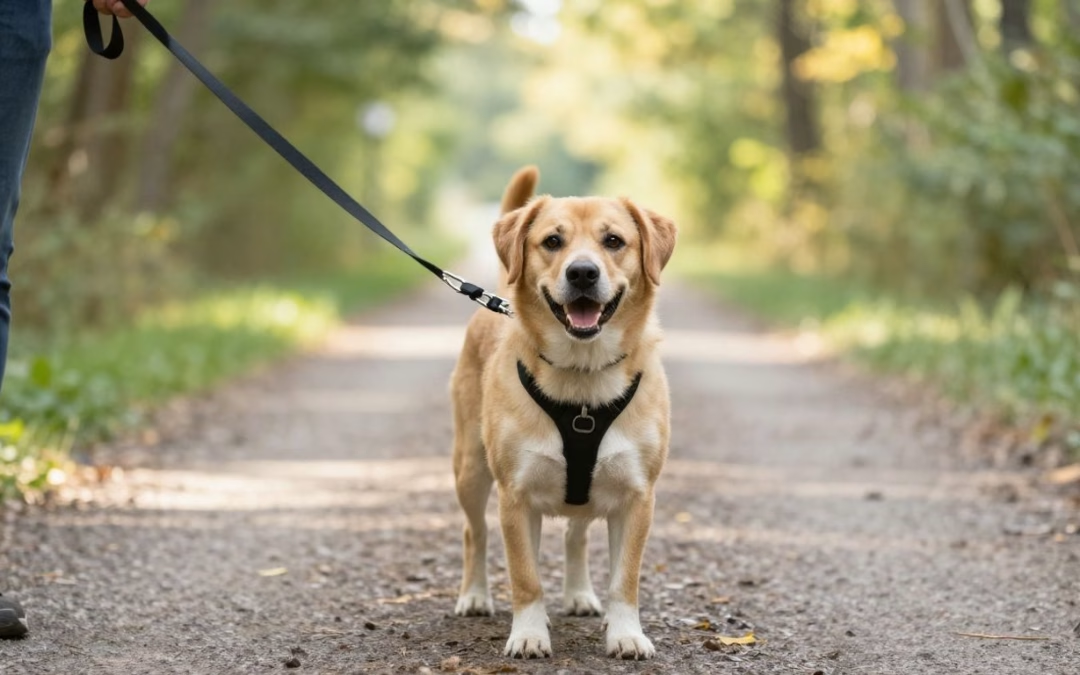
Key Takeaways
Choosing the proper gear ensures safety and comfort for both the handler and the pet during daily activities. The following points summarize the essential factors to consider when selecting and maintaining your equipment.
- Match the leash type to your environment and dog training goals.
- Prioritize durable, weather-resistant materials for everyday use.
- Hardware must be inspected regularly to prevent accidental failures.
- Proper sizing depends on the dog’s weight and your specific control needs.
- Consistent training techniques enhance the safety of walks in any setting.
Types of dog leashes
Standard fixed-length leashes for daily walks
For most owners, a standard six-foot lead remains the most reliable option for routine outings. These simple tools provide consistent length, making them ideal for teaching basic commands and maintaining proximity in populated areas.
Retractable leashes for controlled freedom
Retractable options allow dogs more room to roam while maintaining a connection to the handler, though they require careful use to avoid tangles. They are best suited for open spaces where the environment is predictable, rather than high-traffic streets.
Slip leads for specialized training purposes
These combination collar-and-leash tools are designed for quick and efficient usage during professional training sessions. They provide immediate feedback, which can be useful when teaching a dog to walk calmly without pulling.
Martingale leads for escape-prone dogs
These leads incorporate a limited-closure loop that tightens gently when the dog pulls, effectively preventing them from backing out of their collar. This design offers a higher degree of security for sensitive or anxious animals in unpredictable environments.
Selecting the right leash material
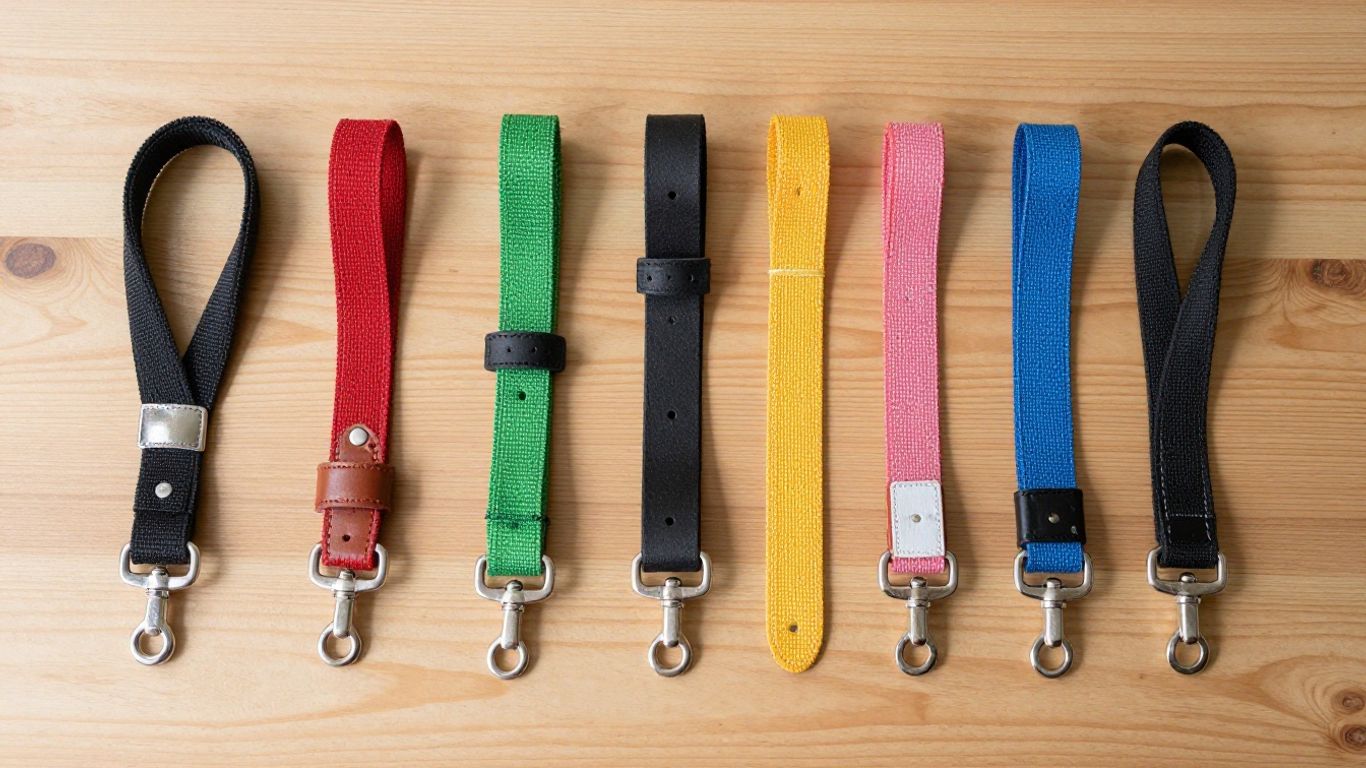
Nylon and polyester webbing options
Webbing is a popular choice due to its balance of strength and flexibility, fitting comfortably in the hand. Many owners utilize high-performing components like the 50mm Black Q562 Webbing when crafting custom gear to ensure maximum durability.
Leather leashes for comfort and durability
Leather provides a soft, organic feel that becomes more supple over time, making it a favorite for long-term comfort. Similar to the quality found in 25MM Brown Webbing at the Foam and Upholstery Centre, high-quality materials offer longevity that synthetic options sometimes struggle to replicate.
Biothane leashes for weather resistance
Biothane is an excellent alternative for those who frequently walk in rainy or muddy conditions because it does not absorb moisture or odors. Its smooth surface also makes it incredibly easy to wipe clean after a day of exploring trails.
Chain leashes for extreme chewers
When a dog is prone to gnawing on their gear, a chain lead offers an indestructible barrier. While heavier than other options, these leashes are often used specifically as a deterrent for dogs that have already destroyed several standard fabric leads.
Considerations for leash sizing and hardware
Determining the appropriate leash length
Choosing the right length requires balancing your dog’s need for space with your need for control. A four-foot length is often preferred for busy urban environments where hazards are common, while six feet is standard for most residential walks.
Choosing secure clips and locking carabiners
Reliable hardware is the only thing keeping your dog attached to you, so prioritizing strength is essential. The following table highlights common attachment types:
| Attachment Type | Best Use Case | Security Level |
|---|---|---|
| Bolt Snap | Standard light-medium duty | Moderate |
| Locking Carabiner | High-activity or escape-prone | High |
| Slip Ring | Quick training sessions | Low |
For secure connections that withstand sudden movements, experts often recommend relying on locking mechanisms rather than basic spring clips.
Matching leash width to your dog’s size
Using the correct width ensures the tool is comfortable for you and safe for the pet. A thinner, lightweight leash is appropriate for toy breeds, whereas larger dogs with more strength require wider webbing to prevent the material from cutting into your hand.
Integrating reflective materials for night safety
Visibility is a vital aspect of walking in low-light conditions, and adding reflective elements is a simple, effective safety upgrade for every walker. These features bounce light from passing vehicles back to drivers, providing an extra layer of protection during evening outings.
Best practices for leash training
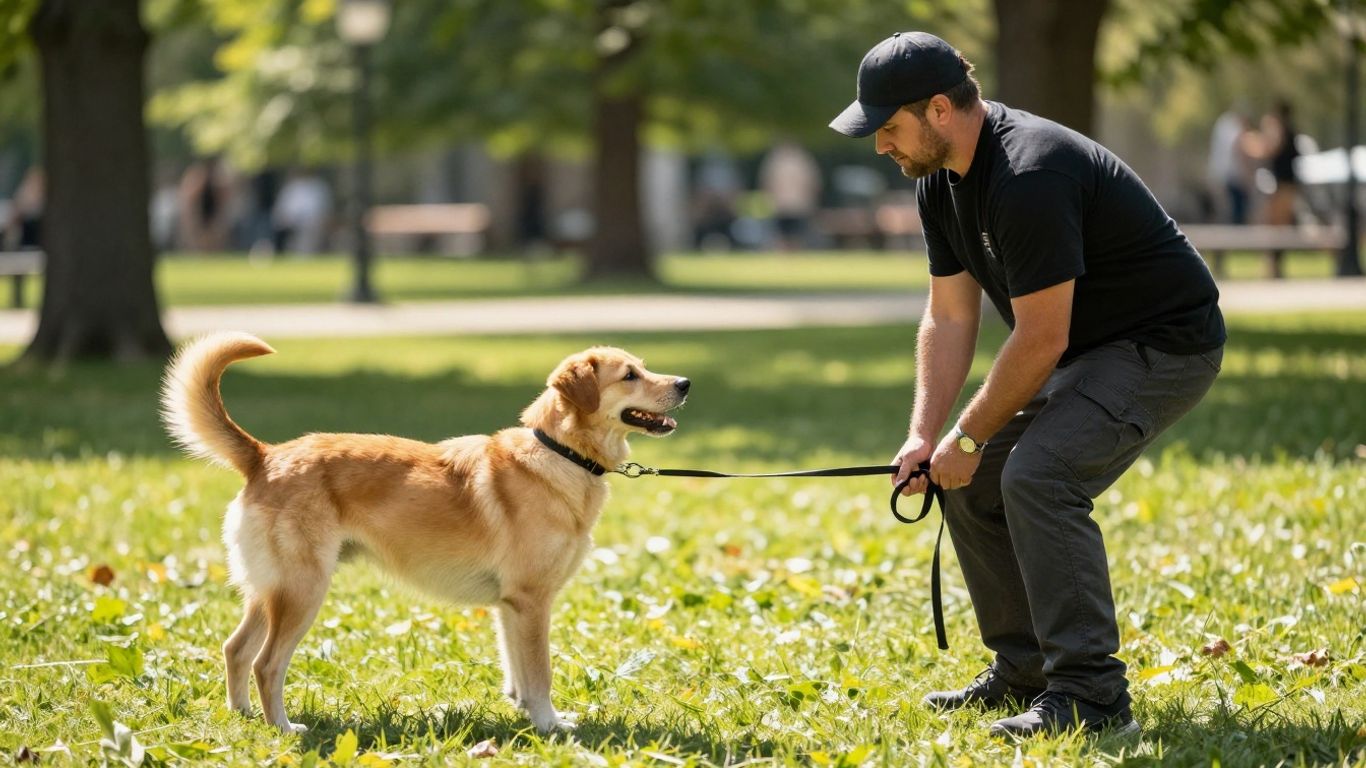
Building a strong training foundation
Training should begin in a low-distraction environment to help the dog focus on handler cues. Establishing a consistent verbal marker for “heel” or “close” is the first step toward a harmonious walk.
Managing leash pulling behaviors
When pulling occurs, stopping moving immediately or changing direction signals that the behavior is not productive. This constant reinforcement teaches that a loose leash is the only way to reach the destination.
Handling walks in high-distraction environments
As you progress, try these structured steps to manage busy areas:
- Maintain a shorter lead length while moving through crowds.
- Carry high-reward treats to recapture your dog’s attention.
- Increase the distance between your dog and potential stressors.
- Practice basic sit-stays while waiting for crossings.
By following these sequential actions, handlers can significantly reduce stress for their companions in chaotic urban spaces.
Maintaining safety protocols in public spaces
Always adhere to local leash laws and keep your surroundings in view to anticipate potential encounters. Utilizing established brands like Ruffwear for your gear can often provide additional safety features that make managing these spaces much more efficient.
Maintenance and safety checks
Regularly inspecting hardware for signs of wear
Check for visible corrosion or spring weakness on every clip before leaving the house. Even minor cracks in aluminum or plastic hardware can signify that a replacement is needed to ensure the gear does not snap under sudden stress.
Cleaning protocols for different leash materials
Fabric-based leads should be scrubbed with mild soap and water periodically to remove grit and salt. If you prefer stylish, luxury designs, brands such as By Scout offer specialized care instructions that preserve the integrity of their unique patterns and materials.
Knowing when to replace a damaged leash
If you notice frayed stitching or thinning fabric, it is time to retire the tool. Never attempt to patch high-load areas with tape, as these DIY fixes often fail exactly when you need them most.
Proper storage methods to prevent material degradation
Keep leashes out of direct, intense sunlight when not in use to avoid UV damage to synthetic fibers. Storing them in a cool, dry place ensures the material doesn’t become brittle over long periods.
Specialized leash options
Dual-dog coupler systems for multi-pet owners
Couplers allow you to walk two dogs with one main lead, saving you from navigating multiple tangling straps. Ensure your dogs are similar in size and temperament for the best experience.
Hands-free leashes for active owners
For those who enjoy jogging, there are many innovative options provided by companies like The Foggy Dog that allow you to loop the lead around your waist. This setup keeps the dog steady near your leg while keeping your hands free for momentum.
Short traffic leads for urban walking
These short handles are designed to keep your dog at your side in dense, high-traffic areas. They act as a helpful backup to your primary lead when you encounter other pedestrians.
Long lines for distance training and hiking
Long lines provide extra reach for recall practice and sniffing explorations in wide-open fields. They are essential tools for giving your dog a sense of freedom while maintaining a safety net.
Conclusion
Finding the right equipment for your canine companion involves balancing safety, durability, and your specific daily environment. By understanding the types, materials, and maintenance requirements, you create a more enjoyable and secure experience for both you and your pet. Whether you are opting for standard webbing or specialized hands-free options, prioritize quality components that offer peace of mind. Keeping these practices in mind ensures that every walk, training session, or outdoor hike remains a positive interaction between you and your dog.
Frequently Asked Questions
How long should an everyday leash be for my dog?
A standard six-foot leash is generally the best starting length as it provides enough room for the dog to move while keeping them close enough for safety and control.
Can I use a retractable leash in a city?
It is generally recommended to use a standard fixed-length leash in urban environments, as retractable leashes do not give you immediate control if your dog is startled or approached by another animal.
How often should I check my leash for damage?
You should perform a quick visual check of the leash material and hardware before every walk to ensure there are no signs of fraying or hardware malfunction.
Which material is best for rainy weather?
Biothane is an excellent choice for rainy or muddy conditions because it is waterproof, does not absorb odors, and is very easy to wipe clean.
Do I need a different leash for training versus walking?
While you can train with a standard lead, many trainers use slip leads or shorter training tabs specifically for coaching sessions to provide better physical feedback.
How do I stop my dog from chewing the leash?
If your dog chews the leash, you may need a chain lead as a temporary measure to deter the behavior, and you should focus on redirecting their attention to proper chew toys when walking.
What does a martingale lead do?
A martingale lead features a limited-closure loop that tightens slightly when the dog pulls, which helps prevent them from slipping out of the collar during a walk.