
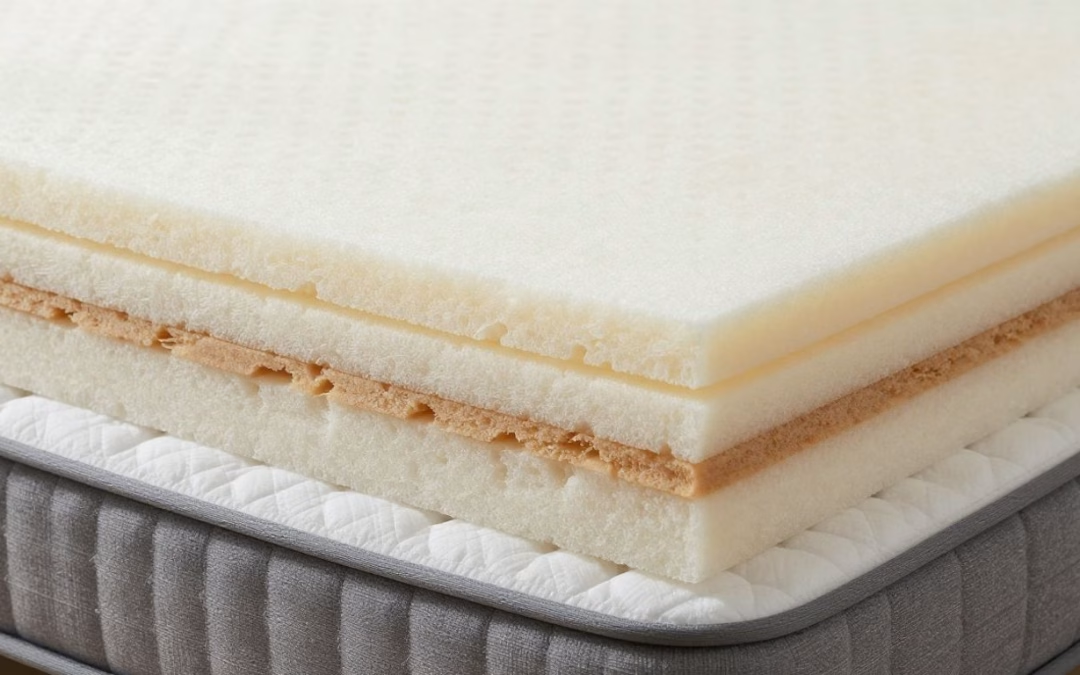
So, you’ve got a memory foam mattress and you’re wondering how long it’s going to last. It’s a fair question, right? We spend a good chunk of our lives sleeping, and we want that time to be comfortable. Memory foam is popular for a reason – it feels pretty great. But like anything, it doesn’t last forever. Let’s talk about what to expect and how to get the most out of yours.
Key Takeaways
- Most memory foam mattresses typically last between 8 to 10 years, though this can vary.
- Higher-density foams and premium materials generally lead to a longer mattress lifespan.
- Factors like body weight, sleeping position, and how often the mattress is used can affect durability.
- Proper care, including using a mattress protector and rotating the mattress, can help extend its life.
- Signs like significant sagging, persistent discomfort, or visible wear and tear indicate it might be time for a replacement, regardless of age.
Understanding Memory Foam Mattress Lifespan
So, you’ve got a memory foam mattress, and you’re wondering how long it’s actually going to last. It’s a fair question, right? Nobody wants to buy a new mattress only to have it go flat or uncomfortable after just a couple of years. Memory foam has gotten super popular because it molds to your body, offering that cozy, supportive feel. But like anything, it doesn’t last forever.
The Average Longevity of Memory Foam
Generally speaking, a good quality memory foam mattress can stick around for about 8 to 10 years. Some might even push a bit longer, while others, especially less expensive ones, might start showing their age sooner. The ten-year mark is often considered the upper limit for most memory foam beds. It’s not a hard and fast rule, of course, but it’s a good benchmark to keep in mind.
Factors Influencing Mattress Durability
What makes one mattress last longer than another? A few things come into play:
- Material Quality: Higher-density foams tend to be more durable than lower-density ones. Think of it like a sponge – a denser sponge holds its shape better.
- Body Weight: If you’re on the heavier side, the foam might compress more over time, potentially shortening its lifespan.
- Usage: How you use your mattress matters. Do you eat in bed? Jump on it? Or is it just for sleeping? All these things add up.
- Maintenance: Believe it or not, how you care for your mattress can make a big difference. Things like using a protector and rotating it can help.
Premium vs. Budget Foam Mattresses
There’s a pretty big difference between a high-end memory foam mattress and a budget-friendly one. The pricier models usually use better quality materials and construction techniques. This means they’re built to last longer and maintain their comfort and support for more years. Cheaper versions might use lower-density foams that can start to sag or develop lumps much faster, sometimes within just 5-7 years. So, while the initial cost is higher for premium options, you might actually save money in the long run by not having to replace it as often. It’s worth looking into different mattress types if you’re trying to figure out what fits your budget and needs best.
When you’re thinking about how long your mattress will last, it’s easy to get caught up in the numbers. But remember, the goal is good sleep. If your mattress is no longer giving you that, regardless of its age, it might be time to consider a change. Comfort and support are the real indicators of a mattress’s effectiveness.
Taking care of your mattress is key to getting the most out of it. Simple steps can really help extend its life, making sure you get those 8-10 years of good sleep you expect from a quality memory foam bed. For more on what affects how long a mattress lasts, check out mattress lifespan variations.
Key Indicators for Mattress Replacement
Sometimes, you just know. Your mattress might not be screaming at you, but it’s definitely sending out signals that it’s time for a change. Ignoring these signs can lead to some pretty rough nights and even some morning aches you didn’t have before. So, what should you be looking out for?
Visible Signs of Wear and Tear
This is usually the most obvious stuff. Think of it like looking at an old pair of shoes – you can see when they’ve just had it. For your mattress, this means checking for:
- Deep body impressions: If you consistently sink into the same spot every night, creating a sort of "hammock effect," the internal structure is likely breaking down. This means it’s no longer supporting your body evenly.
- Lumps and unevenness: Does your mattress feel bumpy or lumpy? This often happens when the padding or foam starts to break apart unevenly. It’s not just uncomfortable; it can put pressure on the wrong parts of your body.
- Fabric damage: Look for torn fabric, loose seams, or worn-out patches. While cosmetic, it can also indicate that the internal layers are being exposed or compromised.
Changes in Comfort and Support
This is where you really feel the difference. A mattress’s main job is to provide comfort and support, and when it stops doing that well, you’ll notice.
- Waking up sore: If you’re suddenly dealing with back pain, neck stiffness, or general aches and pains that weren’t there before, your mattress might not be keeping your spine aligned properly anymore. This is a big one.
- Increased tossing and turning: Are you finding it harder to get comfortable? Do you wake up feeling like you’ve been moving around all night? This often happens when the comfort layers lose their responsiveness, making it difficult to settle into a stable, restful position.
- Feeling your partner move: If you’re suddenly more aware of every little movement your partner makes in bed, it’s a sign that the mattress’s ability to absorb motion has decreased. This usually happens as the internal materials wear down.
Over time, mattresses can become a breeding ground for dust mites, dead skin cells, and allergens. Even with regular cleaning, older materials trap more of this stuff, which can lead to allergy flare-ups, congestion, or lingering odors. If you’ve noticed your allergies acting up more than usual, your mattress might be the culprit.
The Ten-Year Mark: A General Guideline
While not a hard and fast rule, the ten-year mark is often cited as a general point where most mattresses, including foam ones, start to show significant wear. By this age, even a well-cared-for mattress has likely lost a good portion of its original support and comfort. It’s a good time to start evaluating its condition more closely, even if you haven’t noticed major issues yet. Think of it as a milestone to check in on your mattress’s overall health.
Factors That Impact How Long A Foam Mattress Lasts
So, you’ve got a foam mattress and you’re wondering how long it’s going to stick around, right? It’s not just about the sticker price or the brand name. A bunch of things actually play a role in how long your mattress will keep giving you good sleep. It’s kind of like anything else you own – how you treat it and what it’s made of really matters.
Material Quality and Construction
This is a big one. Think about it: a mattress built with cheap, low-density foam isn’t going to hold up as well as one made with higher-quality, denser materials. Cheaper foams can start to sag or develop lumps much sooner. Premium models made with high-density foams tend to keep their shape and support for a longer time. It’s worth looking into what goes into your mattress; some brands really put their materials through tough tests to make sure they last. For example, some companies test their foams to simulate 10 years of use, which is pretty neat.
Body Weight and Sleep Position
Your body weight definitely has an effect. If you’re on the heavier side, the mattress might compress more over time, which can lead to wear and tear happening a bit faster. Lighter sleepers might find their mattress lasts a bit longer. And where you sleep on the mattress matters too. If you tend to sleep in the same spot every night, that area might show wear before other parts of the bed. Side sleepers, for instance, might notice more compression in the hip and shoulder areas.
Usage Habits and Environment
How you use your mattress and where it lives can also make a difference. Regularly sitting on the edge of the bed, for example, can weaken those edges over time. Also, the temperature and humidity in your bedroom play a part. Foam can break down faster if it’s constantly exposed to too much heat and moisture. So, keeping your room cool and well-ventilated is a good idea for extending your mattress’s life.
Think of your mattress like a car. If you take it for regular check-ups and keep it clean, it’ll run smoothly for ages. But if you ignore the warning lights, you might find yourself needing a new one sooner than you expected. The same goes for your mattress; a little care goes a long way.
Maximizing Your Memory Foam Mattress’s Life
So, you’ve got a memory foam mattress and you’re wondering how to keep it feeling great for as long as possible? It’s not rocket science, but a little bit of care goes a long way. Think of it like taking care of a good pair of shoes – a little attention means they’ll last you ages.
The Importance of Mattress Protectors
This is probably the easiest thing you can do. A good mattress protector is like a shield for your mattress. It keeps spills, sweat, and dust mites from getting into the foam. Accidents happen, right? Whether it’s a spilled drink or just the general wear and tear of sleeping, a protector can save your mattress from a lot of damage. It also helps keep things hygienic, which is always a plus. Seriously, get one of these things. It’s a small investment that can prevent big problems down the line, like stains that are impossible to get out or even mold growth if things get really damp.
Regular Rotation for Even Wear
Memory foam mattresses don’t always need to be flipped like older innerspring ones, but rotating them is a good idea. This means turning the mattress 180 degrees, so the head of the bed becomes the foot, and vice versa. Doing this every few months helps distribute the wear more evenly. If you always sleep in the same spot, that area can start to compress more than others. Rotating helps prevent those deep body impressions from forming too quickly. It’s a simple step that can make a noticeable difference in how long your mattress stays comfortable and supportive. Aim to do this about every 3-6 months. Some people even do it seasonally, like when they change their clocks for daylight saving time.
Proper Foundation and Ventilation
What you put your mattress on matters. A good foundation, like a sturdy bed frame with plenty of support, is key. If your frame is weak or doesn’t have enough slats, the mattress can start to sag in the middle. This puts extra stress on the foam and can shorten its life. Also, memory foam needs a bit of airflow. Make sure your bed frame allows air to circulate underneath. If your mattress is sitting directly on a solid surface with no ventilation, moisture can get trapped, which isn’t good for the foam or for keeping your sleeping environment fresh. Some people even find that using a slatted base, especially one with wider slats, is better for foam mattress longevity.
Taking these simple steps – using a protector, rotating regularly, and ensuring a good foundation – can significantly extend the comfortable life of your memory foam mattress. It’s about proactive care rather than reactive fixes. Think of it as giving your mattress the best chance to do its job well for years to come.
Variations in Foam Mattress Durability
Density’s Role in Foam Longevity
So, you’re thinking about how long that foam mattress is actually going to last? Well, a big part of the puzzle is the foam’s density. Think of it like this: denser foam is generally tougher and holds its shape better over time. Cheaper, low-density foams can start to sag or feel lumpy much sooner, sometimes within just 5 to 7 years. On the flip side, higher-density foams are built to last closer to the 10-year mark, giving you more bang for your buck in the long run. It’s a pretty straightforward trade-off – more density usually means more durability.
Gel Memory Foam vs. Traditional Foam
When memory foam first came out, it had a reputation for sleeping hot. That’s where gel memory foam stepped in. Manufacturers infuse gel beads or swirls into the foam, or use a gel-infused latex, to help dissipate heat. While gel foam can offer a cooler sleep experience, it doesn’t necessarily mean it lasts longer than traditional memory foam. The overall construction and quality of the foam itself are still the main drivers of longevity. Some gel foams might even break down a bit faster if the gel particles aren’t integrated perfectly. It’s worth looking into how memory foam mattresses perform across different factors, including cooling.
Different Foam Types and Their Lifespans
It’s not just about density or whether there’s gel involved. There are other types of foam used in mattresses, and they all have their own lifespans. Polyfoam, for instance, is often found in budget-friendly mattresses and tends to break down faster than memory foam. Then you have latex foam, which is a whole different ballgame. Natural latex is incredibly resilient and can often last 10 years or even more without losing much of its support. When you’re shopping, pay attention to the specific type of foam used. A mattress that uses high-density polyfoam might still outlast a low-density memory foam option, but generally, memory foam and latex tend to be the longer-lasting choices.
The type of foam, its density, and how it’s put together all play a role in how long your mattress will feel comfortable and supportive. Don’t just assume all foam is created equal; there are real differences that affect its lifespan.
Here’s a quick look at how different foams generally stack up:
- Memory Foam: Typically lasts 6-10 years, with higher density versions going longer.
- Polyfoam: Often found in less expensive mattresses, usually lasting 5-7 years.
- Latex Foam: Known for its durability, often lasting 10+ years.
Choosing a mattress with high-density foam is a good bet for durability, no matter the specific type.
When to Consider a New Mattress
Even the best foam mattresses don’t last forever. While they’re built for comfort and support, time and use will eventually take their toll. Recognizing the signs that your mattress has reached the end of its road is key to maintaining good sleep and avoiding aches and pains. Don’t wait until you’re waking up feeling like you wrestled a bear all night; be proactive!
Recognizing Sagging and Indentations
One of the most obvious indicators that your mattress is past its prime is when it starts to sag or develop noticeable indentations. If you find yourself sinking into the same spot every night, or if you feel like you’re rolling towards the center of the bed, the internal support structure has likely broken down. This "hammock effect" means the mattress can no longer keep your spine properly aligned, which can lead to discomfort and pain in your back, hips, or shoulders. Look for dips that don’t bounce back when you get up.
Experiencing Persistent Discomfort
Your mattress should be a source of comfort and rejuvenation, not a cause of ongoing pain. If you’ve started waking up with stiffness, soreness, or aches that seem to fade as the day goes on, your mattress is probably not providing the support you need anymore. This can also manifest as increased restlessness or tossing and turning throughout the night as you try to find a comfortable position. The materials that once cushioned and supported you might have softened or lost their resilience, making it harder to settle in for a good night’s sleep. A mattress protector can help keep your mattress clean, but it can’t fix internal wear and tear.
Mattress Age and Warranty Considerations
While there’s no single hard-and-fast rule for when a mattress needs replacing, age is definitely a factor. Most foam mattresses are designed to last between 7 to 10 years. If yours is creeping up on or has passed the decade mark, it’s probably time to start shopping for a new one. Think about all the things a mattress endures over that time – sweat, skin cells, dust, and general wear. Even with regular cleaning and rotation, the materials degrade. Also, check your warranty. While warranties don’t cover normal wear and tear, they often specify a minimum lifespan or cover manufacturing defects that might become apparent over time. If your mattress is showing significant signs of wear and is nearing the end of its warranty period, it’s a good signal to start looking for a replacement.
Beyond the physical signs, consider your overall sleep quality. If you’re consistently waking up tired, or if your sleep quality has noticeably declined, your mattress might be the culprit. Sometimes, the best way to know if it’s time for a new mattress is simply how you feel when you wake up.
So, When’s Time for a New Mattress?
Alright, so we’ve talked about how long these memory foam mattresses usually hang around – typically somewhere between 8 and 10 years, give or take. But honestly, it’s not just about the calendar. Think about how it feels when you get out of bed. Are you sore? Is the mattress lumpy or sagging in spots? Those are your real clues. Taking good care of it, like using a protector and maybe giving it a spin now and then, can definitely help it last longer. But when it stops feeling good and supportive, that’s your sign. It might be time to start looking for a new one so you can get back to those good night’s sleeps.
Frequently Asked Questions
How long does a memory foam mattress usually last?
Most memory foam mattresses are built to last for about 8 to 10 years. However, this can change depending on the quality of the foam, how much you use it, and how well you take care of it. Some higher-quality ones might even last a bit longer.
What makes a memory foam mattress wear out faster?
Several things can make your mattress not last as long. If you’re heavier, it might show wear sooner. Using it a lot, like sleeping on it every single night or having pets and kids jump on it, also speeds up the process. Not using a mattress protector can lead to damage from spills, and not rotating it means one side wears out faster.
Are there signs that I need to replace my memory foam mattress?
Yes, definitely! If your mattress has noticeable dips or sags where you sleep, if it feels lumpy, or if you’re waking up with aches and pains that you didn’t have before, it’s probably time for a new one. Even if it’s not super old, these are clear signs it’s not supporting you well anymore.
Does the type of memory foam matter for how long it lasts?
It sure does! Mattresses made with higher-density foam generally last longer than those with lower-density foam. Also, newer types like gel memory foam are designed for comfort and durability, but their lifespan is still in that typical 8-10 year range, depending on the overall quality and how you treat it.
How can I help my memory foam mattress last longer?
Taking good care of your mattress is key. Use a waterproof mattress protector to keep it safe from spills and accidents. Try to rotate your mattress every few months so it wears evenly. Also, make sure it’s on a strong, supportive bed frame so it doesn’t sag prematurely.
Is it true that memory foam mattresses can trap heat?
Some older or cheaper memory foam mattresses could feel warm because they conform closely to your body. However, many modern memory foam mattresses have special cooling features, like gel infusions or breathable layers, to help keep you comfortable and prevent overheating.