
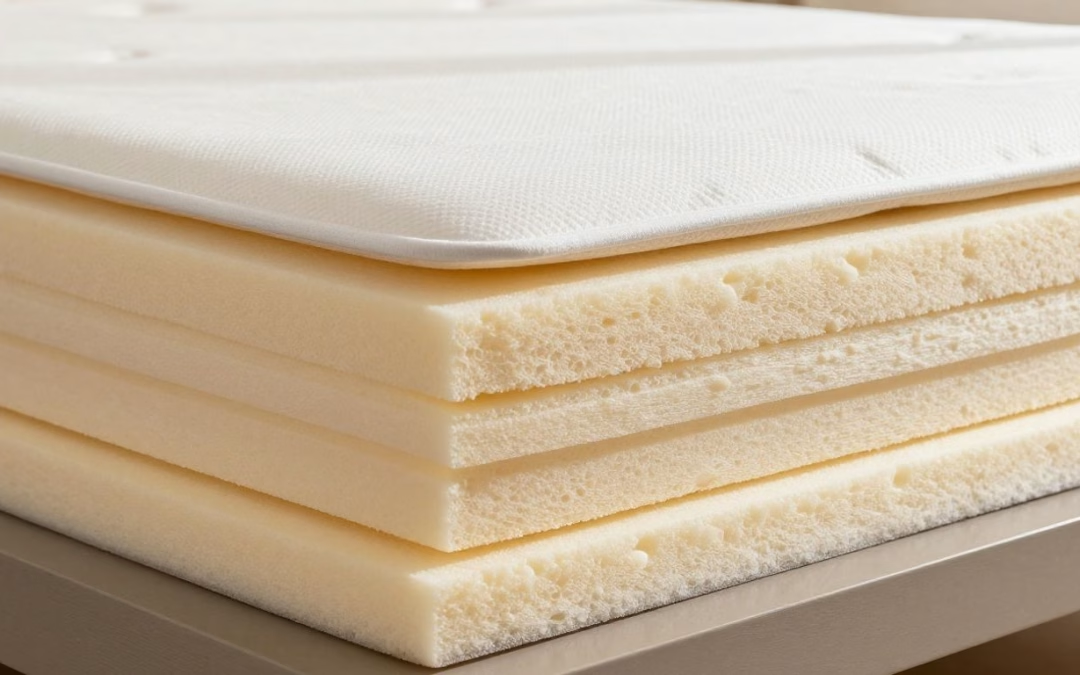
So, you’re wondering how thick should a foam mattress be? It’s a question that pops up when you’re mattress shopping, and honestly, it’s not as simple as picking the biggest one. The thickness really matters for how you sleep, how long the mattress lasts, and even how you get in and out of bed. We’ll break down what you need to know to pick the right one for you, because nobody wants to wake up with aches and pains from a mattress that’s just not cutting it.
Key Takeaways
- Mattress thickness is important because it affects comfort, support, and how long the mattress will last. It’s not just about how plush it feels.
- Generally, foam mattresses come in sizes from 6 to 14 inches thick. The best one for you depends on your body weight and how you sleep.
- If you’re lighter, a thinner mattress (around 8-10 inches) might be fine. For average weights, 10-12 inches is usually good. If you’re heavier, you’ll likely need something 12 inches or thicker to avoid sinking too much.
- Your sleeping position plays a role too. Side sleepers often need thicker mattresses (12-14 inches) for extra cushioning on pressure points like hips and shoulders.
- Don’t forget about your bed frame! The total height of your bed matters for getting in and out easily, so factor that in when you’re looking at mattress thickness.
Understanding Mattress Thickness and Its Importance
When you’re shopping for a new foam mattress, you’ll notice they come in all sorts of heights. It might seem like just another number, but the thickness of your mattress actually plays a pretty big role in how you sleep and how long the mattress lasts. It’s not just about how high your bed sits off the floor; it’s about the layers inside and what they do for your body.
Why Mattress Thickness Matters for Sleep Quality
So, why should you even care about mattress thickness? Well, it directly impacts how your body is supported and how comfortable you feel all night long. A mattress that’s too thin might let you sink right down to the frame, leading to aches and pains. On the flip side, a mattress that’s too thick might not offer enough support for some people. The right thickness helps distribute your body weight evenly, preventing those annoying pressure points that can wake you up. It also helps stop you from feeling like you’re sinking too much, which is a common complaint with less substantial mattresses. Plus, more material often means better durability, so your mattress might last longer.
The Role of Mattress Layers in Thickness
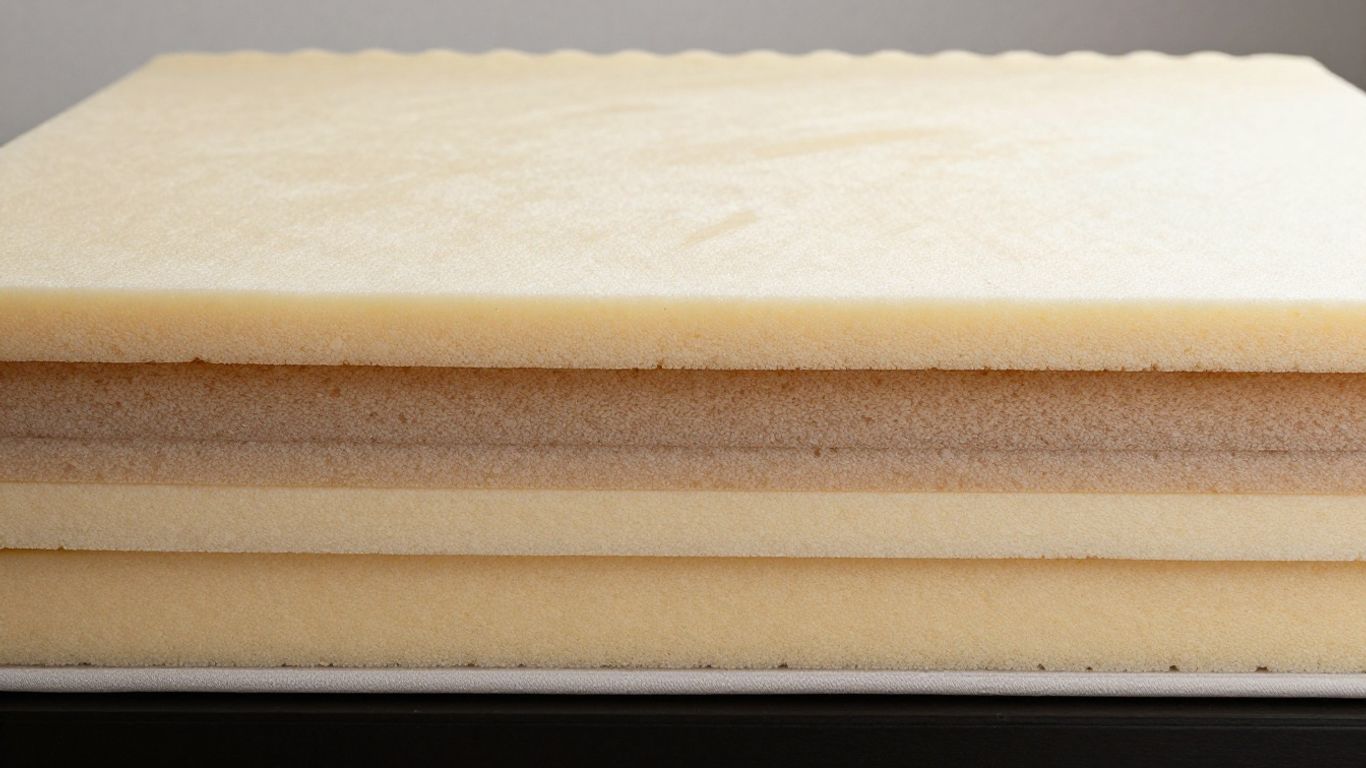
Think of a foam mattress like a layered cake. The total thickness is made up of different parts, mainly the comfort system and the support core. The comfort system is the top part, the bit closest to you, designed for softness and pressure relief. This layer can be anywhere from 1 to 4 inches thick. Softer mattresses usually have thicker comfort layers. Beneath that is the support core, which makes up a good chunk of the mattress, often half to two-thirds of its total height. This core is what keeps everything stable and prevents you from sinking too far. A thicker support core generally means a more durable mattress.
Standard Memory Foam Mattress Thickness Options
Memory foam mattresses typically fall into a few common thickness categories. You’ll often see options ranging from about 6 inches all the way up to 14 inches or more.
- 6-8 inches: These are often called low-profile mattresses. They’re usually firmer and can be a good choice for children, guest rooms, or people who prefer a lower bed profile. They might not offer enough support for heavier individuals.
- 9-10 inches: This is a pretty standard range and works well for many people, especially those of average weight. They offer a decent balance of comfort and support.
- 12-14 inches: These thicker options provide more cushioning and are often recommended for side sleepers or individuals who need extra pressure relief and support. They tend to feel plusher.
Choosing the right thickness isn’t just about personal preference; it’s about finding a mattress that properly supports your body and sleep habits. It’s a key factor in getting a good night’s sleep consistently.
When you’re looking at mattresses, remember that thickness is just one piece of the puzzle. You also need to think about the materials used and how they’re put together. A well-constructed foam mattress can provide great comfort regardless of its exact thickness, but the height does influence how that comfort is delivered and maintained over time. Generally, thicker mattresses have more material, which can contribute to their longevity, especially for heavier sleepers. However, a thinner mattress with high-quality materials might still outperform a poorly made thicker one.
How Thick Should a Foam Mattress Be For Your Body Type
So, you’re trying to figure out the right mattress thickness, and it really does come down to you and your body. It’s not just about picking a number; it’s about how that mattress will support you throughout the night. Think of it like this: a mattress needs to be thick enough to cradle your curves and support your spine, no matter your size or shape.
Recommended Thickness for Lightweight Sleepers
If you’re on the lighter side, generally under 130 pounds, you won’t compress a mattress as much. This means you don’t necessarily need a super thick mattress to feel supported. An 8 to 10-inch mattress is often a good sweet spot. It provides enough cushioning so you don’t feel like you’re sinking straight to the bottom, but it also won’t feel too firm. Plus, thinner mattresses can sometimes be a bit easier on the wallet and to move around.
Ideal Thickness for Average Weight Sleepers
Most adults fall into the average weight category, typically between 130 and 230 pounds. For this group, a mattress thickness of 10 to 12 inches usually hits the mark. This range offers a good balance – enough foam to contour to your body and relieve pressure points, but not so thick that it feels overwhelming or makes getting out of bed a chore. It’s about getting that Goldilocks level of comfort and support.
Recommended Thickness for Heavy Sleepers
Now, if you weigh over 230 pounds, you’ll likely need a thicker mattress, often 12 inches or more, with 14 inches being ideal for many. Heavier individuals sink deeper into the mattress, and a thicker profile ensures you get adequate support without ‘bottoming out’ – that uncomfortable feeling of hitting the firm base layer. More foam means better durability too, as it can handle deeper compression over time without wearing out as quickly. It’s all about making sure the mattress can handle the pressure and keep you comfortable all night long.
The thickness of your mattress plays a big role in how well you sleep. It’s not just about comfort; it’s about proper spinal alignment and preventing aches and pains. Choosing the right thickness based on your body type is a key step towards better rest.
Here’s a quick rundown:
- Under 130 lbs: 8-10 inches
- 130-230 lbs: 10-12 inches
- Over 230 lbs: 12-14+ inches
Remember, these are guidelines. Your sleeping position and personal preferences can nudge you up or down an inch within these ranges. For instance, if you’re an average-weight side sleeper, you might lean towards the higher end of the 10-12 inch range for extra cushioning. If you’re a lighter back sleeper, an 8-inch might feel just right. It’s about finding what works for your body. If you’re looking to add a bit of comfort to an existing mattress, a foam topper can help, but it won’t replace the core support needed from the mattress itself if it’s too thin.
How Sleeping Position Influences Mattress Thickness
So, you’ve thought about your weight, but what about how you actually sleep? Your go-to position on the mattress plays a pretty big role in how thick it needs to be. It’s all about making sure your spine stays happy and you don’t end up with aches and pains.
Optimal Thickness for Side Sleepers
If you’re a side sleeper, you know that feeling when your shoulder or hip digs into the mattress? Yeah, not fun. Side sleepers generally need a thicker mattress to cushion those pressure points. We’re talking about a range of about 10 to 14 inches, sometimes even more. This extra depth lets your shoulder and hip sink in just enough, keeping your spine in a nice, straight line. Without enough thickness, you might feel like you’re pressing right through to the bed frame, which is a recipe for discomfort.
Mattress Thickness for Back Sleepers
Back sleepers usually have it a bit easier. You typically need a mattress that offers good support without being too hard. A thickness of around 10 to 12 inches is often the sweet spot. This range provides enough cushioning to keep your natural spinal curve comfortable while also preventing you from sinking too deeply. It’s about finding that balance where you feel supported but not stiff.
Considerations for Stomach Sleepers
Stomach sleeping can be a bit tricky for your back. If you sleep this way, you generally want a mattress that’s on the thinner side, maybe 8 to 10 inches. Why? Because a thicker mattress can let your hips sink down too much, creating an unnatural arch in your lower back. A thinner, firmer mattress helps keep your body more level, which is better for your spine. It’s a bit of a trade-off, as stomach sleeping isn’t always recommended for spinal health, but if it’s your preferred position, thickness matters.
Here’s a quick rundown:
- Side Sleepers: Need more cushioning for pressure points. Aim for 10-14+ inches.
- Back Sleepers: Need balanced support. 10-12 inches is often ideal.
- Stomach Sleepers: Need to prevent hip sinkage. 8-10 inches is usually best.
Remember, these are general guidelines. Your personal comfort and specific mattress construction can influence what feels best for you. It’s always a good idea to check out reviews or try a mattress if you can, especially if you’re looking for proper cushioning and spinal alignment.
It’s not just about the inches, though. The type of foam and how it’s layered inside also makes a difference. A well-designed 10-inch mattress might feel more supportive than a poorly made 12-inch one. So, while thickness is a good starting point, don’t forget to look at the overall quality and construction when you’re making your choice.
Additional Factors Affecting Mattress Thickness Choice
So, we’ve talked about body type and sleeping position, but there are a few other things to chew on when you’re picking out how thick your new foam mattress should be. It’s not just about how you sleep; it’s also about how you live and what you need from your bed.
The Impact of Body Weight on Thickness Needs
Your weight is a big deal, no doubt about it. If you’re on the lighter side, you won’t sink as much into the foam, so a thinner mattress might do the trick. But if you’re heavier, you’ll need more material to keep you from feeling the base of the bed. Think of it like this:
- Under 130 lbs: An 8-10 inch mattress is usually plenty. You just don’t need as much foam to feel supported.
- 130-230 lbs: Aim for 10-12 inches. This range offers a good balance for most people.
- Over 230 lbs: You’ll likely want 12-14 inches or even more. This gives you that extra buffer to prevent ‘bottoming out’.
How Aches and Pains Influence Mattress Selection
Got some aches and pains? That can totally change what thickness works best. If you’ve got back pain, you might need a mattress that offers more support, which often means a bit more thickness. This extra material can help keep your spine aligned better. For joint pain, especially in the hips or shoulders, a thicker mattress with a good comfort layer can provide more cushioning and take the pressure off those sensitive spots. It’s all about finding that sweet spot where you feel supported but also really comfortable.
Sometimes, what feels
Making the Final Decision on Mattress Thickness
So, you’ve been reading up on all the ins and outs of mattress thickness, and now it’s time to actually pick one. It can feel a bit overwhelming with all the numbers and recommendations, right? But don’t sweat it. We’re going to break down how to land on the right thickness for you.
Balancing Thickness with Comfort Preferences
Ultimately, how a mattress feels is super personal. While charts and guides are helpful, your own comfort is king. Do you like a mattress that feels super plush and sinks a bit, or do you prefer something firmer that keeps you more on top of the surface? Think about your favorite hotel mattress or a mattress you’ve slept on before that felt just right. That feeling is what you’re aiming for. A thicker mattress often means more layers of foam, which can lead to that luxurious, cloud-like feel many people enjoy. However, if you’re someone who likes a very firm surface, a thinner mattress might actually be more comfortable for you, provided it still offers adequate support.
The Practical Minimum Thickness for Adults
For most adults, especially if you’re not dealing with specific weight or health issues, a mattress in the 10-12 inch range is usually a safe bet. This thickness offers a good mix of comfort layers and a solid support core. It’s thick enough to provide decent pressure relief and prevent you from feeling the base of your bed, but not so thick that it becomes difficult to get in and out of bed. If you’re on a tighter budget or have a lower bed frame, you might consider something closer to 8 inches, but be sure it has good quality materials to avoid feeling the foundation too quickly. A mattress that’s too thin might not last as long or provide the support you need over time.
When to Consider a Thicker Mattress for Couples
If you share your bed, a thicker mattress can be a real game-changer. Why? Well, thicker mattresses, especially those 12 inches and up, often have better motion isolation. This means when one person tosses and turns, the other is less likely to feel it. Plus, if there’s a significant weight difference between partners, a thicker mattress provides more substantial support for the heavier person, preventing them from sinking too much and ensuring both sleepers maintain good spinal alignment. It’s all about finding that sweet spot where both of you can sleep soundly without disturbing each other. A good high-density foam can really help with this, offering both comfort and durability.
Choosing the right mattress thickness isn’t just about inches; it’s about how those inches translate into support, comfort, and durability for your specific needs. Don’t be afraid to consider your personal preferences alongside the general guidelines. Your sleep quality depends on it!
Here’s a quick rundown to help you decide:
- Lightweight individuals (under 150 lbs): Often find comfort in mattresses from 6-8 inches thick. Too much thickness can feel too soft.
- Average weight individuals (150-230 lbs): Typically do well with 9-12 inch mattresses.
- Heavier individuals (over 230 lbs): Usually need 12 inches or more for adequate support and to prevent bottoming out.
- Side sleepers: Generally benefit from thicker mattresses (12+ inches) for extra cushioning.
- Back sleepers: Often prefer medium thickness (9-11 inches) for spinal alignment.
- Stomach sleepers: Might do best with medium thickness (9-11 inches) for firm support.
Remember to also think about your bed frame height to make sure the overall bed height is comfortable for you.
So, How Thick Should Your Mattress Be?
Alright, so we’ve talked a lot about mattress thickness, and it really boils down to you. It’s not just about picking the thickest one you can find or the cheapest. Your body weight, how you sleep at night – whether you’re a side, back, or stomach sleeper – all these things play a part. Lighter folks might be fine with something around 8 to 10 inches, while heavier individuals or those who sleep on their side might want to look at 12 inches or even more for that extra cushioning and support. Don’t forget about your bed frame height either, you don’t want to be climbing into bed like it’s Mount Everest! Ultimately, finding the right thickness is about getting that sweet spot where you feel supported but also comfortable, so you can actually get some good sleep. It’s worth taking a moment to figure out what works best for your specific needs.
Frequently Asked Questions
What’s the minimum thickness for a comfy foam mattress?
For adults using it every day, about 8 inches is usually the smallest you’d want. Anything less might make you feel like you’re pressing right down to the hard base. If you’re trying to save money, it’s better to get an 8 to 10-inch mattress with good quality foam than a thinner one that just looks good.
Can I just use a mattress topper instead of a thicker mattress?
If you’re feeling the mattress base underneath you, a topper won’t really help. Toppers add softness on top, but they can’t fix a mattress that doesn’t have enough support deep down. You’ll likely just sink through both the topper and the mattress. Toppers are only good for changing the feel of a mattress that already has enough support.
How much does thickness add to the price of a foam mattress?
Adding more inches can increase the price by $50 to $150 for each inch, depending on how good the foam is. However, a really good 10-inch mattress might cost more than a cheaper 14-inch one. It’s smart to look at the foam’s density, not just how thick it is or the price tag.
Should couples get a thicker mattress than someone sleeping alone?
Yes, especially if there’s a big difference in how much each person weighs. For couples, a 12-inch mattress is usually a good starting point. It helps support both people well and does a better job of reducing movement transfer. Thicker mattresses can handle different body weights and sleeping styles better.
Does a thicker mattress mean it will last longer?
Generally, thicker mattresses, especially those over 10 inches, tend to be more durable. The extra layers of foam help the mattress keep its shape and prevent it from sagging over time. Thinner mattresses might wear out more quickly, particularly if someone heavier sleeps on them regularly.
How does my sleeping position affect the mattress thickness I need?
Your sleeping position really matters! If you sleep on your side, a thicker mattress (around 12-14 inches) is great because it gives extra cushioning for your shoulders and hips, which take more pressure. If you sleep on your back or stomach, a mattress that’s 10-12 inches thick usually provides enough support to keep your spine aligned and prevent sinking too much.