
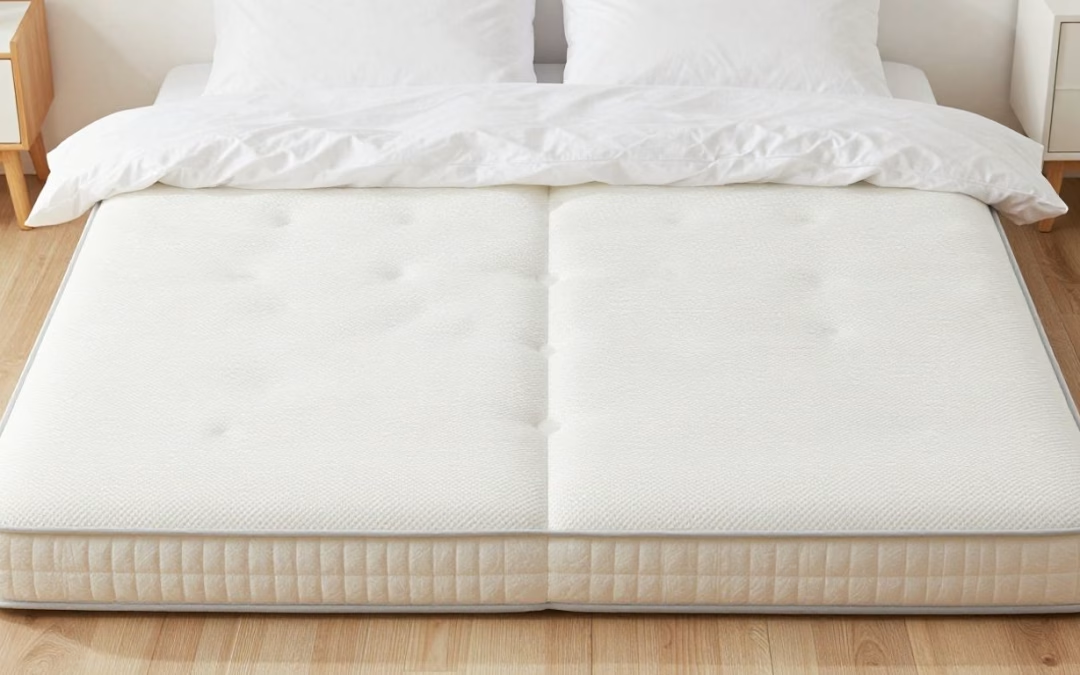
So, you’re in the market for a new mattress and you’ve heard about latex and memory foam. They sound pretty similar, right? Well, not exactly. Deciding between a latex vs memory foam mattress can feel like a big deal, because, let’s be honest, sleep is important. We spend a lot of time in bed, so getting it right matters. This article breaks down what makes each of these popular mattress types tick, so you can figure out which one will give you the best Zzz’s.
Key Takeaways
- Latex mattresses tend to feel more bouncy and responsive, like you’re sleeping on top of the mattress, while memory foam offers a sinking, contouring feel that hugs your body.
- Memory foam is generally better at isolating motion, meaning your partner’s tossing and turning is less likely to wake you up.
- Latex is usually more breathable and sleeps cooler than memory foam, which can sometimes trap heat.
- Latex mattresses are often more durable and can last longer, making them a potentially better long-term investment, though they can be pricier upfront.
- Your personal preference for how a mattress feels – whether you like to sink in or feel supported on top – is the biggest factor in choosing between latex vs memory foam.
Understanding The Core Differences: Latex vs Memory Foam Mattress
Material Composition and Origin
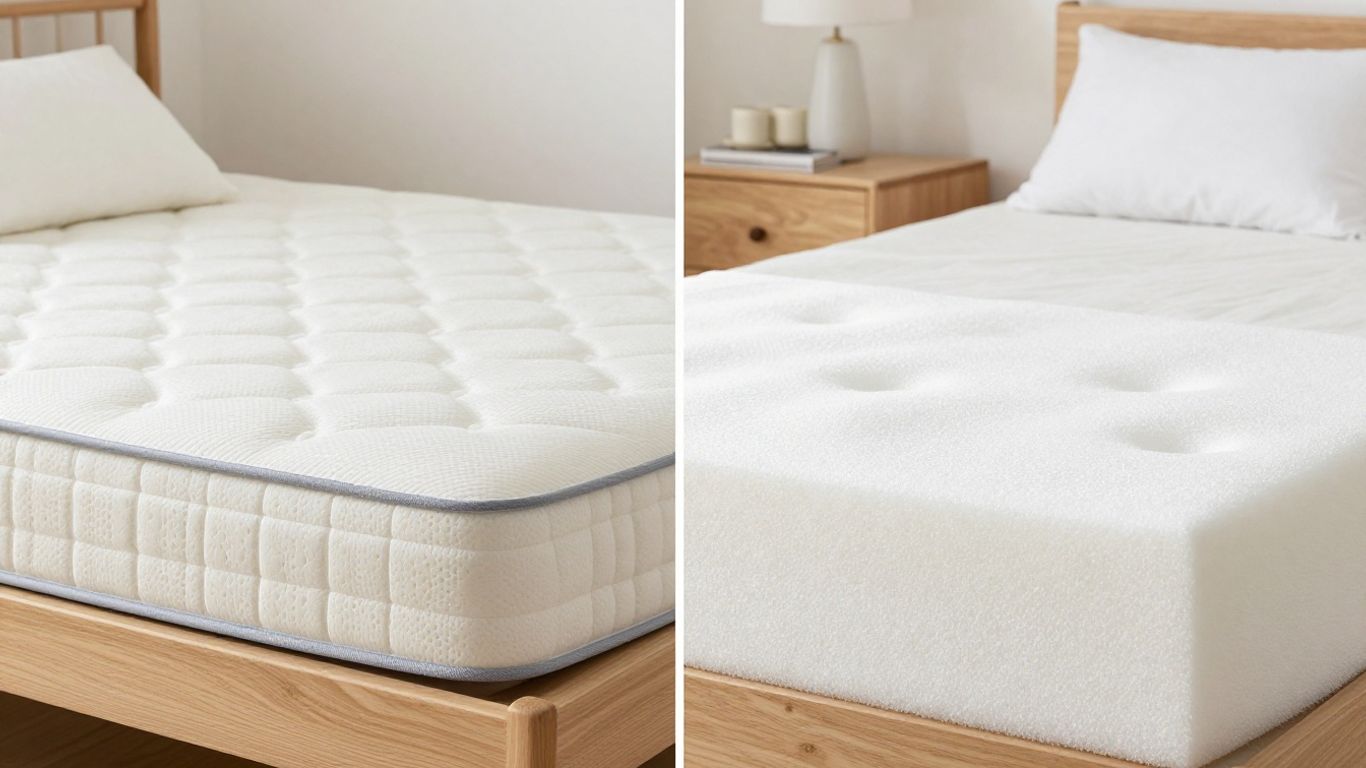
So, what exactly are these mattresses made of? It’s a pretty big difference. Latex mattresses are typically crafted from the sap of rubber trees, which gives them a natural, springy quality. You can find both natural latex and synthetic versions, but the natural kind is often seen as more eco-friendly. Memory foam, on the other hand, is a bit more of a science experiment. It’s made from polyurethane, a synthetic material, with various chemicals added to give it that signature slow-moving, body-contouring feel. This difference in origin can impact everything from breathability to how the mattress feels over time.
Feel and Responsiveness
This is where you’ll notice the biggest change when you lie down. Memory foam is famous for its "hug." When you get on it, it slowly molds to your body’s shape, kind of like sinking into a cloud. It’s great for cradling pressure points, but some people feel like they get a little stuck. Latex, however, is much more responsive. It has a buoyant, bouncy feel. Instead of sinking way down, you feel more like you’re resting on top of it. It springs back quickly when you move, which is a big plus if you toss and turn a lot.
Here’s a quick rundown:
- Memory Foam: Slow response, body-contouring, "sink-in" feel.
- Latex: Fast response, buoyant, "on-top" feel, often a bit bouncy.
Support Characteristics
Both types of mattresses can offer good support, but they do it differently. Memory foam excels at distributing your weight evenly and conforming to your unique curves. This can be really helpful if you have specific aches and pains, as it really cradles those areas. Latex provides a more uniform, lifting support. Because it doesn’t let you sink in as much, it can feel firmer and more stable, which some people prefer, especially if they need extra back support or don’t like the feeling of being enveloped.
The way a mattress supports you is directly tied to how it’s made and what it’s made of. It’s not just about firmness; it’s about how the material reacts to your body’s weight and shape.
When you’re looking for a new mattress, understanding these core differences is the first step to finding the best mattress for your sleep. It sets the stage for how each will perform in other areas, like pressure relief and temperature regulation.
Key Performance Factors For Your Sleep
Pressure Relief Capabilities
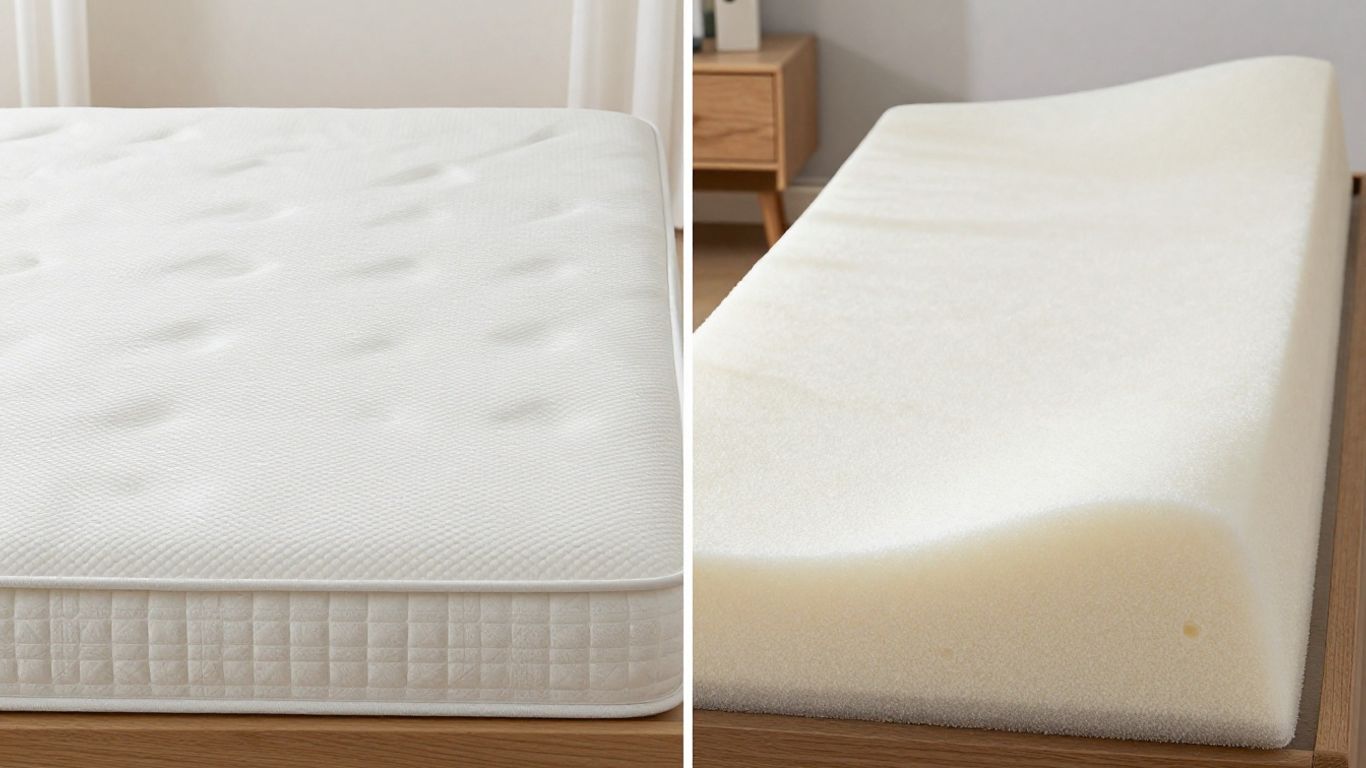
When it comes to pressure relief, memory foam often takes the lead. It’s designed to contour closely to your body, creating a sort of "hug" that distributes your weight evenly. This can be a real game-changer if you experience aches and pains, especially in your hips, shoulders, or back. It essentially cradles you, reducing the pressure points that can lead to discomfort. Latex, while still offering good support, tends to be more responsive and less "sinking." This means it pushes back a bit more, which some people prefer for ease of movement, but it might not offer the same deep pressure relief as memory foam. If you’re looking for that feeling of being enveloped and having pressure points melted away, memory foam is usually the way to go.
Motion Isolation Performance
If you share your bed, motion isolation is probably a big deal. Memory foam is generally excellent at this. Because it absorbs movement rather than bouncing it back, you’re less likely to feel your partner tossing and turning. This can lead to significantly less interrupted sleep. Latex, on the other hand, is naturally bouncier and more responsive. While it’s not as bad as an old-school innerspring mattress, you will likely feel more movement transfer compared to memory foam. So, for couples where one person is a light sleeper or moves a lot, memory foam usually wins in this category. It’s a big reason why many people opt for a memory foam mattress.
Temperature Regulation
This is where things get interesting, and the type of foam really matters. Traditional memory foam has a reputation for trapping heat. It’s dense and can feel quite warm, which might be nice in winter but uncomfortable in summer. However, manufacturers have gotten smarter. Many memory foams now include cooling gels, open-cell structures, or other technologies to improve airflow and dissipate heat. Latex, especially natural latex, is inherently more breathable. Its open-cell structure allows air to circulate more freely, making it a cooler option overall. If you tend to sleep hot, a latex mattress or a specially designed cooling memory foam mattress would be your best bet.
Both latex and memory foam have evolved significantly. While older versions might have had more pronounced drawbacks, newer models often incorporate advanced features to address common concerns like heat retention and responsiveness. It’s worth looking into the specific technologies used by different brands.
Durability, Health, and Practical Considerations
When you’re picking out a new mattress, it’s not just about how it feels the first night. You’ve got to think about how long it’ll last, if it’s good for your health, and just the general hassle factor of owning one. Let’s break down how latex and memory foam stack up in these areas.
Longevity and Investment Value
Mattresses aren’t exactly cheap, so you want one that’s going to hold up. Generally speaking, latex mattresses tend to be the champions of durability. Many can last well over a decade, sometimes even 15 years or more, especially if they’re made from natural latex. This long lifespan makes them a solid investment over time. Memory foam mattresses are no slouches either, often lasting between 7 to 10 years, with some higher-quality ones pushing 12 years. The density of the foam plays a big role here; denser foams usually mean a longer life. So, while latex might cost more upfront, its extended lifespan can make it a more economical choice in the long run.
Hypoallergenic Properties
If you’ve got allergies or asthma, this is a big one. Both types of mattresses can be suitable for allergy sufferers, but there are nuances. Natural latex is inherently resistant to dust mites, mold, and mildew, which is great news for people with respiratory issues. It’s also naturally antimicrobial. However, if you have a latex allergy, you’ll obviously want to steer clear of natural latex. Synthetic latex is an option, but it’s worth noting that some people can still react. Memory foam, on the other hand, can sometimes attract dust mites and other allergens, though many are now made with hypoallergenic materials. Using a mattress protector is a good idea for either type to create a barrier against common allergens.
Ease of Movement and Weight
Think about how easy it is to actually move around on the mattress, and also how heavy the mattress itself is. Latex mattresses are known for their responsiveness. They spring back quickly when you move, making it easier to shift positions or get out of bed. This also means they tend to be a bit lighter than comparable memory foam mattresses, which can make them easier to handle when moving or changing sheets. Memory foam, because it contours so closely to your body, can sometimes make you feel a bit "stuck" if you’re a very active sleeper. They can also be quite heavy, which is something to consider if you anticipate needing to move the mattress often. A heavier mattress can sometimes mean better motion isolation performance, though, which is a plus for couples.
When considering the practicalities, remember that mattress maintenance is key. Using a good quality mattress protector can significantly extend the life of your mattress, regardless of whether it’s latex or memory foam. It shields against spills, sweat, and allergens, keeping the internal materials in better condition for longer. This simple step can save you money and hassle down the road.
Here’s a quick look at typical lifespans:
- Latex Mattresses: 10-15+ years
- Memory Foam Mattresses: 7-12 years
While these are general guidelines, the actual durability depends heavily on the quality of the materials used and how well you care for the mattress.
Navigating Your Purchase Decision
So, you’ve read all about the nitty-gritty differences between latex and memory foam mattresses. Now comes the part where you actually have to pick one. It can feel a bit overwhelming, right? Don’t sweat it. We’re going to break down the final pieces of the puzzle to help you make a choice that feels right for you and your wallet.
Price Points and Affordability
Let’s talk money. Generally speaking, latex mattresses tend to be pricier upfront than memory foam ones. This is often due to the natural materials and more complex manufacturing processes involved in creating latex. Memory foam, on the other hand, can be more budget-friendly, especially if you’re looking at synthetic varieties. However, it’s not always a simple comparison. High-end memory foam can get pretty expensive, and there are some more affordable natural latex options out there if you shop around. Think about it as an investment: a more expensive latex mattress might last longer, potentially saving you money in the long run compared to replacing a cheaper memory foam mattress sooner.
| Mattress Type | Typical Price Range (Queen) | Lifespan Expectancy |
|---|---|---|
| Latex | $1,500 – $3,000+ | 15-20+ years |
| Memory Foam | $800 – $2,000+ | 7-10 years |
Availability and Shopping Options
When it comes to actually buying a mattress, you’ve got options. Memory foam mattresses are everywhere. You’ll find them in pretty much every mattress store, department store, and online retailer. This wide availability means you can often try them out in person before buying, which is a big plus for many people. Latex mattresses, while becoming more common, might be a bit harder to find in physical stores, especially if you’re looking for a specific type, like all-natural latex. However, the online mattress market has exploded, and you can find a huge variety of latex options available to order directly to your home. Shopping online can sometimes get you better deals and a wider selection than you might find locally. Many online retailers offer a greater variety of products at better prices compared to physical stores. Comparing mattress prices and features is also way easier when you’re browsing from your couch.
Personal Preferences and Sleep Needs
Ultimately, the best mattress for you comes down to what you like and what your body needs. Do you tend to sleep hot? You might lean towards latex for its breathability. Do you share your bed and wake up easily when your partner moves? Memory foam’s motion isolation could be a game-changer. If you like that feeling of sinking into your bed, memory foam is probably your jam. If you prefer a more buoyant, "on top of the mattress" feel, latex might be more your speed. It’s also worth considering if you have allergies, as natural latex is generally more hypoallergenic than some synthetic foams.
Don’t forget to think about how you sleep. Side sleepers often need more pressure relief, which memory foam excels at. Stomach and back sleepers might prefer the firmer, more supportive feel of latex to keep their spine aligned. But remember, these are general guidelines, and personal comfort is king.
Consider what’s most important for your sleep quality. Is it pressure relief, temperature regulation, or ease of movement? Your priorities will guide you to the right material. For example, if you find yourself tossing and turning a lot, the responsiveness of latex might help you move more freely during the night.
So, Which Mattress Wins?
Alright, so we’ve talked about latex and memory foam. Honestly, there’s no single ‘winner’ here. It really boils down to what you need. If you want that feeling of being hugged and want to save a bit of cash, memory foam is probably your jam. But if you’re looking for something that lasts ages, feels a bit bouncier, and sleeps cooler, latex might be the way to go. Think about how you sleep, if you get hot at night, and how much you want to spend. Trying them out if you can is always a good idea. Whichever you pick, getting a good night’s sleep is the main goal, right?
Frequently Asked Questions
What’s the main difference between latex and memory foam mattresses?
Latex mattresses are usually made from rubber tree sap and feel more bouncy and supportive, like you’re sleeping on top of the mattress. Memory foam mattresses are made from special foam that molds to your body, giving you a feeling of sinking in and being cradled. They’re great for relieving pressure points.
Which type of mattress is better for sleeping cool?
Latex mattresses are generally more breathable and sleep cooler because the material allows air to flow through it more easily. Memory foam can sometimes trap body heat, though many newer memory foam mattresses have cooling features like gel infusions to help with this.
Is one type of mattress better for relieving pain or pressure?
Memory foam is often considered better for pressure relief because it hugs your body’s curves, reducing stress on points like your hips and shoulders. Latex offers good support and can relieve pressure, but it doesn’t contour quite as closely as memory foam.
Which mattress is more durable and lasts longer?
Latex mattresses tend to be more durable and can last much longer, often up to 20 years, making them a good long-term investment. Memory foam mattresses typically have a shorter lifespan, usually around 7 to 10 years.
Are latex mattresses good for people with allergies?
Yes, natural latex mattresses are naturally resistant to dust mites, mold, and mildew, making them a good choice for people with allergies or asthma. However, if you have a latex allergy, this type of mattress would not be suitable.
Which mattress is usually more affordable?
Memory foam mattresses are generally less expensive than latex mattresses. This is partly because memory foam is a synthetic material and often easier to produce in large quantities. Latex, especially natural latex, can be pricier due to its natural origin and manufacturing process.