
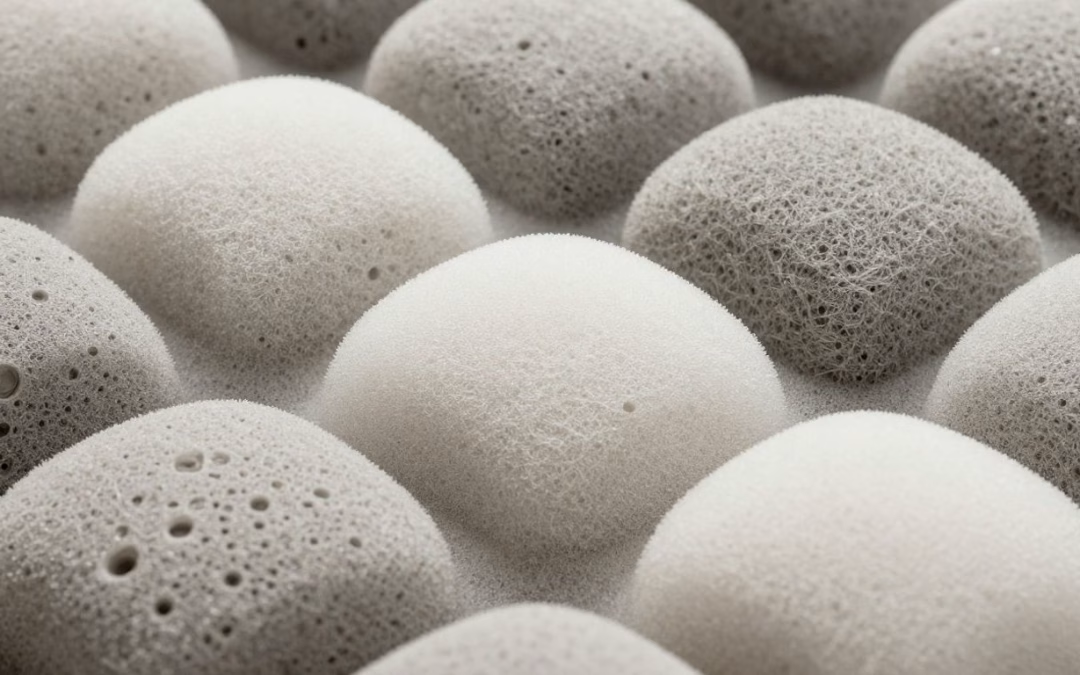
Choosing the best foam for outdoor cushions is key to their comfort and how long they last. Here are the main points to remember when making your selection:
Key Takeaways
- Foam type matters for comfort, durability, and how well it handles moisture.
- Dry Fast foam is great for cushions that stay outside all the time because it lets water drain through.
- Regular foam can work for covered areas, but you need to protect it from getting wet.
- Foam density affects how firm the cushion feels and how long it will last.
- Consider using waterproof barriers and breathable fabrics to help your cushions last longer.
Understanding Outdoor Cushion Foam Essentials
When you’re thinking about sprucing up your patio or deck, the cushions are a big part of the picture, right? But what’s inside those cushions really matters. It’s not just about the fabric; the foam is the backbone. Picking the right kind can make a huge difference in how comfy your seating is and how long it lasts, especially when it’s out in the weather.
Why Foam Type Matters for Outdoor Cushions
Outdoor cushions often get used a bit differently than indoor ones. They might not get sat on every single day, but they definitely face the elements. This means you need foam that can handle moisture and resist things like mold and mildew. If your cushions are going to be out in the rain or just dealing with humid air, the foam inside needs to be able to deal with that.
Key Factors in Foam Selection
So, what should you be looking for? It really comes down to a few main things:
- Moisture Management: How well does the foam handle getting wet? Does it dry out quickly, or does it hold onto water?
- Durability: Will it hold its shape over time, or will it flatten out after a season or two?
- Resistance: Does it have properties that fight off mold, mildew, and other yucky stuff that likes damp environments?
- Comfort: This is a big one! You want foam that feels good to sit on, whether that’s firm and supportive or a bit softer.
The Role of Density and Firmness
Density and firmness are two terms you’ll hear a lot when talking about foam. Density is usually measured in pounds per cubic foot (lbs./cu. ft.). Higher density foam generally means it’s more durable and will last longer. Firmness is about how the foam feels when you press into it. You can have a high-density foam that’s still pretty soft, or a lower-density foam that feels quite firm. For outdoor cushions, you often want a good balance. A foam that’s too soft might not offer enough support, while one that’s too firm might not be very comfortable for lounging. For example, a foam with a density of around 1.8 lbs./cu. ft. is often a good starting point for outdoor use, offering a decent mix of support and longevity. You can find more details on foam products and their varied uses.
Choosing the right foam is like picking the right foundation for your house. It needs to be strong, reliable, and suited to the environment it’s in. Get it wrong, and you’ll be dealing with problems down the line.
Exploring Different Foam Options
When you’re looking to replace or upgrade the foam in your outdoor cushions, you’ve got a few main players to consider. It’s not just about picking something soft; you really need to think about how it’s going to hold up against the weather and how long you want it to last. Let’s break down some of the popular choices you’ll find.
CushionRite Antimicrobial Foam
This is a pretty standard, budget-friendly polyurethane foam. It’s treated to fight off mold and mildew, which is a big plus for outdoor stuff. It’s a decent choice if your cushions are mostly under a covered patio or you tend to store them away when not in use. The downside? It’s like a sponge. If it gets soaked, it takes its sweet time drying out, and that trapped moisture can eventually lead to funky smells or even more mold if you’re not careful. To give it a fighting chance, wrapping it in a waterproof barrier before putting it in the cover is a smart move.
CushionRite Dry Fast Antimicrobial Foam
Now, this is where things get more interesting for cushions that are going to live outside full-time. This foam has an open-cell structure, which basically means it’s designed to let air and water pass through easily. So, after a rain shower, it dries out much faster than the regular antimicrobial foam. It also gets that same mold and mildew resistance. It’s a bit pricier, sure, but for cushions that are constantly exposed to the elements, the performance in wet conditions is hard to beat. Think poolside furniture or seating that just stays out on the deck year-round.
Premium and High Resilience Foams
These are more like the high-end options, often used for indoor furniture where durability and a plush feel are top priorities. They come in higher densities, meaning they’re built to last a long time and keep their shape, even with heavy use. We’re talking foams that can last a decade or even two! However, a big heads-up: these foams usually aren’t treated to be antimicrobial, and they definitely absorb water. So, if you’re thinking about using these outside, you absolutely must protect them. Waterproof wraps and covers are non-negotiable here. They’re best suited for covered areas where they won’t get directly rained on.
When choosing foam, always consider the environment your cushions will be in. A foam that works great for a covered porch might be a disaster if left out in the open rain.
Here’s a quick look at how they stack up:
- CushionRite Antimicrobial: Good for covered spots, dries slowly.
- CushionRite Dry Fast: Excellent for all-weather use, dries quickly.
- Premium/HR Foams: Long-lasting, luxurious feel, but need serious protection from moisture.
Specialized Foams for Specific Needs
Sometimes, standard foam just won’t cut it for your outdoor setup. You might need something that can handle a bit more abuse from the weather or has a specific job to do. Let’s look at a few options that go beyond the basics.
Dryfast Foam for Quick Drying
This is the go-to if your cushions are going to get rained on regularly or if you just hate waiting for things to dry. Dryfast foam has an open-cell structure, which sounds fancy, but it basically means water can pass through it really easily. Think of it like a really good sponge that lets water drain out instead of soaking it all up. This makes it ideal for poolside furniture or any spot that gets a lot of weather exposure. It also usually comes with some antimicrobial treatment to keep mold and mildew at bay, which is a big plus when things stay damp.
Closed-Cell Foam for Buoyancy
Now, closed-cell foam is a different beast entirely. Unlike its open-cell cousin, water can’t really get into closed-cell foam. This makes it super buoyant. If you’re thinking about making floating cushions for a pool or need seats for a boat that might get splashed, this is your material. It’s not going to absorb water and get heavy. You can even pair it with other foams for added comfort, but you’ll want to make sure there are holes for drainage so water doesn’t get trapped between the layers. It’s a bit more specialized, but for certain applications, it’s the only real choice.
Conventional Polyurethane Foam on a Budget
If you’re trying to keep costs down, regular polyurethane foam can work for outdoor cushions, but you have to be smart about it. This type of foam is more like a traditional sponge – it will soak up water and dry slowly. So, if you go this route, you absolutely need to protect it. Using a good waterproof cover is a must, and make sure that cover has plenty of vent holes so air can get in and moisture can get out. It’s a budget-friendly option, but it requires more effort to keep it in good shape. You can find a variety of CushionRite foam options that might fit your needs, depending on how much protection you can offer.
When choosing foam for outdoor use, always consider how much moisture it will encounter. Even the best foam can degrade if it’s constantly wet and unable to dry properly. Protection and proper drainage are key, no matter what type of foam you select.
Maximizing Foam Longevity and Performance
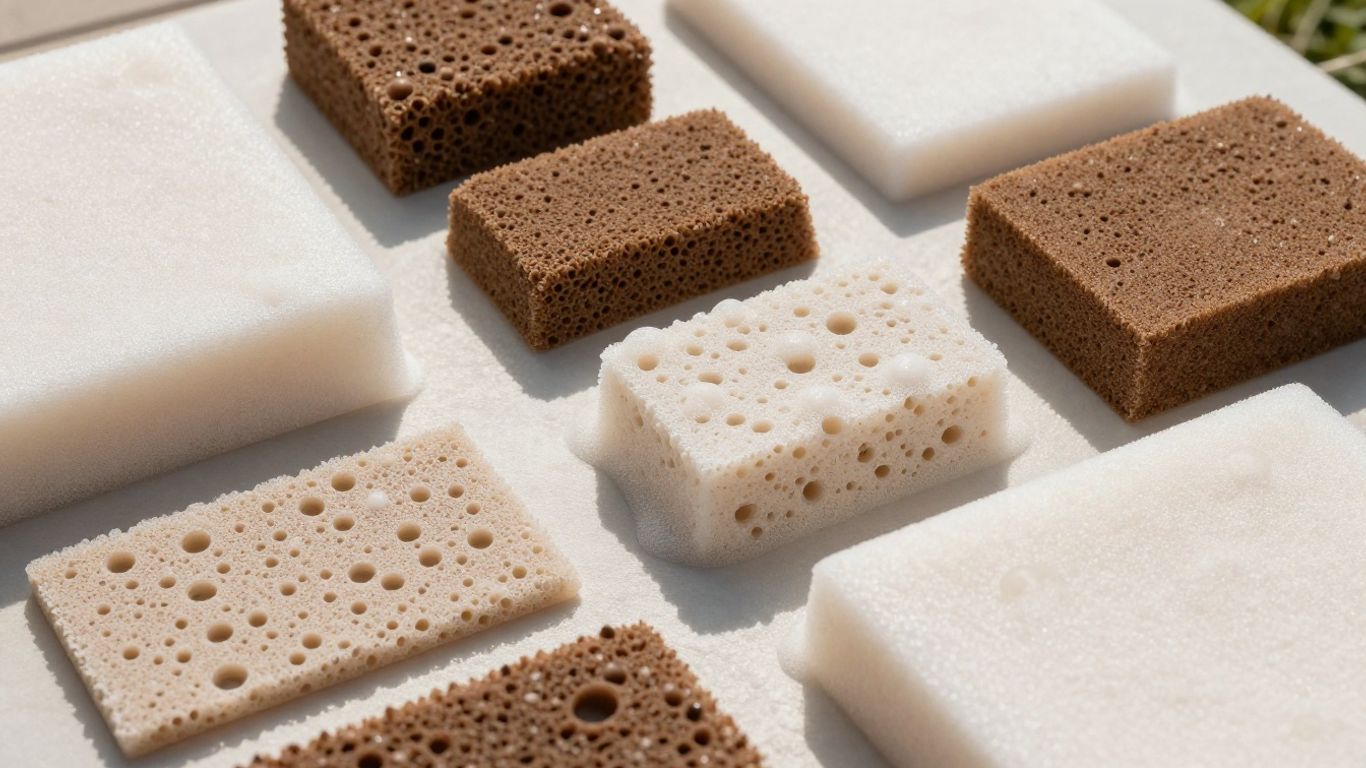
So, you’ve picked out the perfect foam for your outdoor cushions. Awesome! But how do you keep them looking and feeling great for as long as possible? It’s not just about buying the right stuff; it’s also about how you treat it. Think of it like taking care of a good pair of shoes – a little effort goes a long way.
Protecting Foam from Moisture
Moisture is the enemy of outdoor cushion foam. Even the best foams can get moldy or break down if they stay wet for too long. That’s why managing water is super important. If your cushions aren’t made of that super-fast drying foam, you might want to think about giving them a little extra help.
- Consider a waterproof wrap: Before stuffing the foam into its cover, wrapping it in a material like a "waterproof barrier" can make a big difference. This adds an extra layer of defense against spills and unexpected rain.
- Store them properly: When the season ends, or if you know a big storm is coming, tucking your cushions away in a dry spot is a smart move. A deck box or even a garage can work wonders.
- Tip them after rain: If you can, after a good soaking, try to prop your cushions up so water can drain out. Even just leaning them against something at an angle can help.
Even with the best intentions, sometimes cushions get left out in the rain. The goal is to minimize how long they stay wet and give them chances to dry out completely between soakings.
The Importance of Breathable Fabrics
When you’re choosing covers for your cushions, the fabric matters more than you might think. You want something that looks good and feels nice, sure, but it also needs to let air move. Trapped air can hold moisture, and that’s no good for the foam inside. Think about fabrics that are designed for the outdoors – they usually have a weave that allows for some airflow. This helps the cushion dry out faster if it gets damp. It’s like giving your cushions a chance to breathe, which is pretty key for keeping them fresh and preventing that musty smell. For really durable options, check out some of the high-density foam designed for longevity.
Using Waterproof Barriers
Sometimes, even with a good cover fabric, you might need an extra line of defense. This is where waterproof barriers come in. These aren’t necessarily the cushion cover itself, but an additional layer that goes between the foam and the cover. They’re designed to stop water from getting to the foam in the first place. It’s a bit like wearing a raincoat under your jacket when it’s really coming down. While some foams are naturally more resistant to water, adding a barrier can extend the life of almost any foam, especially if you’re using a more budget-friendly polyurethane foam that might absorb more moisture. It’s an extra step, but for cushions that get a lot of use or are in areas that see a lot of weather, it’s often worth the effort.
Choosing the Best Foam for Your Outdoor Space
So, you’ve got your patio furniture all picked out, looking sharp and ready for some serious lounging. But wait, what about the cushions? The foam inside is what makes or breaks that comfy feel, and for outdoor use, it’s got to handle more than just your backside. It needs to deal with sun, rain, and maybe even the occasional spilled drink. Picking the right stuff from the get-go means fewer headaches down the road.
Foam for Covered Patios
If your patio has a roof or a nice overhang, you’ve got a bit more flexibility. You don’t need the absolute fastest-drying foam, but you still want something that can handle a bit of humidity. A good quality antimicrobial foam is often a solid choice here. It’s usually a bit more budget-friendly than the super-specialized stuff and will resist mold and mildew, which is always a win. Just remember, even under cover, things can get damp, so a foam that doesn’t soak up water like a sponge is still a good idea. For these spots, you might consider a foam with a density around 1.8 lbs. per cubic foot. It offers a decent balance of comfort and support without being too stiff.
Even with a covered patio, it’s wise to think about moisture. Condensation can form, and wind can blow rain sideways. Protecting your foam is always a smart move.
Foam for All-Weather Exposure
Now, if your cushions are going to be out in the elements, rain or shine, you need to step up your game. This is where "Dry Fast" foam really shines. Its open-cell structure lets water drain right through, and air circulate, so it dries out much quicker after a downpour. This significantly cuts down on the chance of mold and mildew taking hold. While it might cost a little more upfront, the longevity and reduced maintenance are usually worth it. Look for densities in the 1.8 to 2.2 lbs. per cubic foot range for this type of foam. It’s designed to handle being wet and dry repeatedly. You can find some great options for quick-drying foam inserts that are perfect for this situation.
Here’s a quick rundown for exposed areas:
- Dry Fast Foam: The go-to for a reason. Dries quickly, resists mold.
- Closed-Cell Foam: While not typically used as the main cushion fill, it’s great for buoyancy and can be used in marine applications or as a base layer if you need extra support and water resistance.
- Breathable Fabric Covers: Absolutely non-negotiable. These let the foam do its job and dry out properly.
Foam for High-Use Areas
For seating areas that get a lot of action – think outdoor dining chairs that are used daily or a family room-style sectional on the porch – you need foam that can take a beating and keep its shape. Premium or High Resilience (HR) foams are your best bet here. These are often the same types of dense, durable foams used for indoor furniture, designed to last for many years. They offer superior comfort and support that doesn’t break down quickly. However, these types of foams are usually not antimicrobial and will absorb moisture. This means they must be protected with waterproof barriers and moisture-resistant covers. They are best suited for covered areas where you can control the moisture exposure. For example, a high-density foam with a density of 2.8 lbs. per cubic foot can last a decade or more with proper care. Finding the right foam is a bit like choosing a mattress; it’s about what feels right and lasts.
Foam Alternatives and Revitalization
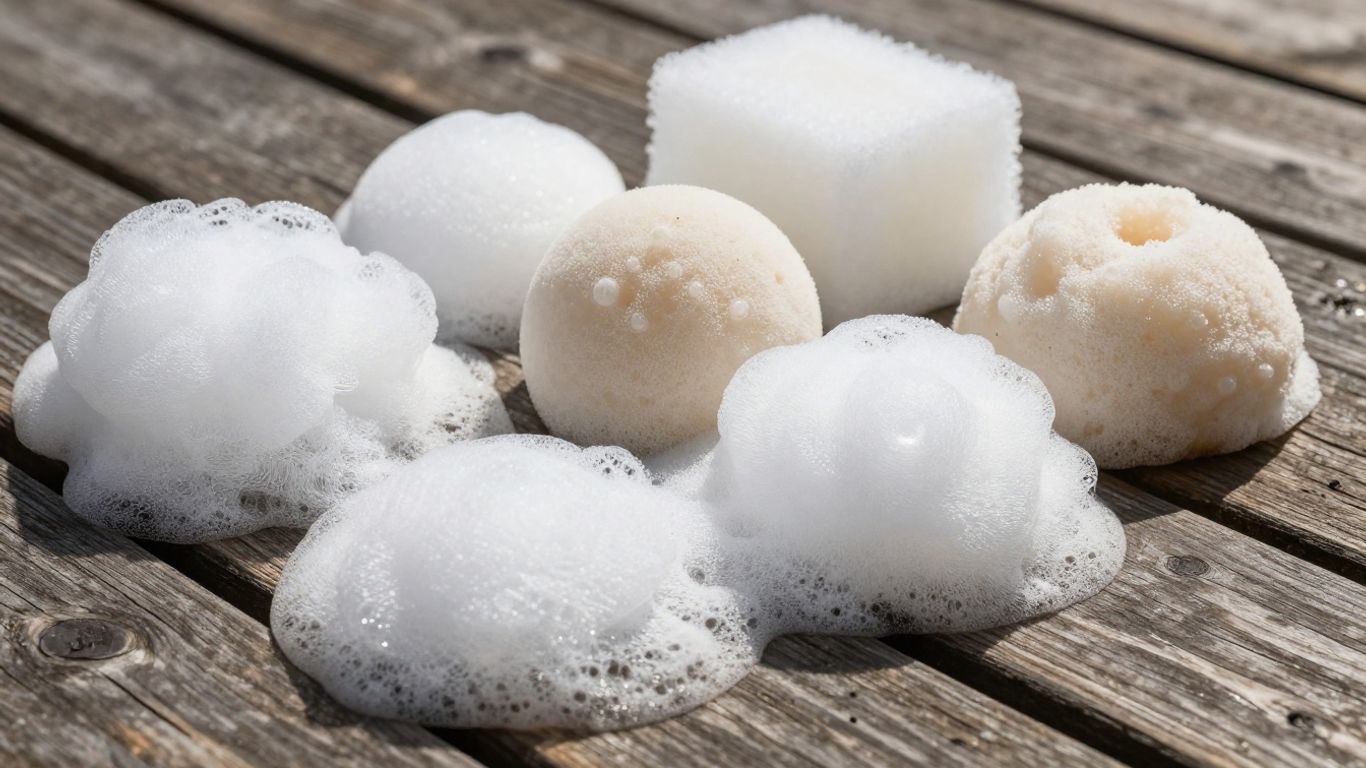
Sometimes, your outdoor cushions don’t need a complete overhaul. Maybe the fabric is still in good shape, but the inside has gone flat or lumpy. That’s where foam alternatives and revitalization come in handy. It’s a way to give your existing cushions a new lease on life without buying entirely new ones.
Scrap Polyester for Cushion Refresh
If your cushions have lost their plumpness but the covers are still good, consider using scrap polyester. This material is often made from recycled polyester fibers and can be a really economical way to refill sagging cushions or chair backs. You can pull it apart to adjust the density and fill the cushion to your desired level of firmness. It’s a bit like fluffing up a pillow, but on a larger scale. This is a great option for adding some extra loft to cushions that have compressed over time. It’s not as structured as foam, but it can make a big difference in comfort and appearance.
Fiber Fill Inserts for Softer Cushions
For those who prefer a softer, more sink-in feel, fiber fill inserts are a good choice. Unlike the firmer support of foam, fiber fill offers a plush, cloud-like experience. It’s often used in decorative pillows or for cushions where extreme support isn’t the main goal. When choosing fiber fill, look for options that are treated for outdoor use to help resist moisture and mildew. It’s a simple way to change the feel of your outdoor seating without replacing the entire cushion.
When thinking about revitalizing cushions, remember these points:
- Assess the Damage: Check if it’s just the insert that’s the problem, or if the fabric is also worn or damaged.
- Consider the Feel: Do you want a firmer, more supportive cushion, or a softer, more relaxed one?
- Factor in Moisture: Even with revitalized inserts, breathable cushion covers are still important for preventing mold and mildew.
Revitalizing cushions can be a cost-effective solution, especially if the outer fabric is still in good condition. It’s a practical approach to extending the life of your outdoor furniture and maintaining comfort.
If you’re looking to replace inserts entirely, you might want to explore custom-sized inserts that can be made to your exact dimensions, ensuring a perfect fit for any cushion cover. This is especially helpful for oddly shaped or oversized cushions. You can often choose from various fill materials, including different types of foam and fiber fill, to get the exact comfort and support you’re after. For example, if you need a new insert for a poolside lounger, a dry fast foam insert might be the best bet for quick drying after splashes.
Conclusion
Picking the right foam for your outdoor cushions really does make a difference. Whether you need something that dries super fast for an open patio or a more durable option for a covered porch, there’s a foam out there for you. Think about how you use your space and what kind of weather your cushions will face. With the right foam, your outdoor seating will stay comfy and look good for a long time.
Frequently Asked Questions
What’s the main difference between regular foam and Dry Fast foam?
Regular foam is like a sponge; it soaks up water and takes a while to dry. Dry Fast foam has tiny holes that let water pass right through, so it dries much quicker. This is super helpful if your cushions might get rained on.
Does foam density really matter for outdoor cushions?
Yes, it does! Think of density like how packed together the foam material is. Higher density foam is usually firmer and lasts longer, like a good quality mattress. Lower density foam might be softer but can break down faster, especially with lots of use.
Can I use regular foam if my patio is covered?
You can, but you have to be careful. Even covered patios can get damp from humidity or splashes. It’s a good idea to wrap regular foam in a waterproof layer before putting it in the cushion cover to keep moisture out.
How do I keep my outdoor cushions from getting moldy?
Look for foam that’s treated to resist mold and mildew, like antimicrobial foam. Also, picking fabrics that let air move and dry quickly helps a lot. And if your foam does get wet, try to dry it out as soon as possible.
What if my cushions are just a bit flat and sad?
You don’t always need new foam! Sometimes, you can just add some extra filling, like scrap polyester or fiber fill, to plump them back up. It’s a cheaper way to give your old cushions a new life.
Is closed-cell foam good for outdoor cushions?
Closed-cell foam is best known for being waterproof and floating, like on a boat. While it won’t soak up water, it’s usually very firm and might not be the most comfortable for regular seating unless you combine it with softer foam.