
When it comes to keeping your generator safe and sound, the right cover makes all the difference. Here are the main things to remember when you’re shopping around.
Key Takeaways
- There are two main types of covers: running covers for when the generator is on, and storage covers for when it’s off. Don’t mix them up!
- Materials matter a lot. Look for tough stuff like vinyl, polyester, or nylon that can handle rain, sun, and wind.
- Good ventilation is super important, especially for running covers. It stops the generator from getting too hot and prevents bad fumes from building up.
- Make sure the cover fits your generator well. It should be big enough to let air flow but snug enough to stay put.
- Consider extra features like easy access for refueling or strong frames that won’t rust.
Understanding Generator Cover Types
When you’re looking to protect your generator, it’s not a one-size-fits-all situation. There are actually two main categories of covers, and knowing the difference is pretty important for keeping your equipment safe and sound. Think of it like choosing between a raincoat and a dust cover for your car – they serve different purposes.
Distinguishing Between Running and Storage Covers
This is the big one. You’ve got covers designed specifically for when your generator is off and covers that let you run the generator safely even when the weather’s not cooperating. A storage cover is basically a shield against dust, dirt, and maybe a little moisture when the generator is sitting idle. It’s meant to keep things clean and protected in a garage or shed. However, you absolutely cannot run a generator under a storage cover; it traps exhaust and heat, which is a recipe for disaster, not to mention a serious carbon monoxide risk.
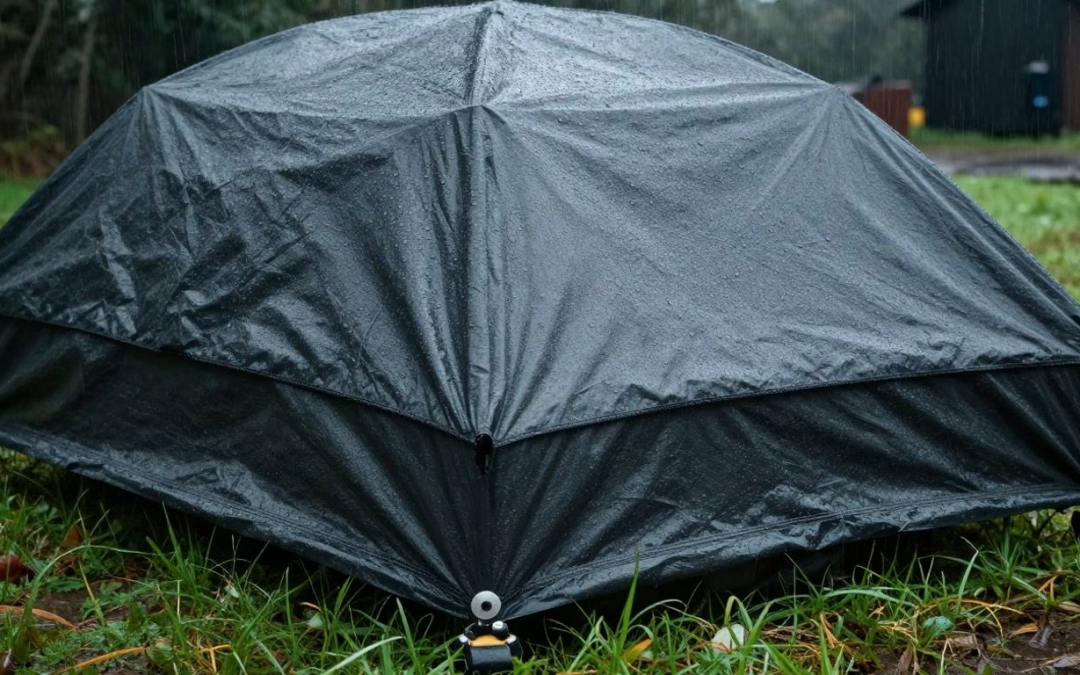
On the other hand, running covers are built to handle operation in less-than-ideal conditions. They’re designed to allow for proper airflow for cooling and exhaust while still keeping rain and snow out. These are often more like a tent structure, providing a protective bubble. If you need to power your home during a storm, a running cover is what you’ll want. Brands like GenTent specialize in these types of covers, allowing operation in various weather.
Considering Generator Frame Types
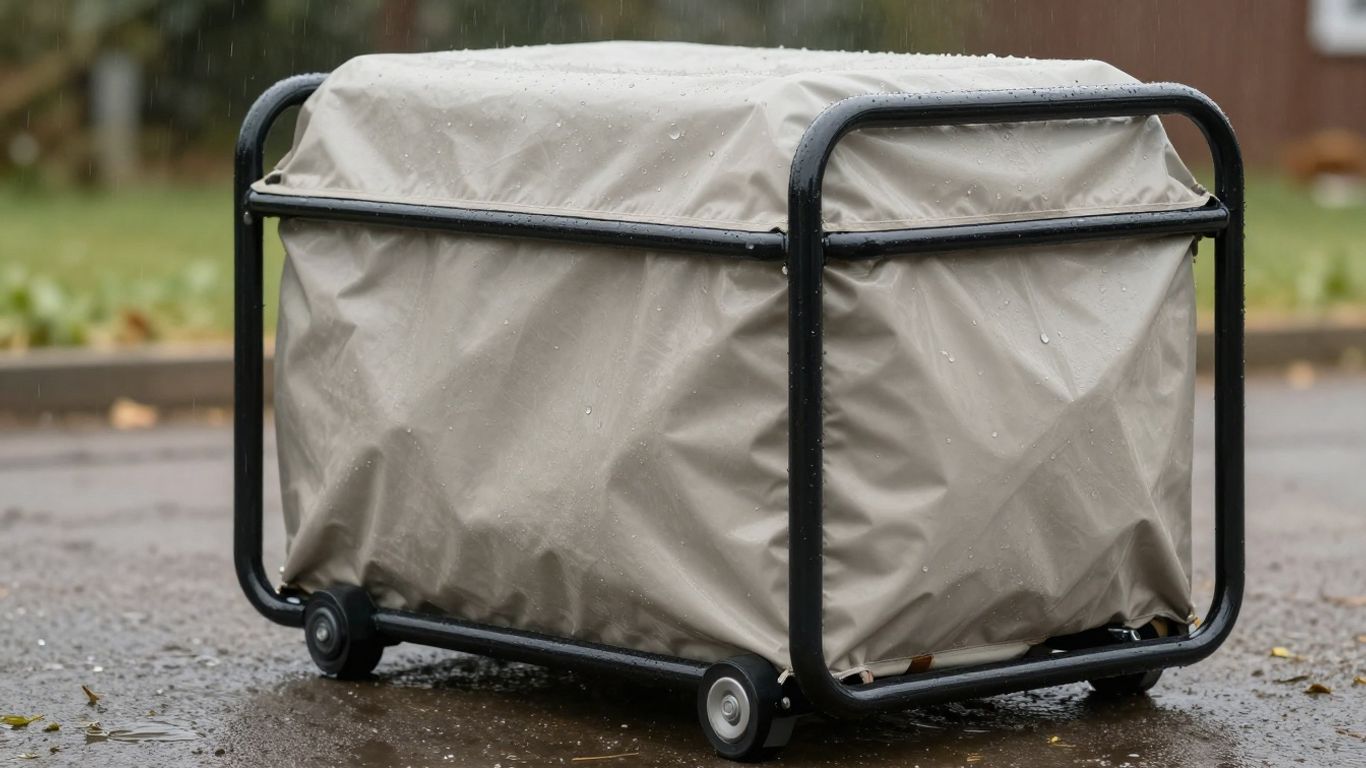
Generators themselves come in different shapes, and the cover needs to match. The two main types you’ll encounter are open-frame and closed-frame generators. Open-frame generators have their engine and components exposed, looking a bit like a metal cage. Covers for these often have to wrap around this frame, sometimes using straps to secure them. Closed-frame generators have a more enclosed housing, and their covers might be more form-fitting, almost like a shell.
Assessing Cover Fit for Different Generators
Getting the right size is more than just aesthetics; it’s about function. A cover that’s too tight might restrict airflow or be difficult to put on and take off. Too loose, and it could blow away in the wind. For running covers, you need a bit of space for ventilation – usually, a few inches larger than the generator’s dimensions is recommended. Storage covers can be a bit snugger, but still shouldn’t be so tight that they’re hard to manage. It’s worth checking the manufacturer’s recommendations for your specific generator model to find a cover that fits just right, like those offered by GenArmor.
Getting the fit wrong can lead to problems. A cover that doesn’t allow enough air circulation when the generator is running can cause it to overheat. Conversely, a storage cover that seals too tightly might trap moisture, leading to rust and corrosion over time. Always consider the airflow needs based on whether the generator will be on or off.
Key Material Considerations for Durability
When you’re looking for a generator cover that’s going to last, the materials used are a big deal. It’s not just about keeping the rain off; it’s about standing up to the sun, wind, and whatever else Mother Nature throws your way. Think of it like buying a good pair of boots – you want something sturdy that won’t fall apart after a few hikes.
Evaluating Waterproof Fabrics
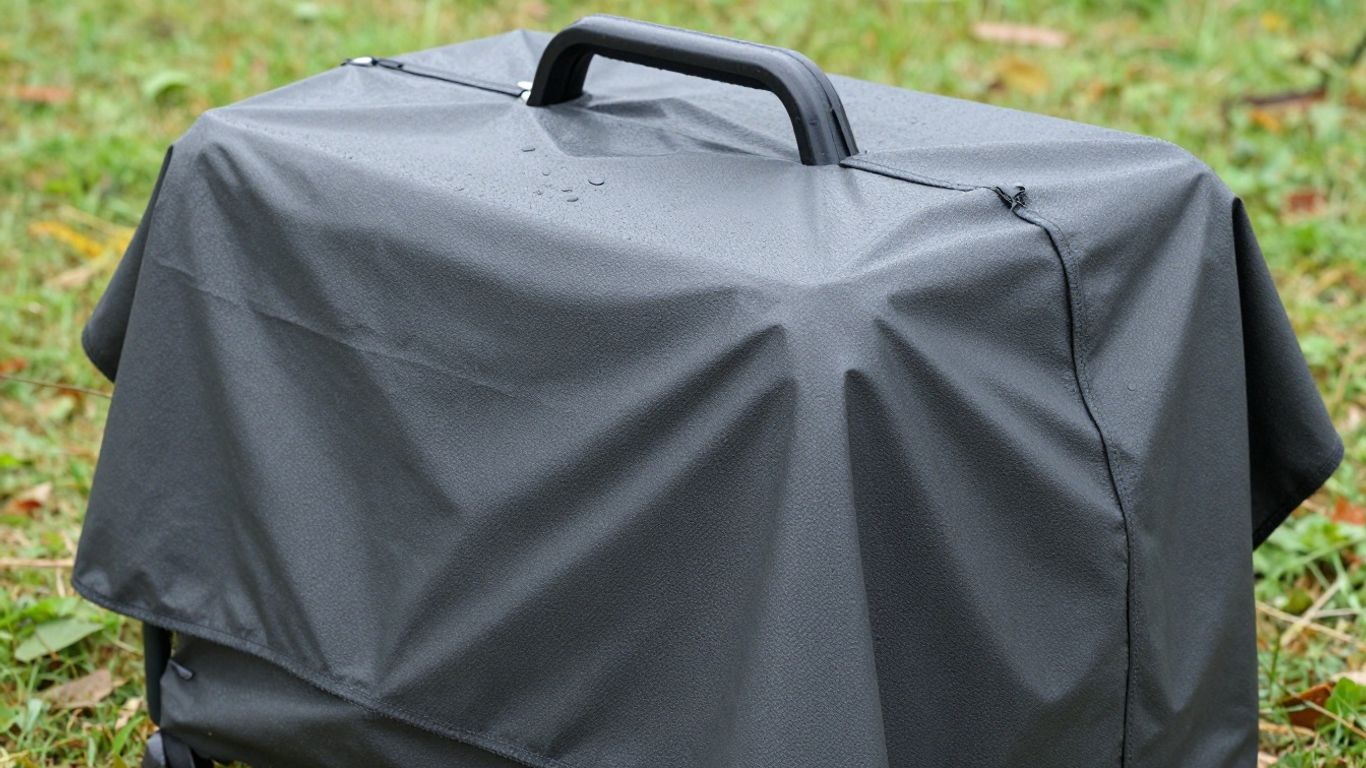
So, what makes a fabric good for a generator cover? You’ll see a few common ones. Polyester, especially 600-denier, is popular for storage covers because it holds up well against UV rays and resists tearing. Often, it’s lined with something like PVC to make it truly waterproof. Vinyl is another strong contender, particularly for covers meant to be used while the generator is running. It can have fire-retardant qualities, which is a nice bonus. Tarpaulin is also a solid choice – it’s tough and naturally waterproof. The best covers use materials that are both waterproof and breathable to some extent, preventing condensation buildup.
Here’s a quick look at some common materials:
- 600D Polyester: Good for storage, resists UV and tears. Often needs a waterproof lining.
- Vinyl: Durable, can be fire-retardant, good for running covers.
- Tarpaulin: Naturally waterproof and very durable.
The Role of Frame Materials
It’s not just the fabric that matters. The frame holding the cover up is just as important, especially if you’re dealing with wind or snow. You want a frame that won’t rust or bend easily. Stainless steel is a top choice because it’s strong and holds up against the elements. Cheaper metals can corrode, making the whole cover unstable.
Assessing UV and Tear Resistance
Your generator cover will likely spend a lot of time outside, so it needs to handle the sun. UV rays can break down fabrics over time, making them brittle and prone to tearing. Look for materials that are specifically rated for UV resistance. Similarly, a cover that can resist tears is going to last much longer, especially if it gets snagged on something or experiences strong winds. A cover with a good warranty, like the 12oz vinyl options, often indicates the manufacturer’s confidence in its durability.
When picking a cover, think about where you live and what kind of weather you get most often. If you’re in a sunny spot, UV resistance is key. If you get heavy rain or snow, you need something truly waterproof and sturdy. It’s about matching the cover’s materials to your specific needs to get the best protection.
Materials like 12oz vinyl are often recommended for tougher conditions, offering a good balance of durability and cost. While 600D polyester is a good option, especially for less harsh environments, the thicker vinyl is frequently chosen for its robust nature. It’s worth checking out heavy-duty vinyl options if you need something that can really take a beating.
Essential Features for Optimal Protection
When you’re looking for a generator cover, it’s not just about keeping the rain off. You need to think about how it’s built and what it can actually do. The best covers have a few key things going for them that make a big difference in how well they protect your generator and how safe they are to use.
The Importance of Proper Ventilation
This is a big one, especially if you plan on running your generator in bad weather. A cover that doesn’t let air move around can cause your generator to overheat, which is bad news. For covers designed to be used while the generator is running, you’ll see openings or panels that let air in and let the exhaust out. This is super important for keeping the engine cool and making sure dangerous fumes don’t build up. Think of it like giving your generator room to breathe. Some covers have sides you can roll up when it’s running and then pull down when it’s off for full protection. For storage covers, ventilation is still important, but for a different reason: it helps stop condensation from forming inside, which can lead to rust and corrosion over time. You don’t want your generator getting damaged while it’s just sitting there.
Ensuring Secure Installation and Functionality
A cover that blows away in the wind or is a pain to put on and take off isn’t much good. You want something that fits your generator well and stays put. For running covers, this often means a frame or a system that keeps the cover stable and off the generator itself, allowing for that needed airflow. Look for covers that have straps or a design that makes them easy to secure, even if you’re doing it in a hurry during a storm. A cover that’s too loose might flap around and get damaged, or worse, let too much weather in. On the flip side, a storage cover should be easy to slip on and off, but still snug enough to keep dust and moisture out. It’s all about finding that balance between a secure fit and ease of use.
Evaluating Weatherproofing Capabilities
This is where the material really comes into play, but it’s also about the design. A truly weatherproof cover will keep out not just rain, but also wind and UV rays. For running covers, they need to be tough enough to handle direct rain and wind without leaking or getting ripped. Some are even tested for really harsh conditions. For storage, you want something that blocks moisture and sun damage, which can degrade plastic parts over time. It’s worth checking what kind of protection the cover offers.
A good generator cover acts like a shield, but it needs to be a smart shield. It has to block the bad stuff like rain and wind, while still letting the generator do its job without overheating or getting choked by its own exhaust. It’s a balance of protection and performance.
Here’s a quick look at what to expect:
- Waterproof Material: Look for fabrics like heavy-duty polyester or vinyl that are coated to repel water. This is the first line of defense.
- Wind Resistance: Features like sturdy frames, secure tie-downs, or snug fits help prevent the cover from being blown away or damaged by strong gusts.
- UV Protection: Especially for storage covers, materials that resist fading and degradation from sunlight will last longer and protect your generator’s finish.
- Tear Resistance: A thicker denier fabric (like 600D) is less likely to rip when you’re putting it on or if it snags on something.
When you’re picking out a cover, think about where you’ll be storing or running your generator. If it’s out in the open a lot, you’ll need something more robust. For generators that are mostly kept in a garage or shed, a simpler storage cover might be enough. But if you ever need to run it during a downpour, a dedicated running cover is a must-have.
Choosing the Best Waterproof Covers for Your Outdoor Generator
So, you’ve got a generator, and you want to keep it in good shape, right? That means picking the right cover. It’s not just about tossing a tarp over it; there are actually different kinds for different jobs. Let’s break down what you need to look for.
Top-Rated Running Covers for Operation
If you ever need to run your generator when the weather’s not cooperating – think rain or wind – you’ll want a running cover. These are built tough. They’re designed to protect the generator’s important bits, like the outlets and control panel, while still letting it breathe so it doesn’t overheat. Some even have special designs to keep water from pooling on top. The Igan Ultra Heavy-Duty Generator Tent Running Cover is a solid choice that testers found kept their generator completely dry during a serious thunderstorm.
Reliable Storage Covers for Protection
When your generator is just sitting there, not in use, a storage cover is what you need. Its main job is to keep dust, dirt, and moisture away. These are usually simpler and made from materials that resist UV rays, so the sun doesn’t break them down. They’re great for keeping things tidy in a garage or shed. Just remember, these are only for when the generator is off. Using one while it’s running can be a real safety hazard.
All-Weather Covers for Maximum Versatility
Some covers try to do it all. These are the all-weather types that can work for both running and storage. They often have features like roll-up sides or panels that you can adjust. You can have them open for ventilation when running and closed up tight for storage. It’s like having a little tent for your generator. These can be super convenient if you don’t want to swap covers all the time. You can find models with pointed tops to help shed water and debris, which is a nice touch. Check out generator cover options that offer this kind of flexibility.
When picking a cover, think about the material. You want something waterproof but also tough enough not to rip easily. Fabrics like heavy-duty polyester or vinyl are good bets. Also, look at the frame material if it has one; stainless steel is best because it won’t rust.
Here’s a quick look at what makes a good cover:
- Waterproof Material: Keeps rain and snow out.
- UV Resistance: Stops the sun from degrading the fabric.
- Ventilation: Allows air to circulate, preventing overheating and condensation.
- Secure Fit: Prevents the cover from blowing away in the wind.
- Easy Access: Lets you get to fuel caps or maintenance points without removing the whole cover.
Safety and Maintenance Aspects
Ventilation for Carbon Monoxide Safety
This is a big one, folks. Running your generator indoors or in an enclosed space like a garage is a recipe for disaster because of carbon monoxide (CO). It’s a colorless, odorless gas that can be deadly. A properly designed running cover is your first line of defense, but it’s not a substitute for smart placement. Look for covers specifically made for operation that have built-in vents. These vents allow the generator to breathe, letting fresh air in and, more importantly, directing exhaust fumes away from living areas. Always remember to position your generator at least 20 feet away from any doors or windows, with the exhaust pointing away from your home. You can find some great options for generator placement guidance here.
Preventing Overheating and Condensation
Generators get hot when they run, and a cover that traps that heat can cause serious problems, like damaging the engine or even starting a fire. Running covers need to allow for airflow to dissipate heat. On the flip side, when your generator is stored, moisture can build up inside the cover, leading to rust and corrosion. Storage covers should ideally have some form of ventilation to let that moisture escape. Some covers have adjustable flaps or panels that you can open or close depending on whether the generator is running or stored, which is pretty neat.
Ease of Refueling and Maintenance Access
Nobody wants to wrestle with a cover just to add fuel or check the oil. Think about how often you’ll need to access the generator. Many covers are designed with this in mind. Some have zippers or flaps that allow you to reach the fuel cap or maintenance points without removing the entire cover. For storage covers, elastic hems or simple tie-downs make them easy to slip on and off. When you’re looking at running covers, check if the control panel is still accessible while the cover is on. This makes it way easier to monitor the generator during operation. A good cover shouldn’t be a barrier to basic upkeep; it should make it simpler. For instance, some covers are designed to stay on even during light rain, so you don’t have to scramble to put it back on after refueling during a storm [f41b].
When choosing a cover, always prioritize safety features over aesthetics or convenience. A cover that looks good but doesn’t allow for proper ventilation or easy access can create more problems than it solves. Read reviews and check manufacturer specifications carefully to ensure the cover meets your needs and safety standards.
Conclusion
Picking the right cover for your generator is a pretty big deal. It’s not just about keeping it dry; it’s about making sure it works when you need it and lasts as long as possible. Whether you need a cover for when it’s running during a storm or just for keeping it clean in the garage, there’s a good option out there. Think about what you’ll use it for most, what kind of generator you have, and what materials will hold up best. A little research now can save you a lot of hassle and money down the road. Your generator will thank you for it.
Frequently Asked Questions
Can I use a storage cover while my generator is running?
Definitely not. Using a storage cover when the generator is on is a bad idea. It can block airflow, make the generator overheat, and trap dangerous fumes like carbon monoxide. It’s a big safety risk.
What’s the difference between a running cover and a storage cover?
A running cover is like a little tent that lets you use your generator in bad weather, keeping it dry while letting it breathe. A storage cover is just for keeping dust and dirt off when the generator is turned off and put away.
What materials are best for generator covers?
You want materials that are waterproof and tough. Things like heavy-duty polyester, vinyl, or nylon work well. They can stand up to rain, sun, and wind without falling apart.
How important is ventilation on a generator cover?
Ventilation is super important, especially for covers you use while the generator is running. It lets the engine get the air it needs and lets the hot exhaust escape safely. It also helps stop moisture from building up inside.
How do I know if a cover will fit my generator?
Most covers list the generator sizes or types they fit. It’s a good idea to measure your generator first. For running covers, you want a bit of extra space for airflow, while storage covers should fit more snugly.
Can I use a generator cover in strong winds?
Some running covers are made to handle windy conditions. Look for ones with sturdy frames and secure ways to attach them to your generator. Simple storage covers might blow away easily if it’s windy.