
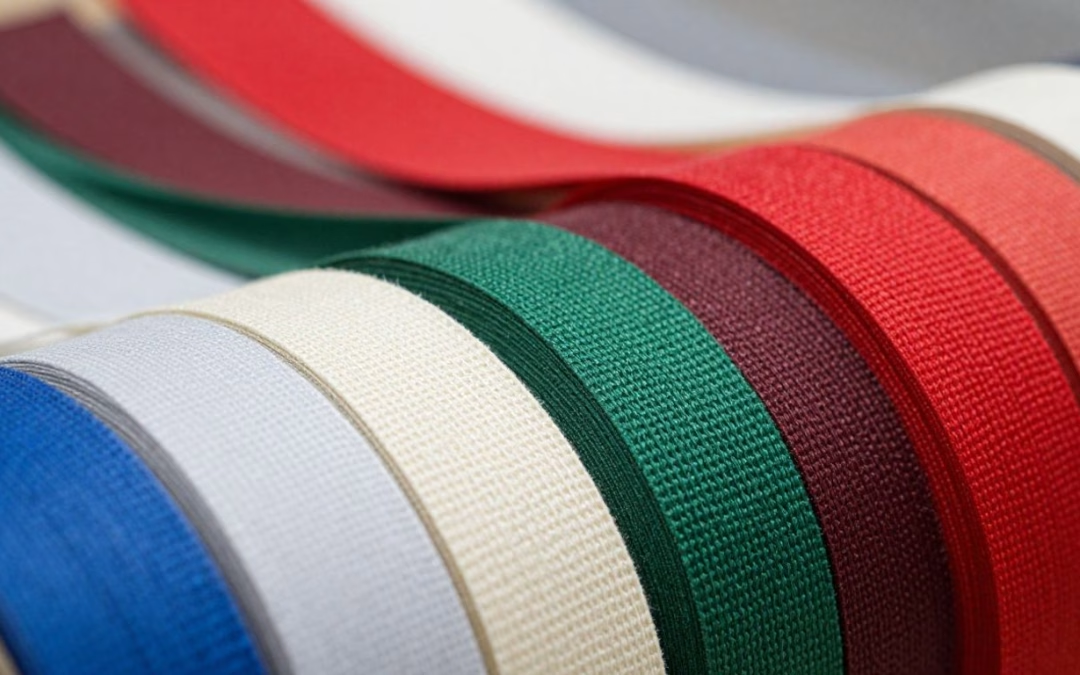
Here are some important points to remember when you’re thinking about buying upholstery webbing online in South Africa:
Key Takeaways
- You can easily buy different kinds of upholstery webbing online in South Africa, like elastic, jute, and Pirelli types.
- Elastic webbing is great for comfort, jute is strong and natural, and Pirelli webbing offers top support.
- Shopping online makes it simple to order webbing, and there are delivery options all over South Africa.
- When choosing webbing, think about the color, how much you need, and any minimum order amounts.
- There are guides available to help you with the steps of attaching webbing to your furniture projects.
Discover Premium Upholstery Webbing Options Online in South Africa
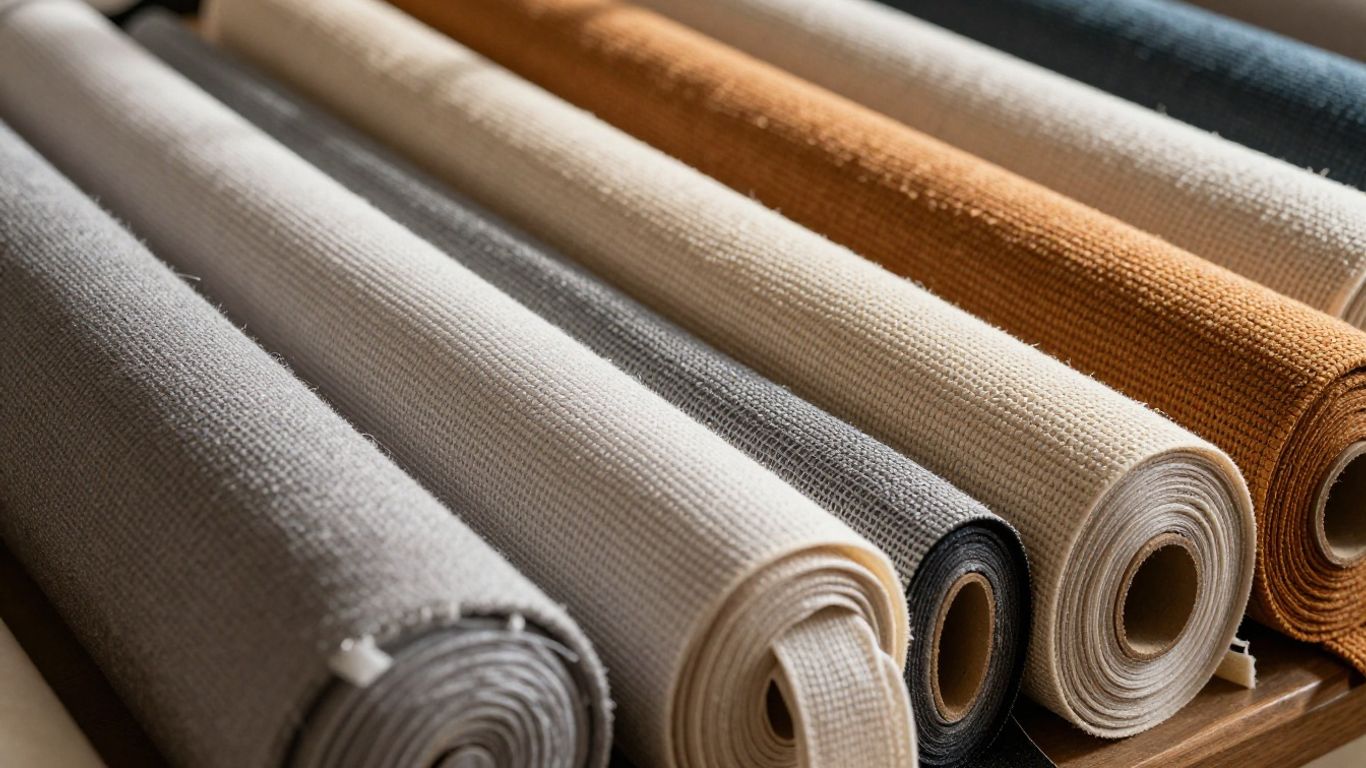
Explore Elastic Webbing for Superior Comfort
When you’re looking to add a bit of give and take to your furniture, elastic webbing is the way to go. It’s not just for sofas and chairs, either. Think ottomans, car seats, even office chairs where you spend a lot of time sitting. This type of webbing spreads out weight evenly, which means less pressure on you and more comfort, especially during those long work-from-home days. Unlike older webbing types that can get saggy, elastic webbing keeps its springiness. It’s built to handle daily use without losing its shape. It’s also super handy for things like sports gear or medical equipment where flexibility is key. Basically, if you need something that bends and bounces back, this is your material.
Choose Natural Jute Webbing for Durability
For a more traditional and sturdy feel, natural jute webbing is a fantastic choice. It’s known for being really strong and dependable, which is why so many furniture makers and DIYers reach for it. It gives furniture that solid support it needs, whether you’re building something new or fixing up an old favourite. You can find good quality jute webbing in various lengths, like 10-meter or 33-meter rolls, perfect for any project size. It’s a great option if you’re aiming for that classic, durable look. You can get a 12lb 2" heavy-weight jute webbing that’s perfect for even the most demanding upholstery jobs.
Experience Pirelli Webbing for Ultimate Support
If you’re after top-tier support and a really comfortable seating experience, Pirelli webbing is worth checking out. It’s made from quality materials that give it excellent stretch and strength, so your furniture will feel good and hold up well over time. It’s a go-to for creating seating that’s both comfortable and built to last. This webbing is a bit different from the others, offering a unique blend of resilience and firmness that many upholsterers prefer for high-traffic pieces.
Webbing is more than just a functional part of furniture; it’s the foundation of comfort and durability. Choosing the right type can significantly impact the longevity and feel of your upholstered pieces, turning a worn-out item into something that feels brand new.
Essential Webbing Supplies for Your Upholstery Projects
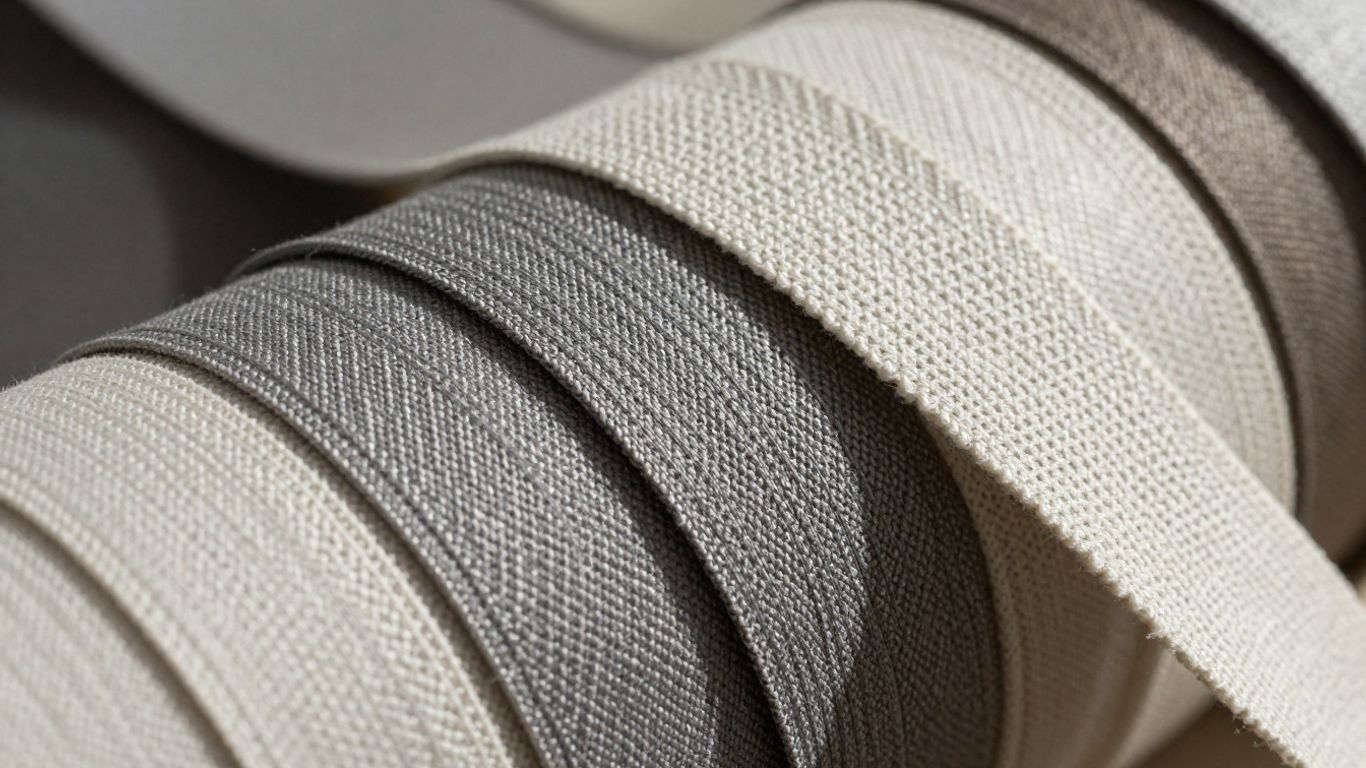
When you’re getting ready to tackle an upholstery project, having the right supplies makes all the difference. It’s not just about the webbing itself, but also the supporting materials that help everything come together and last. Think of it like building a sturdy chair – you need more than just the seat and back; you need the frame and the fasteners too.
High-quality webbing is the backbone of any successful furniture restoration or creation. It provides the support and structure that keeps cushions comfortable and furniture looking good for years. Whether you’re working on a vintage armchair or a modern sofa, the webbing you choose will directly impact the final feel and durability.
Beyond just the webbing, there are other bits and pieces that are super helpful. You might want to grab some spring twine or jute twine to go along with your webbing. These can add an extra layer of support, especially in seating areas that get a lot of use. It’s like giving your furniture a little extra hug to keep it firm and comfortable.
Here’s a quick look at some complementary supplies:
- Spring Twine: Great for adding resilience and helping furniture maintain its shape.
- Jute Twine: Useful for reinforcing seams and adding overall strength to your project.
- Staples: You’ll need strong staples, often 10mm or 3/8", to securely attach the webbing. Stainless steel is a good choice to prevent rust.
For craftsmen and upholsterers, having a reliable source for these supplies is key. It means less time spent hunting for materials and more time spent creating. Having everything on hand means you can move through your projects smoothly, without those annoying interruptions.
If you’re looking to refresh a specific piece, like a Sea Island chair, finding the right replacement webbing is important. You want something that fits well and looks the part, and luckily, there are options available that can help you achieve that perfect look. Replacement webbing can really bring an old piece back to life.
Convenient Online Shopping for Upholstery Webbing
Effortless Ordering of Webbing Materials
Buying upholstery webbing online in South Africa has never been simpler. Forget about trekking to multiple stores or dealing with limited stock. You can now find a wide variety of webbing, from stretchy elastic options perfect for adding a bit of give to your seating, to robust natural jute for that classic, durable feel. The convenience of browsing and purchasing from your own space means you can focus on the creative part of your project. Many suppliers offer webbing by the yard, which is super handy if you need custom lengths for either a small repair or a larger production run. You can easily compare different types and find exactly what you need without any hassle.
Delivery Options Across South Africa
Once you’ve made your selection, getting your webbing to your doorstep is straightforward. Most online retailers provide delivery services that cover the entire country. For smaller orders, there might be a flat delivery fee, but it’s worth checking if larger purchases qualify for free shipping. It’s a good idea to look into the specifics of their delivery zones and estimated times, especially if you’re on a deadline for a project. This way, you know exactly when to expect your materials.
Here’s a general idea of delivery costs:
| Order Value | Delivery Charge (KZN) | Delivery Charge (Rest of SA) |
|---|---|---|
| Under R2500.00 | R165.00 | R195.00 |
| R2500.00 and over | Free | Free |
Returns and Exchanges for Your Peace of Mind
It’s always good to know that if something isn’t quite right, you have options. Most reputable online stores have a clear returns and exchanges policy. If the webbing you receive isn’t what you expected or doesn’t meet your project’s specifications, you can usually email them to arrange a return or exchange. It’s wise to read through their full policy before making a purchase, just so you’re aware of the process and any time limits involved. This makes buying online feel much safer.
When you’re working on furniture, having the right materials readily available makes all the difference. Online shopping for upholstery supplies, like elastic latex webbing, means you can get back to your project faster, without the usual delays associated with sourcing specific items. It’s about making the process smoother so you can enjoy the actual crafting.
Here are a few things to keep in mind when ordering:
- Check Stock Levels: Some popular webbing types, especially those sold in rolls, might have limited stock. It’s good to check how many meters or rolls are available.
- Minimum Order Quantities: For certain materials, like linen webbing, there might be a minimum purchase requirement, often around 50 meters.
- Shipping Costs: Factor in delivery charges when budgeting for your project. Sometimes, adding a little extra to your order can push it into the free shipping bracket.
Finding the right webbing is key to a successful upholstery job, and thankfully, buying it online in South Africa is now a really convenient process. You can find great options, like webbing by the yard, without leaving your home.
Understanding Webbing Types and Applications
Stretch Webbing: Ideal for Ottomans and Seating
When you’re looking to add a bit of give and comfort to your furniture, stretch webbing is the way to go. It’s not just about making things soft, though; it’s about providing a supportive base that can flex a little. Think about ottomans or the seats of chairs – they need that slight bounce, right? This type of webbing gives you that. It’s made to handle pressure and then spring back, keeping your furniture feeling good for a long time. It’s a popular choice for a reason, offering that perfect blend of support and comfort that people look for in seating.
Linen Webbing for Furniture Renewal
If you’ve got older furniture that’s seen better days, linen webbing can be a real game-changer for giving it a new lease on life. This stuff is made from natural linen, often woven with strong, twisted yarns and pre-stretched. This means it’s built to last and won’t lose its tension too quickly. It’s a great material for re-upholstering, especially for pieces with a slimmer profile where you don’t want bulky support systems. You can find it in a variety of colours, too, so you can match it to your existing decor or go for something completely new. It’s a solid choice for anyone looking to restore or update their furniture.
Webbing Specifications for Re-upholstery Projects
Getting the right amount of webbing for a re-upholstery job is pretty important. You don’t want to run out halfway through, and you definitely don’t want to buy way more than you need. Different furniture pieces call for different lengths. For example, a Lounge Chair 43 might need around 34 meters, while a smaller item like a Chair Y612 might only require about 6 meters. It’s always a good idea to check the specific requirements for the piece you’re working on. Some manufacturers even provide guides detailing how much webbing is needed for specific models, which can save you a lot of guesswork. Remember, most linen webbing comes in rolls, and there’s often a minimum order quantity, like 50 meters, so planning is key.
Planning your webbing purchase is half the battle. Knowing the exact type and quantity needed before you order will save you time, money, and a whole lot of frustration down the line. Always measure twice and cut once, as they say.
Here’s a quick look at how much webbing some common furniture items might need:
- Chair 611: Approximately 13.2 meters (Seat: 7m, Backrest: 6.2m)
- Armchair 45: Approximately 20 meters (Seat: 9.4m, Backrest: 10.6m)
- High Chair 617: Approximately 10.7 meters (Seat: 6.9m, Backrest: 3.8m)
This kind of detail can really help when you’re trying to figure out how much webbing material to buy for your project. It’s also worth noting that some older furniture models might no longer be in production, but the webbing requirements are still useful for similar pieces.
Selecting the Right Webbing for Your Needs
Choosing the correct webbing is a big part of any upholstery job. It’s not just about picking something that looks nice; it’s about making sure your furniture holds up and feels good for years to come. Think of it like building a house – you need a solid foundation, and webbing is exactly that for your chairs and sofas.
Choosing Webbing Colours for Your Projects
While function is key, aesthetics matter too! The colour of your webbing can sometimes be a factor, especially if it might peek through lighter-coloured upholstery or if you’re working on a piece where the webbing is visible. Many suppliers offer a range of colours, from natural tones to bolder options. For instance, you can find linen webbing in shades like natural/white, natural/red, and natural/black. Some even come in combinations like black/brown or black/dark blue. The "Black / Black" option is a safe bet for most projects, keeping things clean and professional.
Determining the Required Amount of Webbing
Figuring out how much webbing you need can feel a bit tricky, but it’s really about measuring twice and cutting once. Different furniture pieces require different lengths. For example, re-webbing an Alvar Aalto Chair 611 might need around 13.2 meters in total, split between the seat and backrest. A Lounge Chair 43 could take up to 34 meters. It’s always better to have a little extra than to run short mid-project. Always check the specifications for the particular furniture item you’re working on.
Here’s a quick look at some common furniture pieces and their approximate webbing needs:
| Furniture Piece | Approximate Webbing Needed |
|---|---|
| Lounge Chair 43 | 34 meters |
| Armchair 45 | 20 meters (10.6m back, 9.4m seat) |
| Armchair 406 | 20 meters |
| Chair 611 | 13.2 meters (6.2m back, 7m seat) |
Minimum Order Quantities for Linen Webbing
When you’re ready to buy, keep an eye on minimum order quantities. For linen webbing, it’s common to find that you need to purchase in larger rolls, often 50 meters at a time. This is great if you’re a professional upholsterer or have several projects lined up, but it’s something to be aware of if you only need a small amount for a quick repair. It’s worth checking with your supplier about smaller cuts if available, though usually, the bulk rolls are the standard for local upholstery workshops.
Always consider the intended use of the furniture. A dining chair might need a firmer, more supportive webbing like jute, while an ottoman could benefit from the give and comfort of elastic webbing.
Professional Guidance for Webbing Upholstery
Step-by-Step Re-webbing Instructions
Re-webbing furniture might seem a bit daunting at first, but with the right approach, it’s totally doable. The key is to take your time and pay attention to the details. When you’re taking off the old webbing, snap a few photos. Seriously, this helps a ton later on when you’re figuring out exactly where the new webbing needs to go. The old staples often leave marks, which are super useful guides, but a picture is worth a thousand words, right?
Here’s a general rundown of how to get started:
- Prepare the Frame: Make sure the furniture frame is clean and free of any old staples or debris. This gives you a nice, smooth surface to work with.
- Attach the First End: Fold about 1 cm of the webbing’s end and secure it to the frame using staples. For most chairs, you’ll start on the underside of the seat or backrest frame.
- Stretch and Secure: Pull the webbing taut across the frame to the opposite side. Use a tensioning tool if you have one to get it just right – not too loose, not too tight. Secure this end with staples, again folding the edge first.
- Repeat for All Straps: Continue this process for all the webbing straps, making sure they run parallel or perpendicular as needed for the furniture’s design. Overlapping straps should be attached carefully to avoid bunching.
- Trim and Finish: Once all webbing is in place and secured, trim any excess material. You can then smooth down the fibers over the staples for a cleaner look.
Tips for Attaching Webbing Securely
Getting the webbing to stay put is half the battle. You want it tight enough to provide support but not so tight that it damages the frame or the webbing itself. Using good quality staples, like stainless steel ones, makes a difference. Also, consider the direction of the weave in your webbing; it often has a stronger direction, and you’ll want to pull it taut along that line. For really stubborn pieces or if you’re going for that professional finish, a webbing stretcher tool can be a lifesaver. It helps you get consistent tension across all the straps. Remember, the goal is a firm, even surface that will last.
When re-webbing, especially on older or more delicate pieces, it’s wise to test your tensioning on a small, inconspicuous area first. This way, you can gauge how much pressure the frame can handle without causing damage.
Renewing Webbing on Iconic Furniture Pieces
Many classic furniture designs, like those from Alvar Aalto, originally used webbing as a key design element. These pieces are often built for longevity, meaning their webbing can be replaced to give them a new lease on life. For instance, renewing the webbing on an Alvar Aalto Chair 611 involves specific measurements and techniques. You might need around 13.2 meters for a chair like that, split between the seat and backrest. Always check the manufacturer’s specifications if available, or carefully measure the old webbing before ordering new material. This attention to detail ensures the integrity and aesthetic of the original design are maintained. If you’re looking for professional help with furniture restoration in Pretoria, there are services that can assist with these kinds of projects like the Foam & Upholstery Centre.
Here’s a quick look at some typical webbing amounts needed for specific chairs:
| Furniture Piece | Approximate Webbing Needed |
|---|---|
| Lounge Chair 43 | 34 meters |
| Armchair 45* | 20 meters |
| Chair 611 | 13.2 meters |
| High Chair 617* | 10.7 meters |
*Note: Items marked with an asterisk may no longer be in production.
Conclusion
So, if you’re looking to fix up some furniture or start a new project, remember that buying upholstery webbing online in South Africa is a really convenient way to get what you need. There are different types out there, so pick the one that best suits your project. With easy online ordering and delivery, you’ll have your materials in no time to make your furniture look great again.
Frequently Asked Questions
What kind of webbing should I use for a comfy chair?
For a really comfy chair, you might want to look at elastic webbing. It gives a bit of stretch and bounce, which makes seating feel softer and more supportive over time. It’s good for things like ottomans and chairs where you want that extra give.
Is jute webbing good for old furniture?
Yes, jute webbing is a fantastic choice for older furniture. It’s made from natural fibers, so it’s strong and lasts a long time. People often use it because it feels more traditional and is quite durable, perfect for giving old pieces new life.
How do I know how much webbing to buy?
It’s a good idea to measure the areas where you’ll be attaching the webbing. Some guides show how much webbing is needed for different types of chairs or sofas. It’s usually better to have a little extra just in case, so you don’t run out halfway through.
Can I return webbing if I order the wrong kind?
Most online stores in South Africa have a policy for returns and exchanges. If you get the wrong item or it’s not what you expected, you can usually contact them to arrange a return or swap. It’s always good to check their specific policy before you buy.
What are the delivery costs like in South Africa?
Delivery costs can change depending on how much you order. Often, orders over a certain amount, like R2500, get free delivery anywhere in South Africa. For smaller orders, there might be a flat fee, which can differ if you’re in a specific region like KwaZulu-Natal.
Where can I find instructions on how to attach webbing?
You can find step-by-step guides online that show you how to attach webbing, especially for specific furniture pieces. These guides often include tips on how to staple it securely and make sure it stays tight. It’s helpful to look for guides that match the type of furniture you’re working on.