
Canvas tarps are incredibly useful for a wide range of tasks. Here are some of the main things you should remember about their uses and benefits.
Key Takeaways
- Canvas tarps are great for protecting cargo in truck beds, boats, and outdoor furniture.
- They can be used to create shelters for camping, hunting, and extra outdoor living spaces.
- In farming and gardening, they help preserve hay, protect crops, and cover produce.
- For home projects, canvas tarps shield surfaces during painting and keep firewood dry.
- Canvas tarps are breathable, durable, and can be treated for water resistance or fire retardancy.
Protecting Your Valuables and Property
When you’ve got stuff you need to keep safe from the weather or just general wear and tear, a good canvas tarpaulin is your best friend. It’s not just about throwing a sheet over something; it’s about providing real protection.
Securing Truck Bed Cargo
Got a pickup truck? If you haul anything, you know how quickly things can get tossed around or soaked by rain. A canvas tarp is a solid way to cover up your load. It’s way better than those flimsy blue tarps that rip easily. You can tie it down securely using the grommets, making sure your gear stays put, whether you’re on a bumpy dirt road or just cruising down the highway. It keeps your stuff dry and stops it from blowing away.
Shielding Boats and Watersport Gear
Boats, kayaks, paddleboards – they all need protection when they’re not in the water. A canvas cover stops sun damage, bird droppings, and keeps the seats dry for your next outing. Unlike plastic covers that can trap moisture and lead to mold, canvas lets things breathe a bit, which helps prevent that nasty mildew buildup. It’s a smart move to keep your water toys in good shape for longer. You can find some great canvas tarp boat covers that fit well.
Safeguarding Outdoor Furniture
Your patio furniture can take a beating from the sun and rain. Instead of those custom-fit covers that can get brittle in the cold, a canvas tarp is super flexible. You can drape it over a whole set of chairs and a table, or just individual pieces. It protects against UV rays that fade colors and the dampness that can lead to rust on metal frames or rot on wood. Plus, the thicker material can handle fallen branches or even a bit of hail without tearing.
Keeping your outdoor items covered isn’t just about convenience; it’s about extending their lifespan and saving money in the long run. A little protection goes a long way.
Enhancing Outdoor Activities and Living
Canvas tarps are surprisingly handy when you’re heading outdoors, whether it’s for a weekend camping trip or just spending more time in the backyard. They really do make things a bit more comfortable and practical.
Creating Camping Shelters and Base Camps
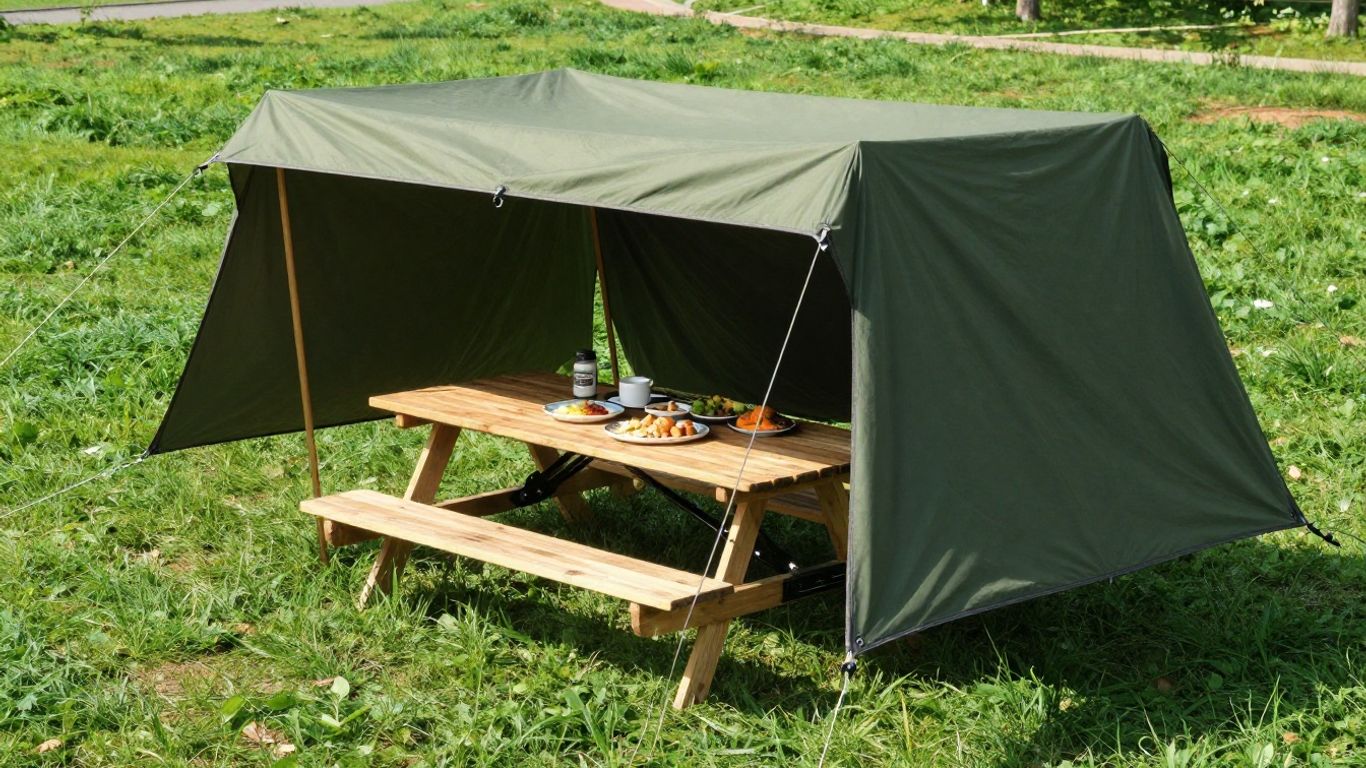
Forget about being stuck in one spot if the weather turns. A good canvas tarp can be rigged up in so many ways to give you extra shelter. Think of it as a quick way to set up a covered cooking area, a place to stash gear out of the rain, or even a communal hangout spot away from the bugs. You can string one up between trees to create a dry zone for your camp kitchen or a sheltered area to just relax. It’s amazing how much difference a bit of overhead cover makes when you’re trying to enjoy the outdoors.
Serving as Ground Cloths for Tents
Putting your tent directly on the ground can be rough. Not only can it wear out the bottom of your tent over time, but it also doesn’t do much against dampness. Laying down a canvas tarp first gives you a tougher layer between your tent and the earth. This helps keep the inside of your tent drier and cleaner. It’s a simple step that really pays off in comfort, especially if you’re camping in a spot that might be a bit wet. It also makes packing up easier because you’re not trying to fold up a muddy tent floor. Many campers find that a durable canvas tarp is a must-have for protecting their gear.
Providing Stealth for Hunting
For hunters, a canvas tarp can be a game-changer, literally. You can use them to create makeshift hunting blinds that blend into the surroundings. Choosing a tarp in a color that matches the environment, like green for woods or a natural tan for fields, helps you stay hidden. You can shape them to fit the terrain, giving you a better vantage point without being easily spotted. It’s also useful for setting up a clean area to process game after a successful hunt, keeping your catch protected from the elements and pests while you work. A well-placed tarp can make all the difference in staying unseen.
Canvas tarps offer a flexible and robust solution for various outdoor needs. Their natural fibers allow for breathability, which is a big plus compared to synthetic materials that can trap moisture. This breathability helps prevent condensation buildup, keeping your gear and living space drier and more comfortable.
Here’s a quick look at how you might use them:
- Shelter Extension: Rig a tarp as an awning or canopy over your picnic table or seating area.
- Gear Protection: Drape over firewood to keep it dry while it seasons, or cover sensitive equipment.
- Ground Cover: Use under a picnic blanket or chairs to keep them clean and dry.
- Windbreak: Position a tarp to block prevailing winds, making your campsite more comfortable.
Agricultural and Garden Applications
When it comes to farming and gardening, canvas tarps are surprisingly useful. They’re not just for covering things; they can actually help your crops and feed last longer. For farmers with livestock, a good canvas tarp is a lifesaver for protecting hay and feed bales from the elements. Rain can ruin a perfectly good bale, leading to mold and making it useless. A well-placed tarp keeps moisture out, preserving your feed and saving you money.
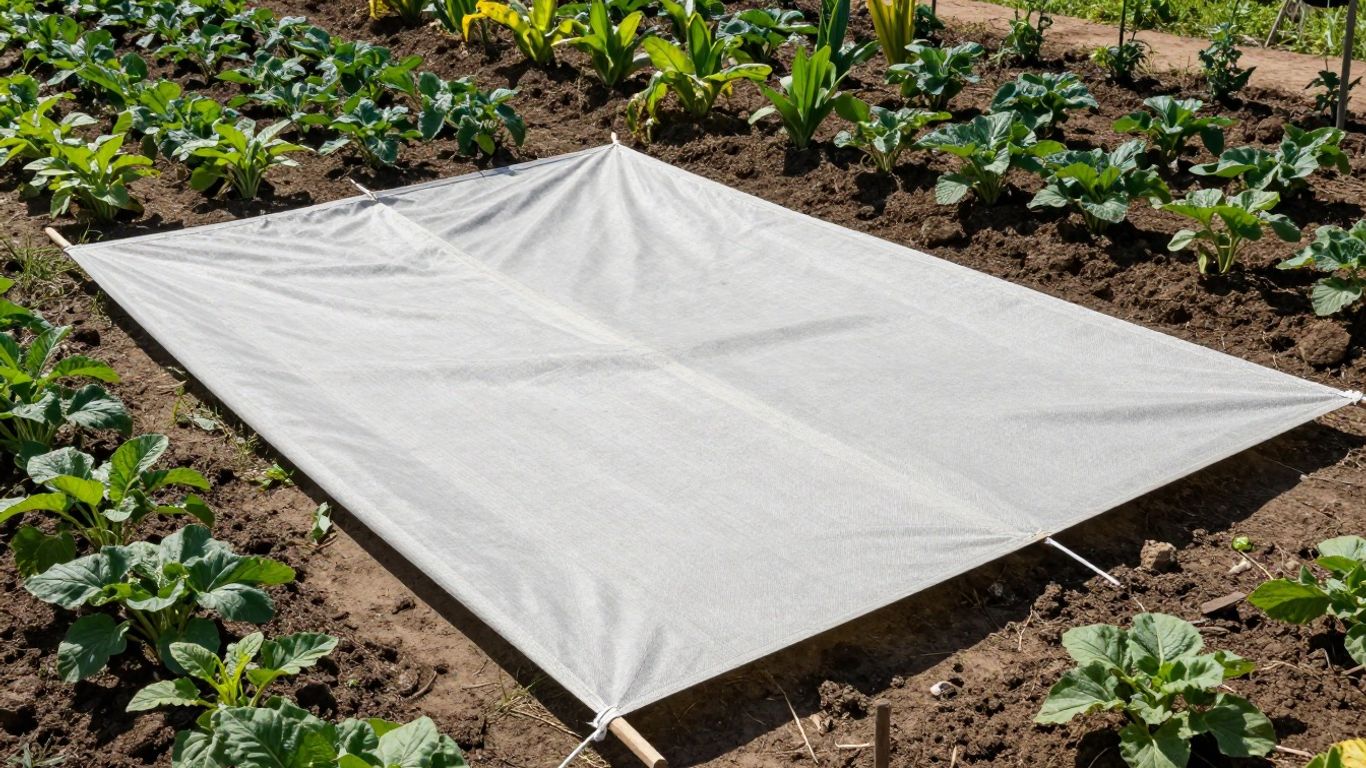
Gardeners can also find a lot of uses for these durable covers. Think about protecting delicate seedlings from unexpected late frosts or harsh winds. You can even create makeshift mini-greenhouses or cold frames to get a head start on the growing season. It’s a simple way to give your plants a better chance.
Here are a few ways canvas tarps shine in agriculture and gardening:
- Hay and Feed Bale Protection: Drape tarps over bales to prevent water damage and spoilage. This is especially important for long-term storage.
- Crop Shielding: Cover rows of vegetables or fruit bushes to protect them from frost, heavy rain, or even intense sun during heatwaves. This can be a real game-changer for sensitive crops.
- Transport Covers: When moving produce to market, a canvas tarp can shield your goods from sun, dust, and light rain, helping them arrive in better condition. You can even use them to cover agricultural produce during transport.
Canvas tarps are made from natural fibers, which means they can breathe. This is a big deal for things like hay or produce because it helps prevent moisture buildup and condensation that can lead to rot or mold. Unlike plastic, which traps everything, canvas lets air circulate a bit, keeping things fresher for longer.
For those transporting goods, a canvas tarp offers a sturdy barrier. It can keep your harvest safe from the sun’s rays and unexpected showers, ensuring it reaches its destination in top shape. It’s a practical choice for anyone looking to safeguard their hard work from the unpredictable outdoors.
Home Improvement and Maintenance Uses
When you’re tackling projects around the house, whether it’s a big renovation or just a weekend DIY, having the right protection is key. Canvas tarps really shine here. They’re tough and can handle a lot, making them way better than flimsy plastic sheets that just tear.
Shielding Surfaces During Painting and Renovation
Painting a room or doing some messy work? Throw down a canvas tarp. It’s a simple way to keep paint splatters, dust, and debris from ruining your floors or furniture. Unlike plastic, canvas breathes, which can be a nice bonus. Plus, they’re reusable, so you save money and the planet over time. You can find some really durable ones that will last through multiple projects. It’s a smart choice for any home improvement enthusiast.
Keeping Firewood Dry and Seasoned
Got a stack of firewood you’re letting dry out? You need to keep it out of the rain and snow, but still let air circulate so it doesn’t get moldy. A canvas tarp is perfect for this. You can drape it over the stack or even lay some wood on top of it. It stops moisture from soaking into the wood, which is exactly what you want for good, seasoned firewood. It’s also handy if you’re moving wood around, especially if your shelter is limited. A good tarp means warmth when you need it most.
Covering Construction Equipment
If you’ve got tools or equipment for construction, keeping them protected is a big deal. Canvas tarps are great for this. They can shield your gear from the elements, preventing rust on metal parts and keeping plastic from getting brittle in the sun. Because canvas breathes, it helps reduce moisture buildup that can cause problems. They’re also tougher than those blue plastic tarps, so sharp edges on your equipment are less likely to cause a tear. Just drape it over or hang it up, and your tools are good to go. It’s a practical way to make sure your investment lasts.
Canvas tarps are a solid choice for home projects because they’re durable, breathable, and reusable. They offer reliable protection for surfaces, firewood, and equipment, saving you hassle and potential damage down the line. Think of them as a long-term investment for your DIY toolkit.
Here’s a quick look at how they stack up:
- Painting/Renovation: Protects floors and furniture from spills and dust.
- Firewood: Keeps wood dry while allowing air circulation for seasoning.
- Equipment: Shields tools and machinery from weather and UV damage.
When you’re looking for ways to protect your belongings during home projects, don’t overlook the simple effectiveness of a canvas tarp. They’re a versatile tool that can save you a lot of trouble. For more ideas on using tarps in surprising ways, check out creative tarpaulin uses.
Maintaining Canvas Tarpaulin Integrity
Keeping your canvas tarps in good shape means they’ll last a lot longer and do a better job. It’s not super complicated, but you do need to pay a little attention to a few things. Think of it like taking care of any good tool – a little care goes a long way.
Preventing Mold and Mildew Growth
Mold and mildew are the enemies of canvas. They don’t just make things look bad; they can actually eat away at the fabric over time, making it weak and eventually unusable. This usually happens when a tarp stays damp for too long, especially if it’s folded up or stored in a dark, humid place. To fight this, always make sure your tarp is completely dry before you put it away. Hanging it up to air out is a good idea. If you’re worried about it, some canvas tarps are treated with chemicals to help slow down or stop mold from growing in the first place. It’s a good idea to check if your tarp has this treatment, especially if you tend to store it for long periods.
Understanding Water Resistance vs. Waterproofing
This is a big one. Most canvas tarps are water-resistant, not waterproof. What’s the difference? Water-resistant means it can handle a bit of rain or light splashes, and water will bead up and roll off for a while. It’s treated, often with wax, to do this. Waterproof, on the other hand, means absolutely no water gets through, period. Canvas tarps are often made water-resistant on purpose. Why? Because if they were totally waterproof, they’d lose their breathability. That breathability is a key feature of canvas, letting air circulate and preventing moisture from getting trapped underneath. So, while it won’t stop a downpour indefinitely, water-resistant is usually what you need for most jobs, like covering hay bales or outdoor furniture.
Considering Fire-Retardant Treatments
For certain uses, like hauling construction materials or farm equipment where sparks might be a concern, you might look for canvas tarps with fire-retardant treatments. These treatments add a layer of safety. However, it’s important to know that this protection isn’t permanent. Washing the tarp, especially with harsh detergents, can wear away the treatment over time. Always check the manufacturer’s instructions for washing and care if your tarp has this feature. Following them helps keep that fire-retardant quality working as long as possible. It’s a good idea to know the specifics of your tarp before you start cleaning it.
Keeping your canvas tarp dry and clean is the most important thing you can do. Even the best-treated canvas can fall victim to mold or rot if left damp and neglected. Always inspect your tarp for any signs of damage or wear before and after use.
Customization and Material Benefits
Personalizing Tarps with Designs
Sometimes, you just want your tarp to be yours. Maybe it’s for a specific event, or perhaps you just like things to look a certain way. You can actually get custom designs, logos, or even monograms printed right onto your canvas tarpaulin. Think about adding a cool graphic that matches your outdoor gear, or maybe your family crest for a bit of flair. It’s a neat way to make your tarp stand out and show it belongs to you. It’s not just about looks, either; a unique design can make it easier to spot your gear among others.
Choosing the Right Size and Features
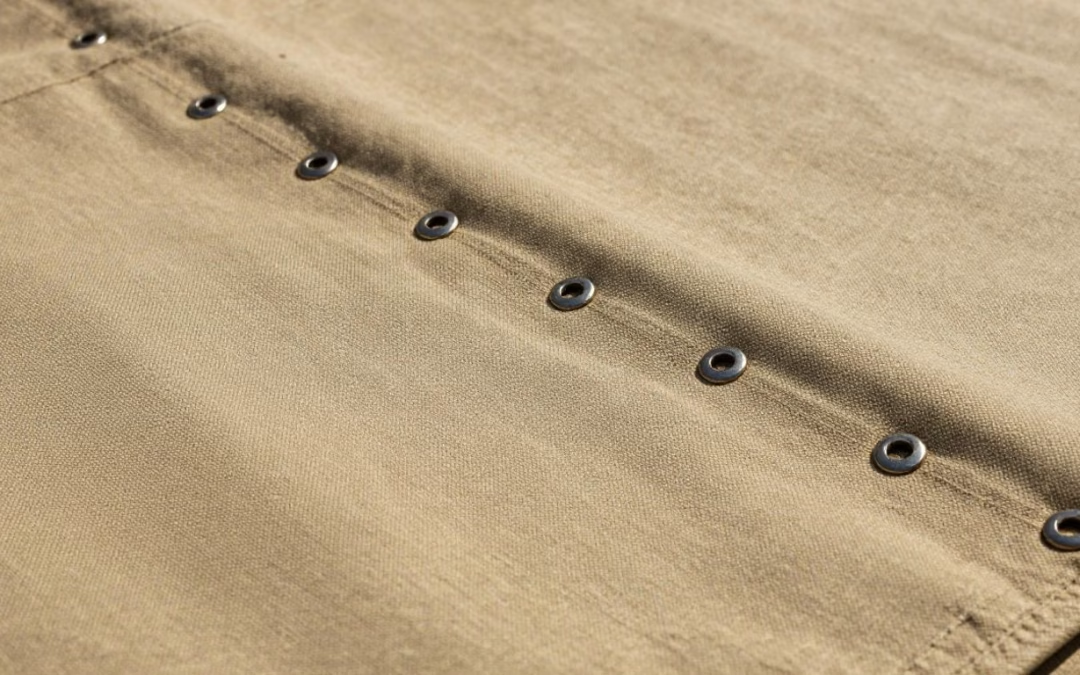
Canvas tarps aren’t one-size-fits-all, and that’s a good thing. You can get them in pretty much any size you need, from small covers for individual items to massive sheets for protecting large areas. When you’re picking one out, think about what you’ll be covering. Do you need it to hang over the sides? Do you need extra material to tie it down securely? It’s also worth looking at features like grommets, which are those metal rings around the edges. They make it way easier to tie down your tarp. Some might have reinforced webbing for extra strength, which is great if you plan on really pulling it taut.
Here’s a quick look at some common sizes and what they might be good for:
| Size | Potential Uses |
|---|---|
| 5′ x 7′ | Covering small equipment, firewood bundles |
| 10′ x 12′ | Protecting outdoor furniture, small boat cover |
| 20′ x 20′ | Large shelter, covering multiple vehicles |
| 20′ x 30′ | Agricultural bale cover, large event canopy |
Leveraging Breathability and Natural Fibers
One of the biggest pluses of canvas tarps is that they’re usually made from natural fibers, most commonly cotton. This is a big deal because cotton lets the material breathe. Unlike plastic tarps that trap moisture and heat, canvas allows air to circulate. This is super important if you’re covering things that could be damaged by condensation, like produce or sensitive equipment. It helps prevent that clammy feeling and reduces the risk of mold or mildew forming underneath. Plus, because it’s a natural material, it’s generally better for the environment when it’s time to dispose of it. You can even find wax-treated canvas tarps that offer water resistance while still letting the fabric breathe, striking a nice balance for many uses.
Canvas tarps offer a natural breathability that plastic alternatives just can’t match. This feature is key for preventing moisture buildup and keeping stored items in better condition over time.
When you’re looking for a durable option that can handle a lot, canvas tarps generally offer superior longevity compared to poly tarps. They stand up better to abrasion and punctures, making them a solid choice for demanding applications like truck tarping. It’s a material that’s been around for ages for a reason – it just works well for protecting your stuff.
Conclusion
Canvas tarps are really handy for so many things. They’re tough and can be used over and over. While they might cost a bit more than plastic ones, their ability to let air through is a big plus, especially for keeping things dry and fresh. Whether you’re covering stuff in your truck, setting up camp, or protecting your garden, a good canvas tarp is a smart choice.
Frequently Asked Questions
What makes canvas tarps different from plastic ones?
Canvas tarps are made from natural fibers, which means they can breathe. This is good because it lets moisture out, stopping mold and mildew. Plastic tarps usually don’t let air through, so moisture can get trapped underneath.
Can I use a canvas tarp in the rain?
Yes, many canvas tarps are treated to be water-resistant, meaning they can handle rain pretty well. They won’t let every single drop through, but they offer good protection from light to moderate rain.
How do I stop mold from growing on my canvas tarp?
To prevent mold, always make sure your tarp is dry before storing it. If it gets wet, dry it out completely in the sun. Some tarps are also treated to resist mold and mildew, which helps a lot.
Are canvas tarps good for covering firewood?
Absolutely! Canvas tarps are excellent for keeping firewood dry from rain and snow. Plus, their breathability helps the wood season properly without getting moldy.
Can I use a canvas tarp for painting my house?
Definitely. Laying a canvas tarp down will protect your floors, furniture, or yard from paint drips and spills. It’s a lot tougher than thin plastic drop cloths and won’t tear as easily.
What does ‘water-resistant’ mean for a canvas tarp?
Water-resistant means the tarp can keep a good amount of water out, like from rain. It’s not completely waterproof, so if you submerge it or have water sitting on it for a very long time, some might get through. But for everyday use, it’s usually enough.