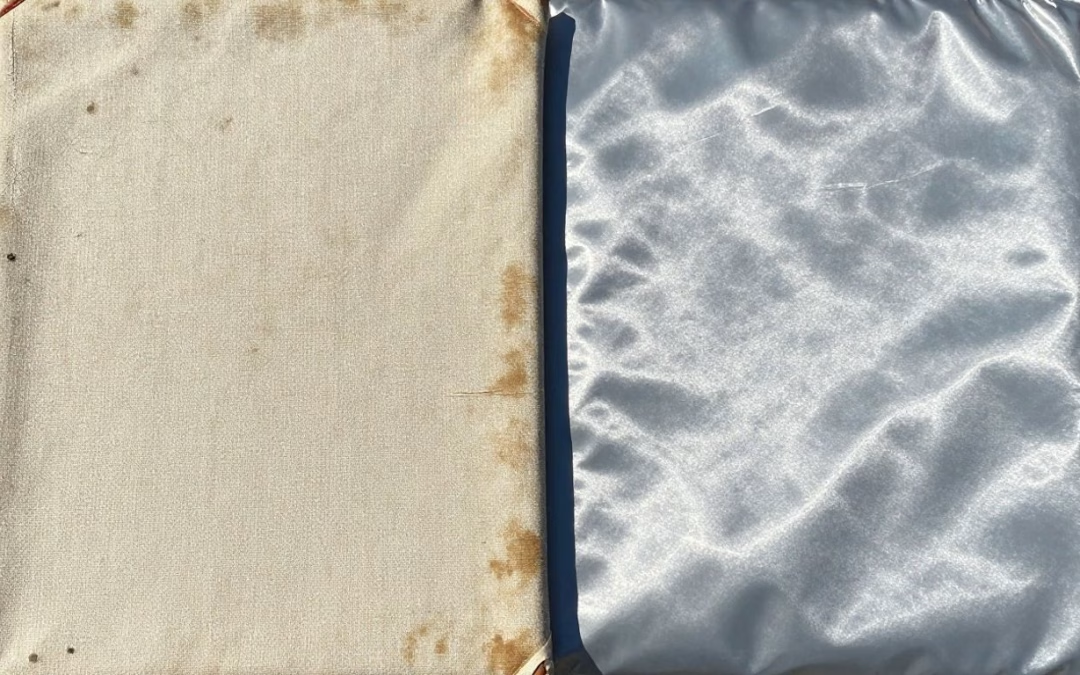
Choosing between canvas and polyester for outdoor covers depends on what you need them to do. Here’s a quick rundown to help you decide.
Key Takeaways
- Polyester is often a budget-friendly pick that’s good at resisting water and UV rays, making it great for general outdoor use.
- Traditional canvas, made from natural fibers, is strong and can be breathable, but it might need more upkeep and isn’t as good with moisture.
- For areas with lots of sun, look for fabrics with strong UV protection to prevent fading and damage.
- In wet or humid places, materials that don’t hold water or resist mold and mildew are super important.
- The best cover fits well and is made from a material suited to your specific climate and how you’ll use it.
Understanding The Core Materials For Outdoor Covers
When you’re looking for something to protect your outdoor gear, furniture, or vehicles, the material of the cover really matters. It’s not just about throwing a sheet over something; the fabric itself plays a huge role in how well it does its job and how long it lasts. We’re going to break down the two main players: polyester and traditional canvas.
Polyester Canvas: A Synthetic Powerhouse
Polyester is a synthetic fiber that’s become super popular for outdoor covers, and for good reason. It’s tough, it doesn’t stretch out easily, and it holds up well against things like mold and mildew. Plus, it’s pretty lightweight, which makes it easier to handle. You’ll often see it advertised with terms like "600D polyester," which refers to its thickness and durability. Higher "D" numbers generally mean a stronger fabric. Some higher-end polyester fabrics are "solution-dyed," meaning the color is infused into the fibers before they’re made into fabric. This makes them much better at resisting fading from the sun. It’s a really versatile material that works for a lot of different outdoor needs, from furniture covers to tarps. For a good balance of cost and performance, polyester is a solid choice.
Traditional Canvas: Natural Fibers and Their Properties
Traditional canvas is made from natural fibers, most commonly cotton. It’s known for being breathable, which can be a big plus in certain situations. Because it lets air move through, it can help prevent moisture buildup that can lead to rust or mold on the items underneath. However, natural canvas isn’t as naturally resistant to water or UV rays as polyester. It can also be heavier and more prone to mildew if it stays wet for too long. To make it more suitable for outdoor use, canvas is often treated with waxes or special coatings, like PU (polyurethane), to improve its water resistance and durability. This treatment helps it stand up better to the elements, making it a good option for year-round outdoor exposure when treated properly.
The key takeaway here is that both materials have their strengths. Polyester often wins on pure toughness and resistance to the elements straight out of the bag, while canvas, especially when treated, offers breathability that can be beneficial. Your specific needs will dictate which one is the better fit.
Here’s a quick look at some general properties:
- Durability: Both can be very durable, but high-denier polyester often has an edge in tear resistance.
- Water Resistance: Treated canvas and coated polyester offer good water resistance. Untreated natural canvas will absorb water.
- UV Resistance: Solution-dyed polyester and treated canvas are best for sun protection. Basic canvas can degrade faster.
- Breathability: Natural canvas is generally more breathable than polyester.
- Weight: Canvas tends to be heavier than polyester.
Key Performance Factors In Outdoor Cover Materials
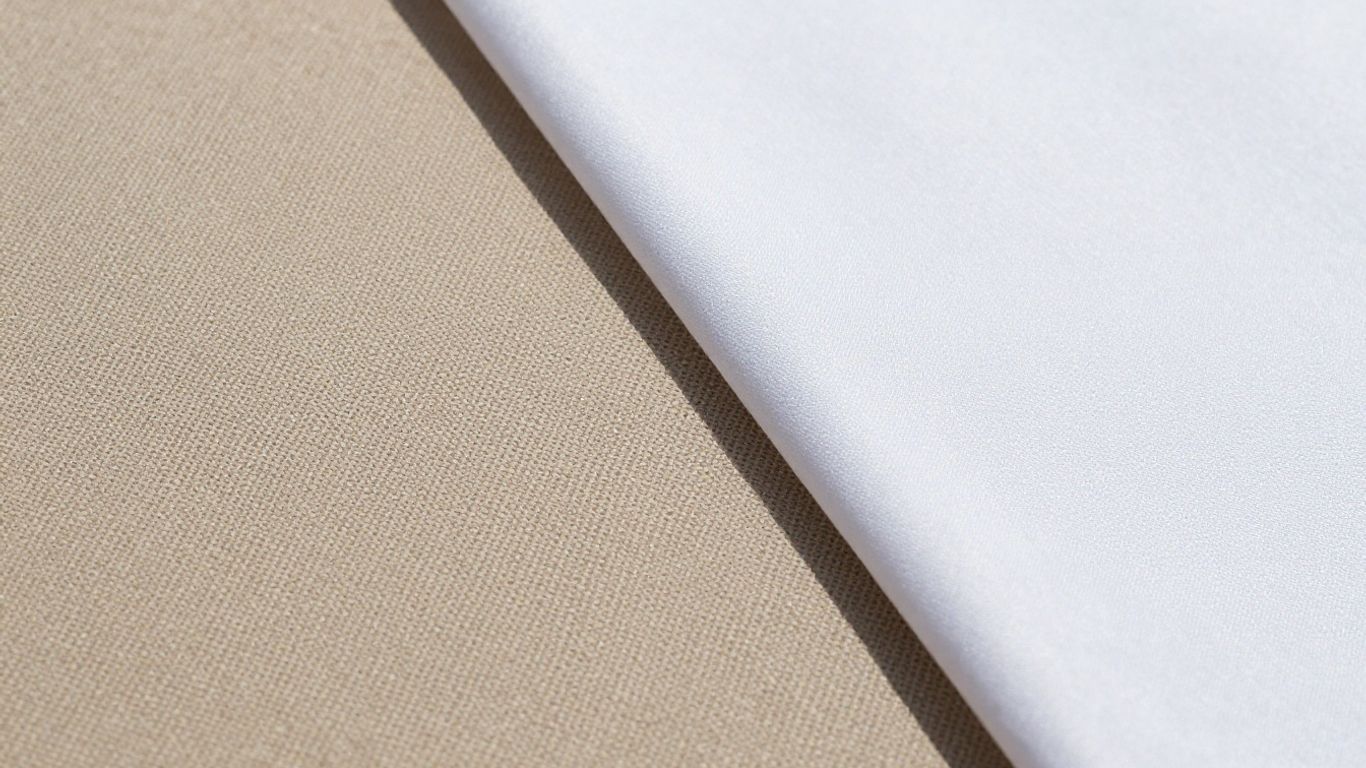
When you’re picking out a cover for your patio furniture, grill, or boat, it’s not just about how it looks. You really need to think about how it’s going to hold up against the elements. Different materials just handle things like sun, rain, and wind in totally different ways. Understanding these differences is the first step to not wasting your money on something that falls apart after one season.
Durability And Strength Comparison
This is all about how tough the material is. Can it take a beating from branches, hail, or just general wear and tear? Polyester, especially the heavier denier (like 600D or higher), is pretty strong for its weight and cost. It’s often used for universal covers because it’s reliable. Canvas, on the other hand, especially a tightly woven one, can be incredibly strong and resistant to punctures. Think of it like this: polyester is like a sturdy work shirt, while a good canvas is more like a heavy-duty jacket. For really demanding situations, like covering industrial equipment or a boat that’s constantly exposed, you might even look at vinyl-coated polyester or specialized marine-grade canvas. These are built to last.
Water Resistance And Moisture Management
Nobody wants their stuff getting soaked, right? This is where materials really show their differences. Some polyesters are coated to be waterproof, which is great for rainy climates. However, if they don’t have vents, moisture can get trapped underneath, leading to mold or rust. Traditional canvas is often more breathable. While it might not be completely waterproof on its own, it can be treated or coated. A PU (polyurethane) coating on canvas helps a lot with water resistance while still letting some air through. It’s a balancing act. For areas with constant rain, you’ll want something that actively repels water, like coated polyester or vinyl, and make sure it has good seams that are sealed.
UV Protection And Color Retention
Sun is a major enemy of outdoor fabrics. Those harsh UV rays can break down fibers, making them brittle and faded. This is where solution-dyed materials shine. In this process, the color is added to the polyester fibers before they are spun into yarn. This means the color is locked in. Canvas can also be treated for UV resistance, but the way polyester is dyed often gives it an edge here, especially for long-term exposure. If your cover is going to be in direct sun all day, every day, you’ll want to look for fabrics with high UV ratings, often measured in hours of exposure before significant degradation. Solution-dyed acrylics are a top choice for this reason, often used in high-end marine applications.
Choosing the right material isn’t just about picking the strongest or the most waterproof. It’s about finding the best fit for your specific environment and what you’re covering. A cover that’s great in a dry, sunny climate might not be the best pick for a damp, shady spot.
Application-Specific Suitability For Canvas Vs Polyester
When you’re picking out a cover for something outdoors, it’s not a one-size-fits-all situation. Different items need different kinds of protection, and that’s where knowing your materials really comes in handy. Let’s break down which fabric works best for what.
Best Choices For Marine And Boating Needs
For anything that spends time on or near the water, you need a material that can handle salt, sun, and spray. Polyester canvas is a real winner here. It doesn’t get ruined by saltwater like some other fabrics, and it holds up well against the constant beating from the sun. Think boat covers, sail covers, or even bimini tops. These need to be tough and resist mildew, which polyester is pretty good at. Natural canvas, while it might look nice, can get heavy when wet and is more prone to rot and mildew in a damp marine environment.
- Saltwater Resistance: Polyester doesn’t corrode or break down easily from salt.
- UV Protection: Keeps the fabric from getting brittle and cracking under the sun.
- Mildew Resistance: Less likely to grow mold and mildew, which is a big plus near water.
- Water Repellency: Water beads off, keeping your boat or gear drier.
For marine applications, the ability to shed water and resist UV damage is paramount. Polyester’s synthetic nature gives it a distinct advantage in these demanding conditions, often outperforming natural fibers.
Ideal Materials For Furniture And Awnings
Outdoor furniture and awnings face a lot of sun and weather. Polyester canvas is a top pick because it’s really good at resisting fading. You know how some things left outside just turn a sad, washed-out color? Polyester fights that battle pretty well. It also doesn’t soak up water like a sponge, so your furniture covers won’t stay soggy for days after a rain shower. This also means they dry faster and are less likely to develop that musty smell. For awnings, this means they can provide shade and protection for a long time without looking worn out too quickly. You can find some great polyester outdoor furniture covers that really last.
Heavy-Duty Tarps And Industrial Cover Applications
When you need something really tough, like for covering equipment on a construction site, protecting goods in transit, or even for agricultural uses, polyester canvas is often the go-to. It’s strong, resists tearing, and can handle rough conditions. Unlike natural canvas, it won’t shrink or stretch out of shape when it gets wet or dries out. This makes it super reliable for keeping things protected from the elements, no matter how harsh. For a grill cover, for instance, a good standard polyester will offer solid protection against sun and moisture.
| Application Type | Recommended Material | Key Benefits |
|---|---|---|
| Boat Covers | Polyester Canvas | Saltwater resistance, UV protection, mildew resist |
| Patio Furniture Covers | Polyester Canvas | Fade resistance, water repellency, durability |
| Awnings | Polyester Canvas | UV protection, water resistance, color retention |
| Industrial Tarps | Polyester Canvas | Tear strength, abrasion resistance, weather proof |
| Heavy-Duty Bags/Gear | Polyester Canvas | Durability, abrasion resistance, water resistance |
Environmental Considerations And Maintenance
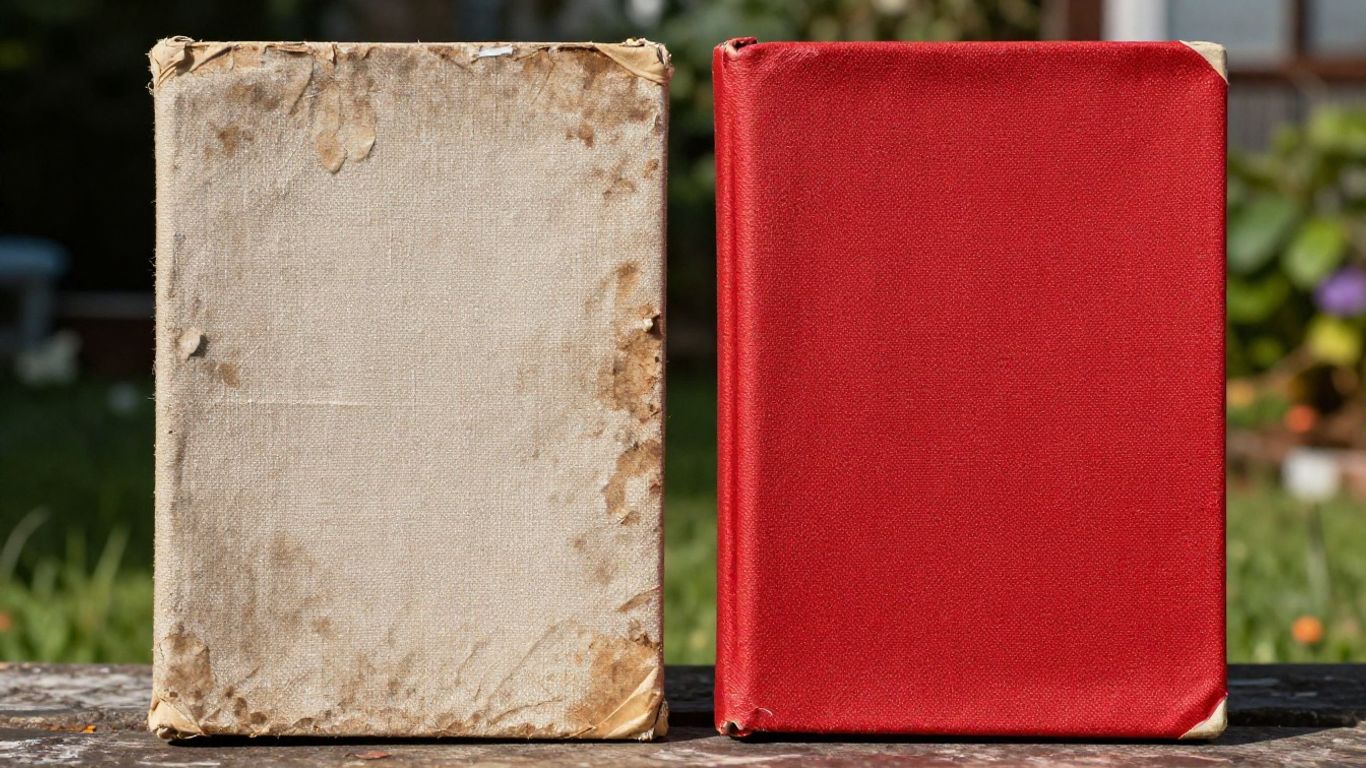
When you’re picking out covers for your outdoor gear, it’s not just about how well they’ll hold up against the weather. We also need to think about how they’re made and how easy they are to take care of. It’s about making smart choices that last longer and are kinder to the planet.
Ease of Cleaning and Care
Let’s be real, nobody wants a cover that’s a pain to clean. Polyester canvas generally wins here. It doesn’t soak up water like traditional canvas, so it dries faster. A good scrub with some mild soap and water usually does the trick for most dirt and grime. You can even use a soft brush for tougher spots. Just remember to let it air dry completely before you put it away, especially if you’re storing it. This helps stop any mold or mildew from setting in.
Traditional canvas, being a natural fiber, can be a bit more work. It’s more prone to mildew if it stays damp, and sometimes stubborn stains can be harder to lift. While it’s breathable, which is good for preventing condensation, it also means it can absorb more moisture from the environment.
Here’s a quick rundown:
- Polyester Canvas: Dries quickly, resists mildew better, generally easier to wipe clean.
- Traditional Canvas: Can hold onto moisture longer, might need more effort for stain removal, susceptible to mildew if not dried properly.
Sustainability and Recycled Options
This is where things get interesting. Polyester is a synthetic material, meaning it comes from petrochemicals. That doesn’t sound super eco-friendly, right? But here’s the thing: there’s a growing movement towards recycled polyester. Companies are now making polyester canvas from old plastic bottles and other post-consumer waste. This process uses less energy and keeps plastic out of landfills. So, you can get a cover that’s tough and durable, but also made from recycled stuff.
Traditional canvas, often made from cotton, is biodegradable. That’s a plus. However, growing conventional cotton can use a lot of water and pesticides. Organic cotton options are better, but they can be more expensive. When you’re looking at the whole picture, a well-made, long-lasting polyester cover, especially one made from recycled materials, can actually be a more sustainable choice than a natural fiber one that needs replacing more often.
The lifespan of your outdoor cover is a major environmental factor. A product that lasts for many years, even if made from synthetic materials, can have a lower overall environmental footprint than a natural fiber product that degrades quickly and needs frequent replacement. Choosing durable materials and maintaining them properly are key to reducing waste.
When considering materials, think about their entire lifecycle. While acrylic fabric might seem durable, it’s non-biodegradable and hard to recycle, plus it can release microfibers. For patio furniture, coated polypropylene is often a good choice because it’s designed to last and resist the elements well, reducing the need for frequent replacements.
Making The Right Choice For Your Outdoor Cover Needs
So, you’ve been looking at covers, and now it’s time to actually pick one. It can feel a bit overwhelming with all the options, right? But really, it boils down to a few key things: your budget, how long you need it to last, and what kind of weather it’s going to face.
Budget-Friendly Protection With Polyester
If you’re trying to keep costs down, polyester is usually the way to go. It’s a synthetic material that’s pretty tough and doesn’t cost a fortune. For things like patio furniture or even a grill that you don’t use every single day, a good quality polyester cover can do a decent job. It’s a solid choice for mild climates or if you’re planning on storing your items away during the harsher months. Think of it as a good starter cover that offers basic protection without breaking the bank. You can find some really affordable options that still get the job done for occasional use. For marine applications, polyester fabric is a durable and budget-friendly option, especially in milder climates or when seasonal storage is planned.
Long-Term Performance With Canvas
Now, if you’re looking for something that’s going to stand up to the elements for years, canvas is often the better bet. Traditional canvas, made from natural fibers, has a certain breathability that can be good for preventing moisture buildup underneath. Plus, when treated, it can be really resistant to UV rays and mold. It’s a bit pricier upfront, but the longevity can make it more cost-effective in the long run, especially for items you want to protect year-round. For built-in grills or outdoor kitchen setups that are permanent fixtures, custom canvas is a top recommendation because it’s built to handle constant exposure while looking good.
Matching Fabric To Climate And Usage
Ultimately, the best material depends on your specific situation. Here’s a quick rundown:
- High UV / Hot Climates: Look for canvas or solution-dyed acrylic. These materials are built to resist sun damage and fading, so they won’t fall apart after just one summer.
- Heavy Rain Regions: Coated polyester or vinyl with sealed seams is your best bet. You want something truly waterproof, not just water-resistant, when you’re dealing with constant wetness. PVC-coated polyester fabric offers excellent strength and waterproofing, making it ideal for areas exposed to rain or snow.
- Humid Environments: Canvas with a mold treatment is a good balance. Avoid covers that trap moisture, as this can lead to mildew and rust.
- Occasional Use / Mild Climates: Standard polyester (like 600D or higher) is a cost-effective choice that provides adequate protection.
Remember, a cover that fits perfectly will always perform better than a fancier material that’s too loose or too tight. Always prioritize accurate measurements when you’re shopping around. A snug fit prevents wind damage and keeps the cover doing its job effectively.
When you’re deciding, think about what you’re covering, where it lives, and what the weather is usually like. It’s not just about the fabric itself, but how it holds up to your specific needs. Getting this right means your outdoor gear will last a lot longer.
Conclusion
So, when it comes down to picking the right stuff for your outdoor covers, it’s not really about one being ‘the best’ for everything. Polyester canvas is a solid choice if you need something tough that can handle rain and sun without breaking the bank. It’s great for everyday stuff like furniture covers or tarps. Traditional canvas, on the other hand, might be your go-to if you’re looking for something breathable and maybe a bit more natural-looking, though it needs more care. Think about where you live, what you’re covering, and how much you want to spend. Getting the fabric that fits your needs means your cover will last longer and do its job better, keeping your things protected from whatever the weather throws at them.
Frequently Asked Questions
What’s the main difference between canvas and polyester for outdoor covers?
Think of polyester as a tough, synthetic material that’s really good at fighting off water and sun damage. Traditional canvas is made from natural stuff, like cotton, which is strong but can soak up water and might fade faster.
Is polyester canvas good for covering my patio furniture?
Yep, polyester canvas is usually a great choice for patio furniture covers. It holds up well against rain and sun, and it’s pretty easy to clean if it gets dirty.
Will canvas covers fade in the sun?
Canvas can fade over time if it’s left out in direct sunlight a lot. Some types of canvas are treated to resist fading better, but polyester often does a better job of keeping its color for longer.
Which material is better if I live somewhere really rainy?
For rainy places, you’ll want something that’s really waterproof. Coated polyester or even vinyl can be good options because they help keep moisture out. Natural canvas can get heavy when wet and might not dry as quickly.
Can I use polyester for heavy-duty tarps?
Absolutely. Polyester is known for being strong and durable, so it’s a popular choice for heavy-duty tarps used in construction or for covering equipment. It can handle rough use pretty well.
Is one material easier to clean than the other?
Generally, polyester is simpler to clean. You can often just wipe it down with soap and water. Natural canvas might need a bit more care, especially if it’s treated or dyed.