
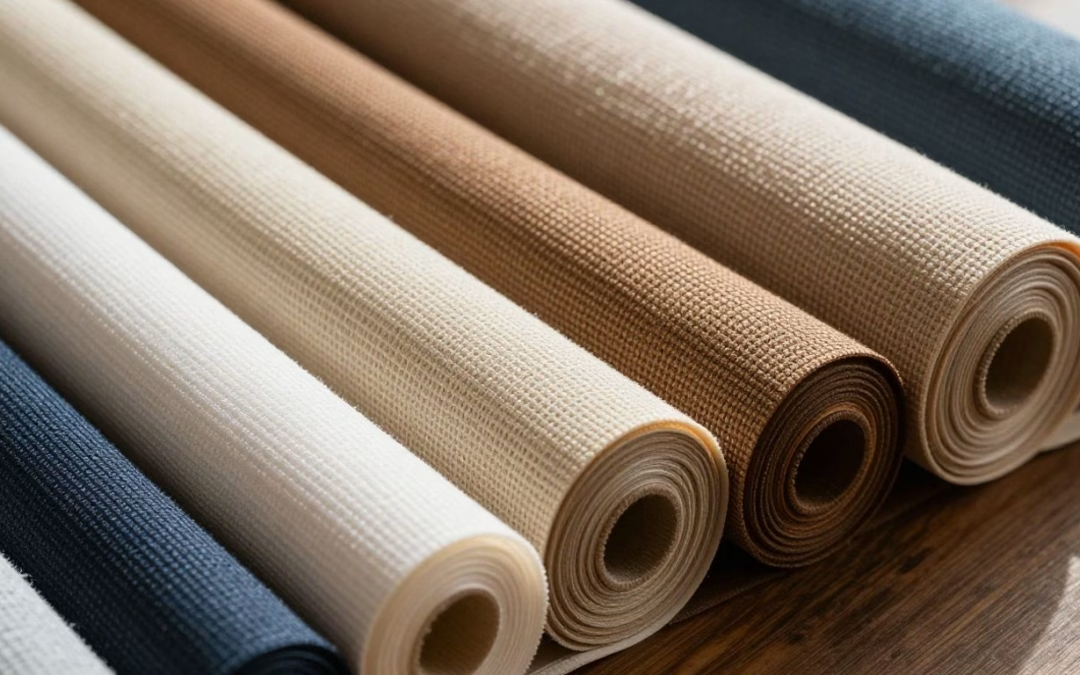
Here are the main things to remember when you’re looking for elastic webbing for your furniture projects in South Africa.
Key Takeaways
- Elastic webbing adds flexibility and comfort to furniture, making it a great choice for upholstery.
- You can find elastic webbing from online stores that focus on upholstery supplies, local fabric shops, and specialized webbing makers.
- When buying, consider how strong the webbing needs to be, its stretchiness, and the width and length you require.
- Delivery options vary, with many suppliers offering nationwide services, but check for costs and any free delivery deals.
- Proper installation and care will help your elastic webbing last longer and keep your furniture looking good.
Where To Find Elastic Webbing For Furniture South Africa
So, you’re looking to buy some elastic webbing for a furniture project here in South Africa? It’s a pretty common need for anyone looking to give their chairs or sofas a bit of a refresh, or even for building something new from scratch. Elastic webbing is fantastic because it gives that comfortable springiness without being too stiff. Finding the right supplier is key to getting good quality webbing that will last.
Understanding Elastic Webbing For Furniture
Elastic webbing, often called stretch webbing, is basically a strong, flexible band made from woven synthetic fibers, usually with rubber threads woven in. This gives it that give and bounce. It’s different from regular webbing, like jute or polyester, which is much firmer and used more for structural support. Think of elastic webbing as the stuff that makes your sofa cushions feel comfy and supportive, or the back of your office chair have a bit of give. It’s designed to stretch and then return to its original shape, time and time again. This makes it ideal for areas that need both support and a bit of flexibility.
Benefits Of Elastic Webbing In Upholstery
Using elastic webbing in your upholstery projects brings a few nice advantages. For starters, it adds a layer of comfort that you just don’t get with firmer materials. It helps to distribute weight evenly, which can make seating feel much more pleasant, especially if you’re going to be sitting there for a while. Plus, it’s really durable. Because it’s designed to stretch and snap back, it holds up well against regular use without sagging or losing its shape too quickly. This means your furniture will feel good for longer. It’s also quite versatile; while it’s great for chairs and sofas, you might see it used in things like car seats or even some types of outdoor gear where flexibility is needed.
Choosing The Right Elastic Webbing
When you’re picking out elastic webbing, there are a few things to think about. First off, consider the stretch capacity. Some webbing has more give than others, and you’ll want to match that to what your furniture piece needs. A chair back might need a different kind of stretch than a seat cushion. You’ll also need to think about the width and length. Webbing comes in various widths, and you’ll need enough length to cover your project. It’s usually sold by the meter or in rolls. Don’t forget to check the material composition; most good quality elastic webbing will have a good percentage of rubber for that essential elasticity.
When selecting elastic webbing, consider the specific demands of your furniture project. A higher rubber content generally means better stretch and recovery, but might be less durable over very long periods compared to webbing with a balanced blend. Always check product descriptions for details on stretch percentage and recommended applications.
Suppliers Of Elastic Webbing For Furniture In South Africa
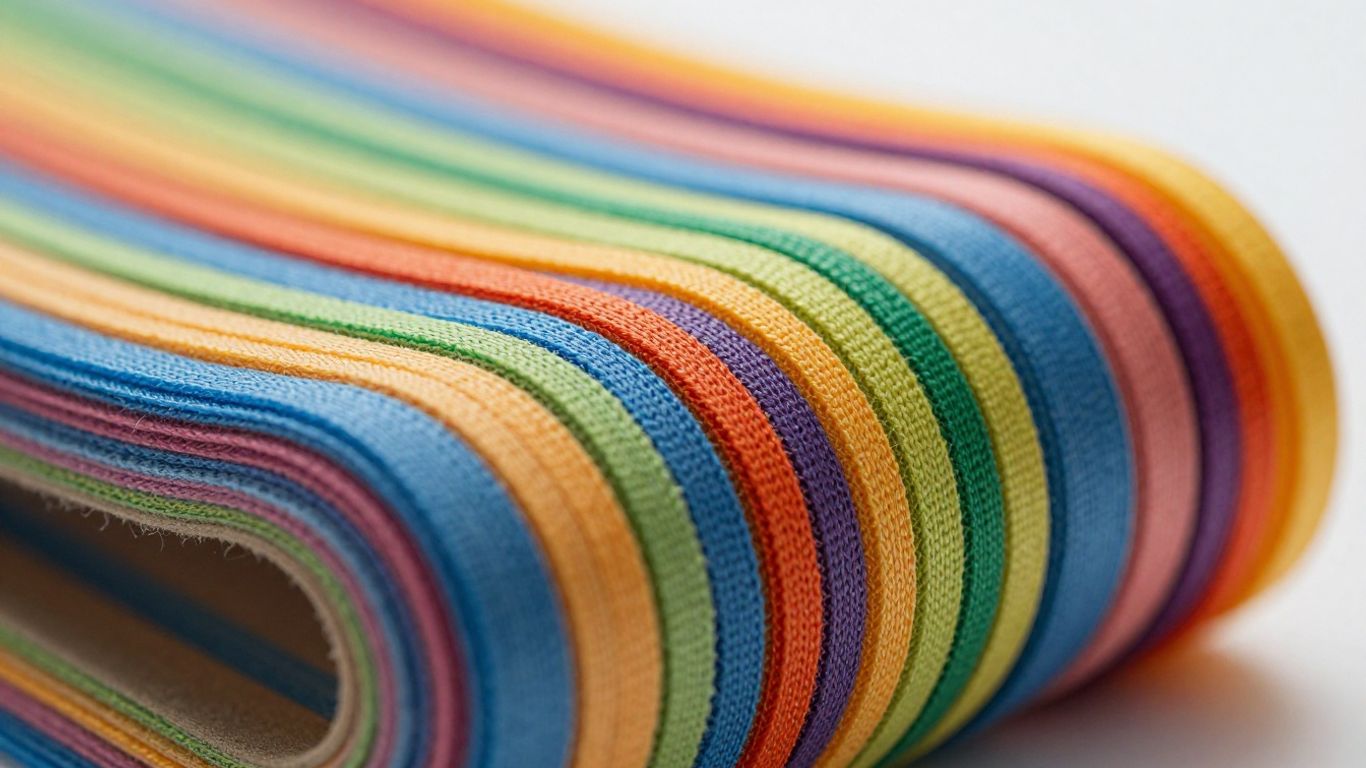
Finding the right elastic webbing for your furniture projects in South Africa is key to a successful and lasting repair or creation. Luckily, there are several avenues you can explore, from specialized online stores to local shops.
Online Retailers Specializing In Upholstery Supplies
For a wide selection and the convenience of home delivery, online retailers are a fantastic starting point. These businesses often stock a variety of elastic webbing types, widths, and lengths, catering specifically to the upholstery and furniture repair market. You can often find detailed product descriptions, including stretch capacity and suitability for different furniture types. Many of these sites also offer helpful guides or FAQs to help you choose the best product for your needs. It’s a good idea to compare prices and shipping costs across a few different online stores before making your final decision. Some popular options might include dedicated upholstery supply websites or larger online marketplaces that feature specialized sellers.
Local Fabric And Haberdashery Stores
Don’t underestimate the value of your local fabric and haberdashery stores. While their selection might not be as extensive as online specialists, they often carry good quality elastic webbing suitable for furniture. Plus, you get the advantage of seeing and feeling the material before you buy, and you can chat with the staff who might have practical advice. These stores are great for smaller projects or when you need webbing in a pinch. You might find options like 2-inch wide elastic strap that are perfect for chair repairs.
Specialty Webbing Manufacturers
If you have a large project or very specific requirements, you might consider going directly to a specialty webbing manufacturer. These companies produce webbing for a wide range of applications, and some will cater to custom orders. This route can be more cost-effective for bulk purchases and ensures you’re getting exactly what you need. They can often provide detailed technical specifications and advice on the best webbing for your furniture’s intended use. While this might seem like a more industrial approach, many manufacturers are happy to work with individual crafters and small businesses.
When sourcing elastic webbing, always check the product details for its intended use. Some webbing is designed for lighter applications, while others are built to withstand significant weight and constant stretching, which is vital for furniture support.
Key Considerations When Purchasing Elastic Webbing
So, you’re ready to get your hands on some elastic webbing for your furniture project. That’s great! But before you click ‘buy’ or head to the store, there are a few things you should really think about. It’s not just about grabbing any old roll; getting the right kind makes a huge difference in how your furniture turns out and how long it lasts.
Durability and Stretch Capacity
When you’re looking at elastic webbing, pay close attention to how tough it is and how much it can stretch. You want something that can handle the constant pressure of people sitting on it without losing its shape or snapping. Think about the material – is it a good quality latex blend, or something that might degrade quickly?
- High-quality blends tend to offer better elasticity and longevity.
- Consider the weight capacity the webbing can support.
- Look for webbing that has been tested for repeated stretching.
The best elastic webbing will bounce back to its original shape after being stretched, time and time again. This is what gives your furniture that comfortable, supportive feel that doesn’t sag after a few months.
Width and Length Requirements
Elastic webbing comes in different widths, and the width you need really depends on the furniture piece you’re working on. For instance, wider webbing might be better for larger seating areas, providing more even support. You also need to figure out how much you’ll need. It’s always better to have a little extra than to run out halfway through your project. Some places sell it by the meter, while others offer rolls, like this 40-foot roll of 2-inch wide elastic webbing which is handy for bigger jobs.
Here’s a quick rundown:
- Narrower widths (e.g., 25mm): Good for smaller chairs or decorative elements.
- Medium widths (e.g., 38mm): A good all-rounder for most seating.
- Wider widths (e.g., 50mm+): Best for larger sofas or areas needing maximum support.
Price and Bulk Discounts
Of course, price is always a factor. You’ll find that prices can vary quite a bit depending on the supplier and the quality of the webbing. Don’t just go for the cheapest option; remember that quality often means a higher price tag, but it’s usually worth it in the long run. Many suppliers offer discounts if you buy in larger quantities, which can be a real money-saver if you’re doing multiple pieces or a big restoration project. For example, some places offer free standard delivery on orders over R2500.00, which is a nice perk.
Buying in bulk can significantly reduce the per-meter cost, making larger projects more budget-friendly. Always compare prices from different suppliers, but factor in shipping costs and the overall quality of the material when making your decision. Sometimes, a slightly higher upfront cost for better webbing saves you money on repairs down the line.
When you’re shopping around, keep these points in mind. It’ll help you find webbing that not only fits your project but also your budget and expectations for a long-lasting, comfortable piece of furniture.
Delivery Options For Elastic Webbing In South Africa
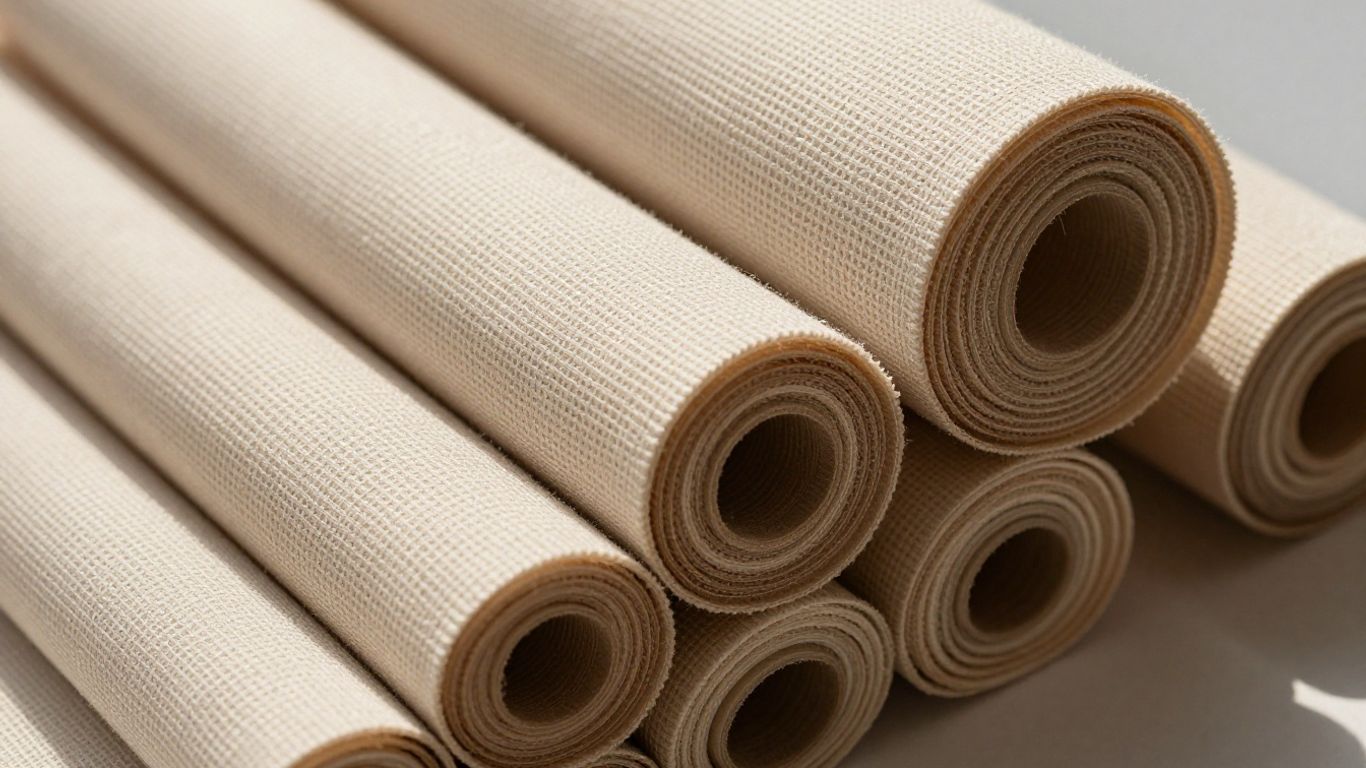
So, you’ve found the perfect elastic webbing for your furniture project, but how do you get it to your doorstep? Don’t worry, South Africa has a pretty good network for getting these supplies to you, whether you’re in a big city or a smaller town.
Nationwide Delivery Services
Most suppliers, especially the larger online retailers, will ship their elastic webbing all across the country. This is super convenient because it means you’re not limited to just what’s available in your immediate area. You can order from a specialist supplier in, say, Johannesburg, and have it delivered to your home in Cape Town or even further afield. It’s worth checking the supplier’s website for their specific delivery zones, but generally, if they’re a national online store, they’ll cover most of South Africa. Some places even offer a range of shipping speeds, so if you’re in a hurry, you might be able to pay a bit extra for faster delivery.
Regional Delivery Charges
Delivery costs can really add up, so it’s smart to look into this before you commit to an order. Often, there’s a flat rate for deliveries within a specific province or region. For example, a supplier might charge R165.00 for delivery anywhere within KwaZulu-Natal for orders under R2500.00. However, if you’re ordering from outside that immediate region, the cost might be different, perhaps R195.00 for nationwide delivery on smaller orders. It’s a good idea to have a look at a table of their shipping fees, if they provide one, to get a clear picture.
| Order Value | Delivery Area | Cost |
|---|---|---|
| Under R2500.00 | KwaZulu-Natal | R165.00 |
| Under R2500.00 | Nationwide | R195.00 |
| R2500.00 and over | Nationwide | Free |
Free Delivery Thresholds
This is where you can really save some money, especially if you’re stocking up. Many suppliers offer free standard delivery once your order reaches a certain amount. For instance, if you spend R2500.00 or more, your elastic webbing could be delivered to your door anywhere in South Africa at no extra charge. This is a great incentive to buy a bit more than you initially planned, perhaps getting a full roll of 25mm black polypropylene webbing if you know you’ll use it for future projects, rather than just a meter or two.
Always double-check the specific terms and conditions for delivery. Sometimes,
Tips For Using Elastic Webbing In Furniture Projects
Proper Installation Techniques
Getting elastic webbing installed right is pretty important if you want your furniture to feel good and last a while. You don’t want it sagging or feeling weirdly tight, right? First off, make sure you’re using the right kind of webbing for the job. Some are stretchier than others, and you need one that matches the support you’re going for. When you attach it, pull it taut, but not so much that it’s straining. Think of it like stretching a rubber band – you want it firm, but not about to snap. Using a staple gun with heavy-duty staples is usually the way to go. Space your staples evenly, about an inch apart, to distribute the tension. Overlapping the ends slightly where they meet can also add extra strength. If you’re working on a chair or sofa frame, make sure the webbing runs perpendicular to the direction of the most pressure. For example, on a seat, you’d typically run the straps front to back, and then weave them through side to side. This creates a solid base. It’s a bit like weaving a basket, actually. A good starting point for tension is to have the webbing give just a little when you press down firmly with your hand. You can always add a bit more tension if needed, but it’s harder to loosen it up once it’s stapled down tight. Remember, consistent tension across all the straps is key for even support and comfort. For really heavy-duty applications, consider something like this 25mm beige C36 webbing, which is known for its strength.
Maintaining Elasticity Over Time
Elastic webbing is great because it bounces back, but even the best stuff can lose its spring if not cared for. The biggest enemy of elasticity is constant, extreme tension or exposure to things that break down the fibers. If you’ve got a piece of furniture that’s always got someone sitting on it, or maybe it’s in direct sunlight all day, the webbing might wear out faster. Try to avoid overloading your furniture beyond its intended capacity. It’s tempting to cram a few extra people onto the sofa for movie night, but it’s not ideal for the webbing. Regular cleaning is also a good idea. Dust and grime can get into the fibers and make them stiff over time. A gentle vacuuming every now and then can help. If you do need to clean it, use a mild soap and water, and make sure it dries completely before it’s used again. Avoid harsh chemicals or solvents, as these can degrade the elastic material. For furniture that might be exposed to the elements, like outdoor patio chairs, using webbing that’s specifically designed for outdoor use is a smart move. It’ll resist UV rays and moisture better. Think about how you might restore your couch in Pretoria if it starts to look tired; taking care of the webbing is part of that. Proper care means your furniture will feel comfortable for much longer.
Creative Applications For Furniture
Beyond just the standard seat support, elastic webbing can be used in some pretty neat ways in furniture projects. It’s not just for sofas and chairs, you know. Think about headboards – you could create a really cool, modern look by stretching webbing across a frame and then attaching fabric or even decorative elements over it. It gives a bit of a padded feel without needing thick foam. Ottomans are another great candidate. You can create a really comfortable, slightly yielding surface by weaving elastic webbing across the frame before adding the cushion. It adds a nice bit of give. Even smaller items can benefit. Consider using it for the base of a pet bed, giving your furry friend a comfy, supportive spot that’s easy to clean. Or maybe for a bench in an entryway – it adds a modern touch and a bit of flex. Some people even use it for decorative wall panels, creating textured surfaces. The key is to think about where a bit of flexible support or a unique texture could make a difference. It’s a versatile material that can really add a unique flair to your DIY furniture creations.
Conclusion
Getting the right elastic webbing for your furniture projects in South Africa is totally doable. Whether you’re shopping online or checking out local stores, there are plenty of options. Remember to think about what you need in terms of strength and size, and always check delivery details. With the right webbing, your furniture will look great and feel comfortable for ages.
Frequently Asked Questions
What is elastic webbing used for in furniture?
Elastic webbing is used under the cushions of chairs and sofas. It gives a bouncy, comfy feel and helps spread out your weight evenly, so it’s more comfortable to sit on for a long time. It’s like a stretchy support system for your furniture.
Where can I buy elastic webbing for furniture in South Africa?
You can find elastic webbing for furniture in South Africa from online shops that sell upholstery stuff, local fabric stores, and sometimes from companies that make webbing specifically. It’s good to check a few places to find the best fit for you.
What’s the difference between elastic webbing and regular webbing?
Regular webbing, like jute, is usually firmer and provides a more solid base. Elastic webbing, on the other hand, has stretch to it. This stretch makes furniture feel more flexible and adds an extra layer of comfort, especially for seating.
How do I know what size elastic webbing to buy?
Think about the furniture piece you’re working on. Wider webbing might be better for larger seats, while narrower types could work for smaller areas. It’s also important to consider how much stretch you need. Some suppliers list the width in millimeters, like 25mm, 38mm, or 50mm.
Can I get elastic webbing delivered anywhere in South Africa?
Yes, most suppliers offer delivery across South Africa. Some might have different prices for different regions, and often there’s a minimum order amount to get free delivery. It’s always a good idea to check their shipping policy.
How do I make sure the elastic webbing lasts a long time?
To keep your elastic webbing in good shape, install it correctly according to instructions. Avoid putting too much weight on one spot if possible, and try not to expose it to harsh chemicals or extreme heat. Proper care helps it keep its stretch and support.