
Key Takeaways
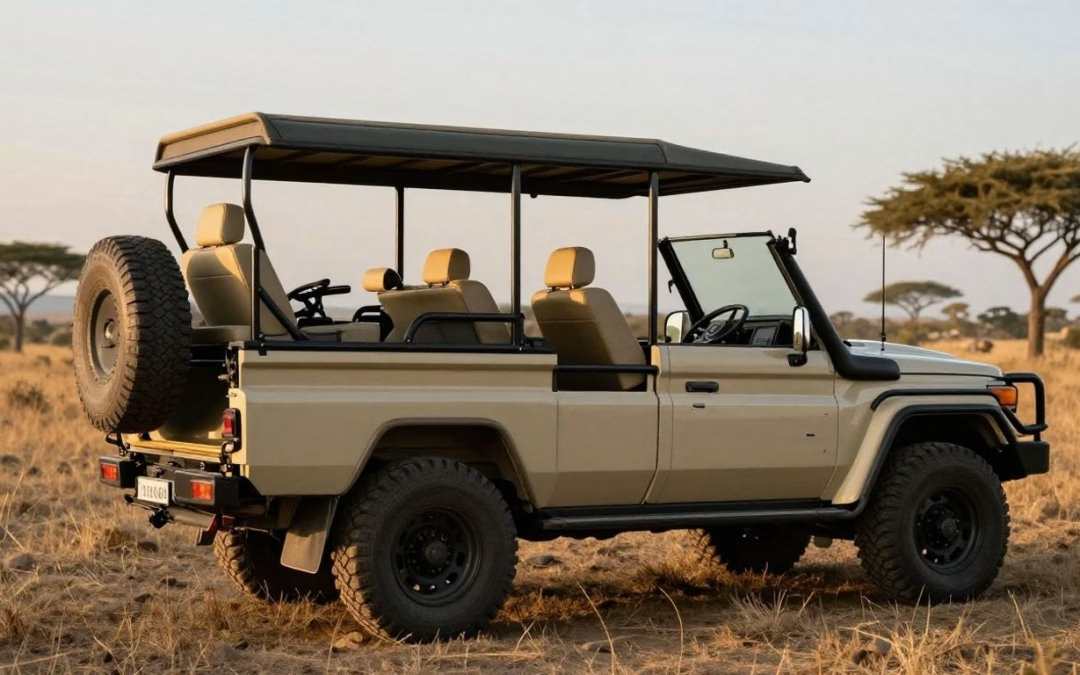
Equipping vehicles for wildlife observation requires balancing rugged material durability with long-term passenger comfort and safety standards. This guide outlines the essential considerations for selecting and maintaining high-quality seating in safari environments.
- Select UV-resistant and breathable upholstery for extreme outdoor exposure.
- Prioritize structural integrity with reinforced mounting frames for rough terrain.
- Implement elevated seating configurations to optimize wildlife viewing angles for all passengers.
- Utilize high-density foam to provide consistent support and minimize vibration transfer.
- Establish a proactive maintenance schedule to prevent corrosion and extend component lifespan.
Choosing the right materials for game viewer seats
Selecting the appropriate base materials for your fleet is the primary step in ensuring long-term operational success in the bush. High-traffic environments demand materials that can withstand constant friction, temperature fluctuations, and exposure to environmental debris. By utilizing professional-grade solutions from the Foam and Upholstery Centre, operators ensure their interiors possess the necessary resilience for daily tours.
Marine-grade vinyl versus automotive upholstery
Marine-grade vinyl is frequently preferred for open-sided safari vehicles because of its inherent waterproof properties and ease of cleaning. Unlike standard automotive upholstery, which may absorb moisture and trap odors, high-quality vinyl acts as a barrier against spills, rain, and mud common during off-road excursions.
Breathability in high-temperature environments
Temperature regulation is vital when passengers spend hours seated in direct sunlight. Designers often incorporate textile inserts or semi-perforated vinyl patterns to facilitate airflow between the passenger and the seat surface, preventing discomfort during the hottest midday hours.
Resistance to grit, dust, and UV radiation
Safari vehicles operate in harsh climates where intense UV light causes rapid degradation of inferior materials. Quality seating fabrics must undergo rigorous UV stabilization to prevent brittleness and cracking, while also featuring non-porous surfaces that prevent fine dust from settling deep into the foam substrate.
Cleaning and long-term maintenance requirements
The ability to sanitize seats quickly between morning and afternoon game drives is significant for commercial operators. Maintaining a consistent interior appearance can be simplified by selecting materials compatible with mild pH-neutral cleaners, which prevent premature fiber breakdown while removing persistent red dust build-up.
Essential safety features for safari seating
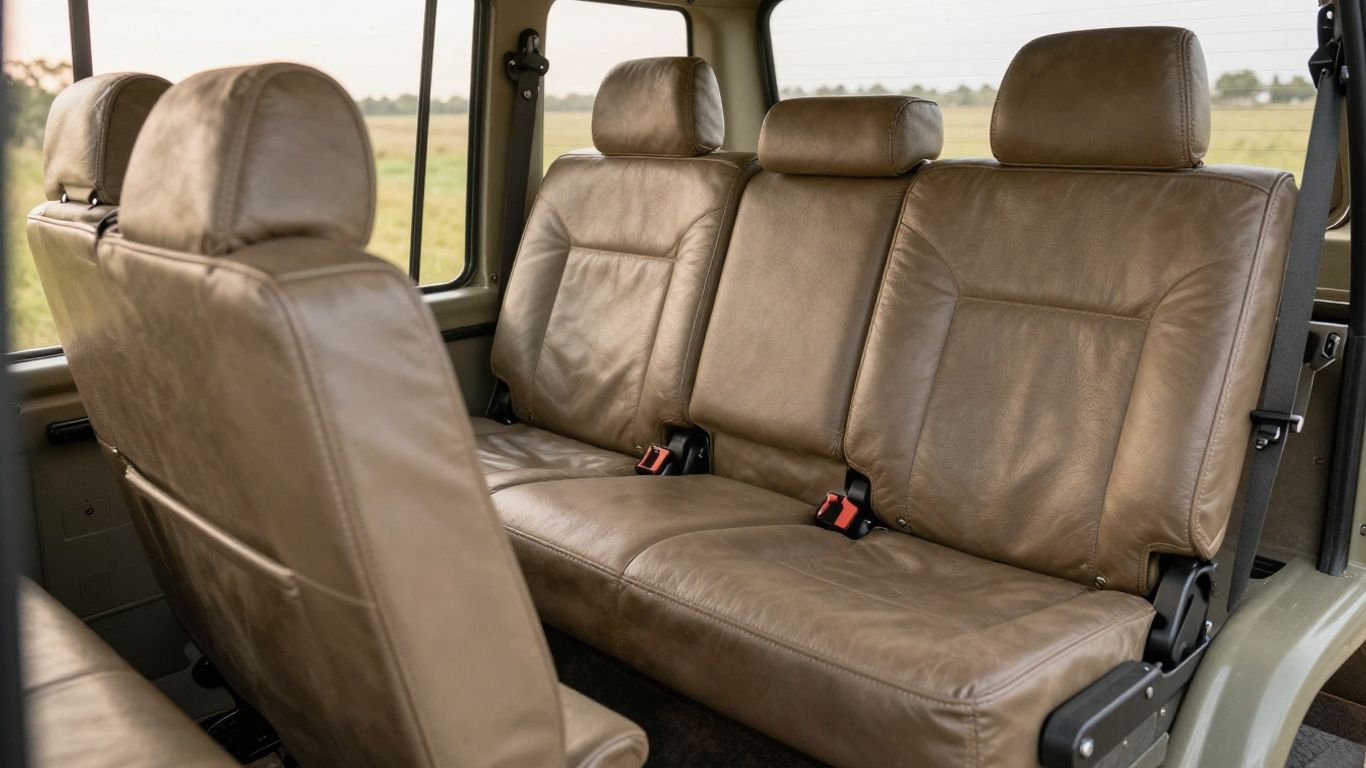
Safeguarding passengers requires more than just comfortable cushions; it demands robust engineering capable of handling the physical stresses of uneven topography. Every seating system must prioritize occupant security through verified mounting techniques that remain effective even after years of heavy usage in rugged landscapes. When sourcing components from the Foam and Upholstery Centre, operators gain access to specialized materials that support these critical safety requirements.
Integrated seatbelt mounting systems
Reliable passenger restraint systems are non-negotiable for any vehicle navigating public or private roads, regardless of terrain. Integrated mounts must be anchored directly to the chassis or a load-bearing frame rather than simply to the seat back or floor, ensuring that restraints function correctly during emergency stops or sudden maneuvers.
Structural reinforcement of the mounting frame
Seat frames are subjected to significant repetitive forces when traversing deep ruts or rocks. We recommend reinforcing contact points to prevent fatigue, ensuring that the structural integrity of the frame remains intact throughout the vehicle’s functional lifespan.
Impact absorption for rough terrain
Effective impact management is achieved by combining solid steel frames with high-performance cushioning materials. The following table illustrates common safety performance indicators for seat frame materials:
| Feature | Performance Metric | Maintenance Interval |
|---|---|---|
| Steel Frame Gauge | 3mm Minimum | Annual Inspection |
| Bolt Tension | 50 Nm | Every 10,000 km |
| Foam Resilience | <5% Compression Loss | Every 24 Months |
Regular checks on these components ensure that seats continue to act as an effective secondary safety system during vibration-heavy transit.
Compliance with off-road passenger safety standards
Adhering to local transport regulations is essential to maintain operator licenses and insurance coverage. Regularly auditing seat installations ensures that all passenger positions meet the required standards for anchorage height and weight-bearing capacity in a commercial context.
Optimizing seating configurations for visibility
Maximizing the wildlife viewing potential is the primary motive behind custom vehicle construction. Properly aligned seating ensures that every passenger benefits from a panoramic experience without leaning over neighbors or obstruction-heavy architecture.
Elevated stadium-style tiering
Stadium-style configurations place rear rows at a higher elevation than the front, effectively clearing lines of sight. This design choice is fundamental for ensuring that tourists in the back row possess the same photographic opportunities as those seated directly behind the guide.
Row spacing to prevent obstruction
Generous legroom serves a dual purpose: comfort and unhindered sightlines during rapid wildlife retreats. By providing sufficient clearance between rows, you reduce the likelihood of a passenger’s head blocking a fellow tourist’s view during critical wildlife encounters.
Directional orientation for wildlife photography
Wildlife viewing often requires quick transitions between left and right sides of the track. Orienting seats slightly toward the perimeter of the vehicle allows passengers to mount cameras and binoculars with minimal physical readjustment.
Space management in custom vehicle builds
Effective space planning involves grouping seating sections to isolate shared storage or infrastructure components. Managing these zones ensures that bulky luggage or camera gear does not occupy valuable foot space, keeping the cabin tidy and efficient for all occupants.
Installation and structural mounting techniques
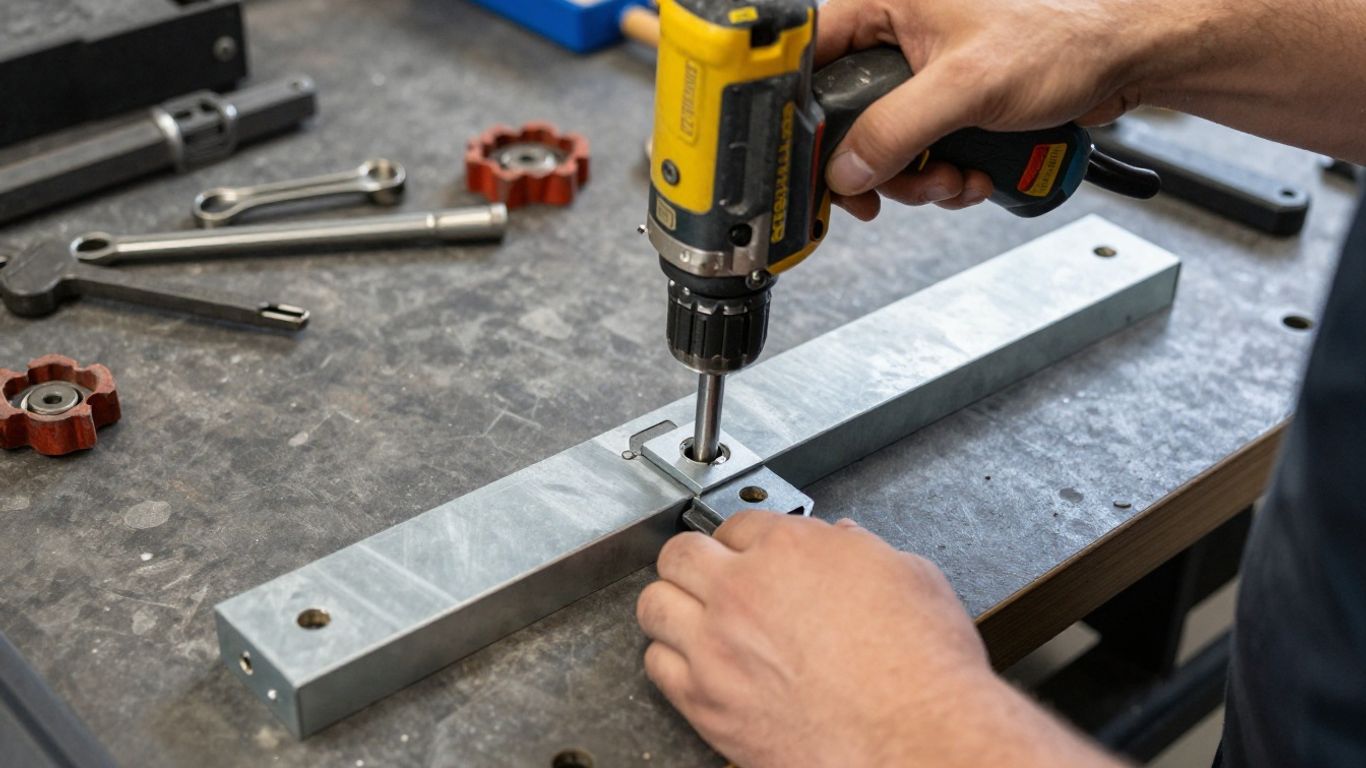
Precision during the installation phase determines whether a seat remains perfectly firm or develops irritating rattles over time. Using heavy-duty fasteners and high-density foam supports provided by the Foam and Upholstery Centre helps professionals achieve a stable, long-lasting setup. Operators should follow standardized mounting guidelines to ensure the floor panel load is evenly distributed.
Bolt-in versus quick-release mechanisms
Bolt-in systems provide maximum long-term stability, whereas quick-release mechanisms offer flexibility for multi-use vehicles. When choosing between them, consider if the seats will need to be removed regularly for specialized freight or cleaning requirements.
Distributing passenger loads across floor panels
Distributing weight across a larger surface area prevents stress fractures in the vehicle floor. Installing steel backing plates under the floorboard offers essential reinforcement, allowing the mount to withstand dynamic stresses while protecting the integrity of the vehicle’s sheet metal.
Mitigating chassis vibration transfer
Reducing unwanted vibrations during long drives keeps passengers fresh and equipment stable. Incorporating rubber spacers between the seat frame and floor serves as a localized motion isolation solution, significantly dampening the harsh feedback from rocky trails.
Working with aftermarket mounting brackets
Many custom builds require bespoke bracketry to adapt standard seats to unique vehicle layouts. It is essential to ensure these brackets are fabricated from tempered steel and that they align with existing chassis mounting points to maintain the vehicle’s original strength profile.
Customizing seats for passenger comfort
Tailoring the ergonomics of a seat can significantly differentiate a premium safari service. Attention to detail in the padding and layout creates a welcoming environment that encourages repeat business.
Integrating lumbar support and padded headrests
Extended hours on dusty tracks place significant strain on the back and neck. Adjustable lumbar supports and supportive, padded headrests are essential for helping passengers remain comfortably seated during long search periods.
Adding structural grab handles and rails
Stable grab handles provide vital stability when the vehicle is navigating steep inclines or muddy tracks. These attachments should ideally be integrated into the headrest or seat-side structure to minimize intrusion into passenger space while remaining easily accessible.
Utilizing high-density, weather-resistant foam
Selecting the right foam is critical for comfort that withstands years of use. Consider these factors when choosing your cushioning:
- Density and firmness levels that prevent the seat from bottoming out.
- Open-cell structures that provide adequate ventilation for all-day comfort.
- Moisture barriers that prevent internal rot when moisture is encountered.
- Consistent rebound memory to maintain its shape after thousands of uses.
When you invest in high-quality foam, you ensure that the seat maintains its ergonomic geometry despite heavy daily use.
Protecting against direct sunlight and exposure
Applying protective covers or using specialized outdoor-stable surface treatments safeguards against premature degradation. This is particularly relevant for sections of the vehicle that remain exposed while the safari is stationary in the open savannah.
Maintaining and repairing fleet seating
Consistent maintenance prevents minor wear from becoming significant failure points. A proactive approach is key to keeping your fleet operational during peak tourism seasons.
Preventing corrosion on exposed metal frames
Safari environments are punishing, and salt or heavy humidity can accelerate corrosion on even the highest quality metal components. Regularly applying protective coatings is essential to keep the integrity of your mounting frames intact.
Patching tears in high-traffic commercial upholstery
Small fissures in vinyl upholstery can quickly grow into massive rips under the constant tension of an active safari trip. Repairing these minor tears early using heavy-duty industrial bonding agents preserves the aesthetic quality of your fleet.
Deep cleaning protocols for safari environments
Deep cleaning involves more than a surface brush; it requires removing grit from the seams of the upholstery. Using specialized brushes and mild detergent solutions after every extended safari helps protect the base fabric layers from abrasive debris.
Identifying when to replace worn seating components
Recognizing the threshold between repair and replacement is crucial for safety and brand image. When the foam loses its structural recovery properties or the metal frame exhibits hairline cracks or permanent deformation, immediate replacement is necessary to prevent failure during transit.
Conclusion
Developing reliable Game Viewer Seats requires a synergy between robust structural engineering and thoughtful, passenger-focused comfort. By selecting high-quality, weather-resistant materials and strictly adhering to safety-compliant installation techniques, operators can deliver a first-class viewing experience that stands up to the rigors of the bush. Dedication to consistent maintenance ensures these assets remain a safe and lucrative part of any safari operation for years to come.
Frequently Asked Questions
How often should seat components be inspected for safari vehicles?
Inspection schedules should be built around the vehicle’s usage frequency, but a comprehensive check of all structural fasteners and upholstery integrity is generally recommended every quarter.
What weight-bearing capacity should custom seating support?
Each passenger seat unit should be certified to support standard adult loading of at least 150 kilograms, accounting for the dynamic forces experienced during off-road travel.
Can standard automotive seats be used in game viewers?
Standard automotive seats usually lack the necessary UV resistance and structural reinforcement to survive long-term exposure and the specific stresses of commercial safari operations.
Are quick-release seats safe for rough terrain?
If properly engineered to meet safety standards with secondary locking mechanisms, quick-release seats can be reliable. Ensure all components are rated for off-road structural stress.
What is the advantage of stadium-style seating?
Stadium-style seating provides each row with a higher line of sight, which is essential for ensuring that rear-seated passengers have as clear a view of wildlife as those in the front.
How do I prevent foam degradation?
Prevention centers on keeping the foam dry and avoiding direct, prolonged exposure to harsh cleaning chemicals. High-density materials also naturally resist compression fatigue better than lower-grade alternatives.
What material is best for high-traffic Safari interiors?
Marine-grade vinyl is widely regarded as the best solution due to its resilience against friction, water, dirt, and UV damage, offering the easiest cleaning process for commercial fleets.