
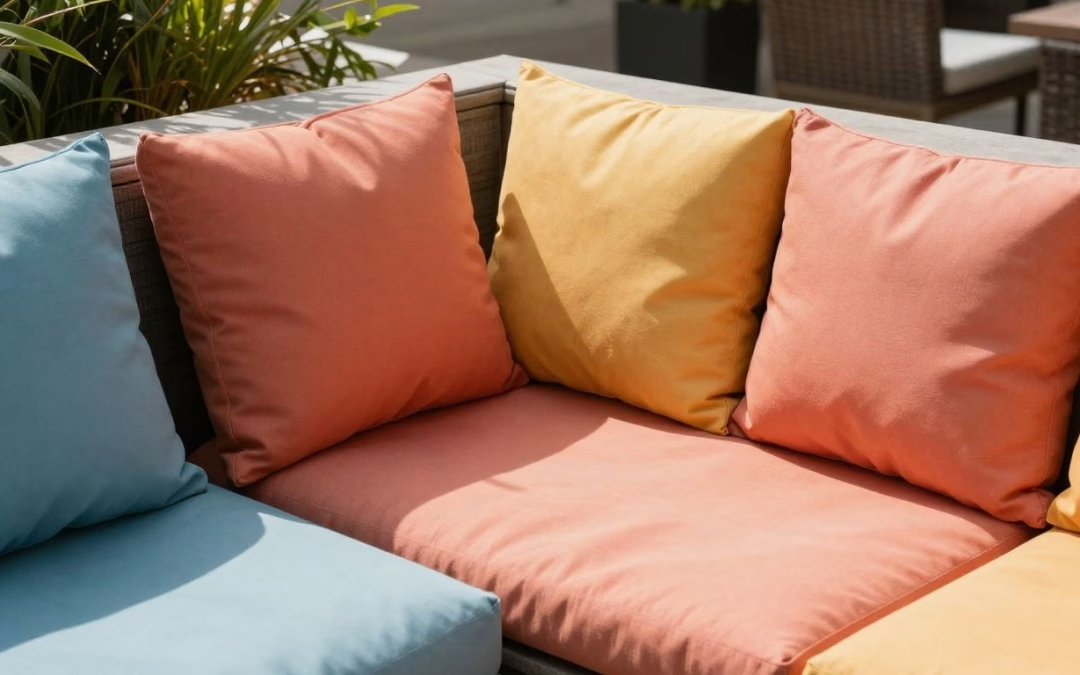
Want your patio cushions to stay looking fresh and new for years? It’s not magic, just a few smart habits. Here are the main points to remember to keep your cushions in top shape:
Key Takeaways
- Always use protective covers when cushions aren’t in use, especially during bad weather.
- Clean cushions regularly by shaking out dirt and tackling stains right away.
- Store cushions indoors or in a dry, protected spot when not in use, particularly overnight.
- Rotate and flip cushions often to ensure even wear and prevent sun fading.
- Apply UV protectant sprays and seek out natural shade to shield fabric from the sun.
Protect Cushions From The Elements
Your patio cushions are like little outdoor living rooms, but Mother Nature can be pretty tough on them. Between the scorching sun, unexpected rain showers, and even just the morning dew, they can start to look pretty sad pretty fast. Taking a few simple steps to shield them can make a huge difference in how long they last and how good they look.
Utilize Protective Covers
Think of covers as a raincoat and sunscreen for your cushions. They’re specifically designed to block UV rays, repel water, and keep out all sorts of gunk like dirt and pollen. It’s a really easy step that doesn’t cost a lot but really adds years to your cushions. When you’re picking out covers, look for a few key things:
- UV-Resistant Fabric: This is a must. Look for covers that say they’re UV stabilized. Polyester with a PU coating is a common and good choice.
- Waterproof or Water-resistant: Check for things like double-stitched seams and zippers that have a flap over them. These details help keep moisture out.
- Breathability: This is important! A cover that seals everything in can actually trap moisture, leading to mildew. Look for designs with vents so the cushions can breathe.
- Secure Fit: You don’t want a cover blowing away in the first gust of wind. Covers with drawstrings, Velcro straps, or buckles will stay put.
Seek Natural and Built-In Shade
While covers are great, sometimes the best defense is simply avoiding the harshest elements altogether. If you have a covered porch or a pergola, great! Use that space. If not, consider rearranging your patio furniture. Maybe move the seating area under a large tree or closer to the house where it gets more natural shade during the hottest parts of the day. Even positioning them so they aren’t in direct sunlight for the entire afternoon can help prevent colors from fading too quickly. It’s a simple way to reduce wear and tear without much effort.
Apply Fabric UV Protectant Sprays
Beyond covers, you can give your cushions an extra layer of defense with a fabric protector spray. These sprays create a barrier that helps repel water and block UV rays. It’s a good idea to clean your cushions first, making sure they’re totally dry, before you apply any spray. Hold the can about 6 to 8 inches away and use long, even strokes, overlapping a bit so you don’t miss any spots. After spraying, let them dry for at least 6 hours, preferably in a shaded area. You’ll need to reapply these sprays every month or so, especially after heavy rain or if you’ve given them a good cleaning. Products like Scotchgard Water Shield are popular for this.
Protecting your cushions from the elements isn’t just about keeping them looking nice; it’s about preserving the materials. Prolonged exposure to sun and moisture can break down the fabric fibers and the stuffing inside, leading to premature wear and tear that can’t be fixed with just a cleaning.
Regularly applying a good fabric protector can really help extend the life of your outdoor cushions, keeping them comfortable and attractive for more seasons to come.
Maintain Cushion Cleanliness
Keeping your patio cushions spick and span is more than just about looks; it’s a big part of making them last. Dirt, pollen, and spills can break down the fabric over time, and nobody wants mildew growing where they relax. So, let’s get into how to keep them clean.
Regularly Shake Out Debris
This might sound super simple, but it’s really effective. Just give your cushions a good shake every so often. Think of it like dusting your furniture, but for the outdoors. You’d be surprised how much sand, leaves, and little bits of who-knows-what can get wedged into the seams and fabric. Doing this weekly, or even every other week, stops that stuff from grinding into the fibers and causing wear. It’s a quick task that prevents bigger problems down the line.
Address Stains Promptly
When something spills, don’t just let it sit there. Whether it’s a rogue barbecue sauce drip or a bird’s little surprise, tackle it as soon as you can. The longer a stain sits, the harder it is to get out, and it can actually start to damage the fabric. For most fresh spills, a gentle blotting with a clean cloth and some cool water is a good first step. If it needs a bit more, you can try a mild soap solution. For tougher spots, a dedicated cleaner for outdoor fabrics might be in order. Remember to always test any cleaner on a small, hidden area first to make sure it doesn’t discolor your cushions.
Perform Thorough Seasonal Cleaning
Once or twice a year, usually at the beginning or end of the season, it’s time for a deeper clean. This is where you really get into it. You can mix up a cleaning solution – something like a tablespoon of borax with a squirt of dish soap in a couple of cups of water works well [83f3]. Spray it on, let it sit for a few minutes to break down grime, and then gently scrub with a soft brush. After that, rinse thoroughly with plain water. The key here is to let them dry completely before you use them or store them away. This might take a day or two, depending on the weather. If your cushion covers are removable, check if they’re machine washable on a gentle cycle. Just make sure they’re totally dry before putting them back on the cushions. This kind of deep clean can really refresh your cushions and get them ready for another season of use, or prepare them for storage. It’s a good time to check for any minor damage, like loose threads, that might need a quick fix, potentially saving you from needing a full re-upholstery down the road.
Keeping your cushions clean isn’t just about aesthetics; it’s a practical step that directly impacts their longevity. Regular attention to dirt and stains prevents them from becoming permanent issues and protects the integrity of the fabric and filling.
Here’s a quick rundown of what to do:
- Shake out loose debris: Do this weekly or bi-weekly.
- Blot spills immediately: Use a clean cloth and cool water.
- Spot treat stains: Use mild soap or a fabric-specific cleaner.
- Deep clean seasonally: Follow up with a thorough wash and rinse.
- Dry completely: Air dry for at least 24-48 hours before use or storage.
Implement Smart Storage Practices
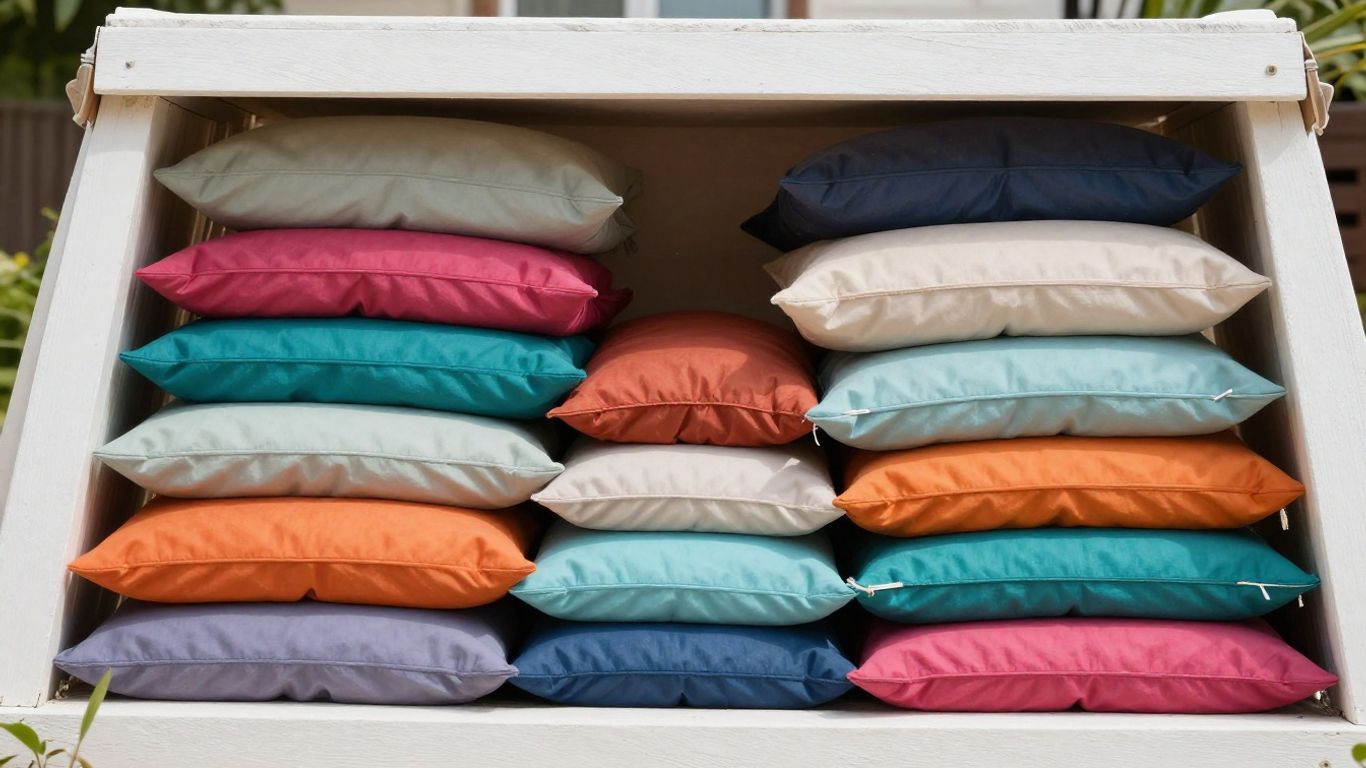
Proper storage is a game-changer for keeping your patio cushions looking good and lasting longer. It’s not just about shoving them in a corner; it’s about protecting them from the elements and everyday wear.
Store Cushions Indoors Overnight
Leaving cushions out overnight means they’re exposed to dew, which can lead to dampness and eventually mildew. Plus, temperature swings can trap moisture inside the foam and fabric. Taking them in, even just for the night, makes a huge difference. It gives them a chance to breathe and stay dry. If you can’t bring them inside, a covered outdoor storage box is the next best thing.
Utilize Outdoor Storage Solutions
There are tons of options if you don’t have space indoors. Deck storage benches are great because they serve a dual purpose – seating and storage. Look for ones made of waterproof materials with vents to keep air flowing. If you have a bit more room, a small outdoor shed or locker works wonders for keeping cushions dry and out of the sun. For smaller spaces like balconies, heavy-duty waterproof totes with secure lids are a good choice. Just make sure whatever you use is completely dry before sealing it up to avoid trapping moisture. You can find some great custom solutions for your patio needs.
Prepare Cushions for Winter Storage
When the cold weather hits, it’s time for a more serious storage plan. Before you put them away for the season, give them a good clean and make sure they are bone dry. Any lingering moisture can cause problems over the winter. Store them in a dry spot, ideally indoors, like a garage, shed, or even a closet. To add an extra layer of protection against any potential dampness, consider putting them in large plastic storage bags before tucking them away. This also helps keep critters out. Storing them properly now means they’ll be ready to go when spring rolls around again.
Rotate and Flip For Even Wear
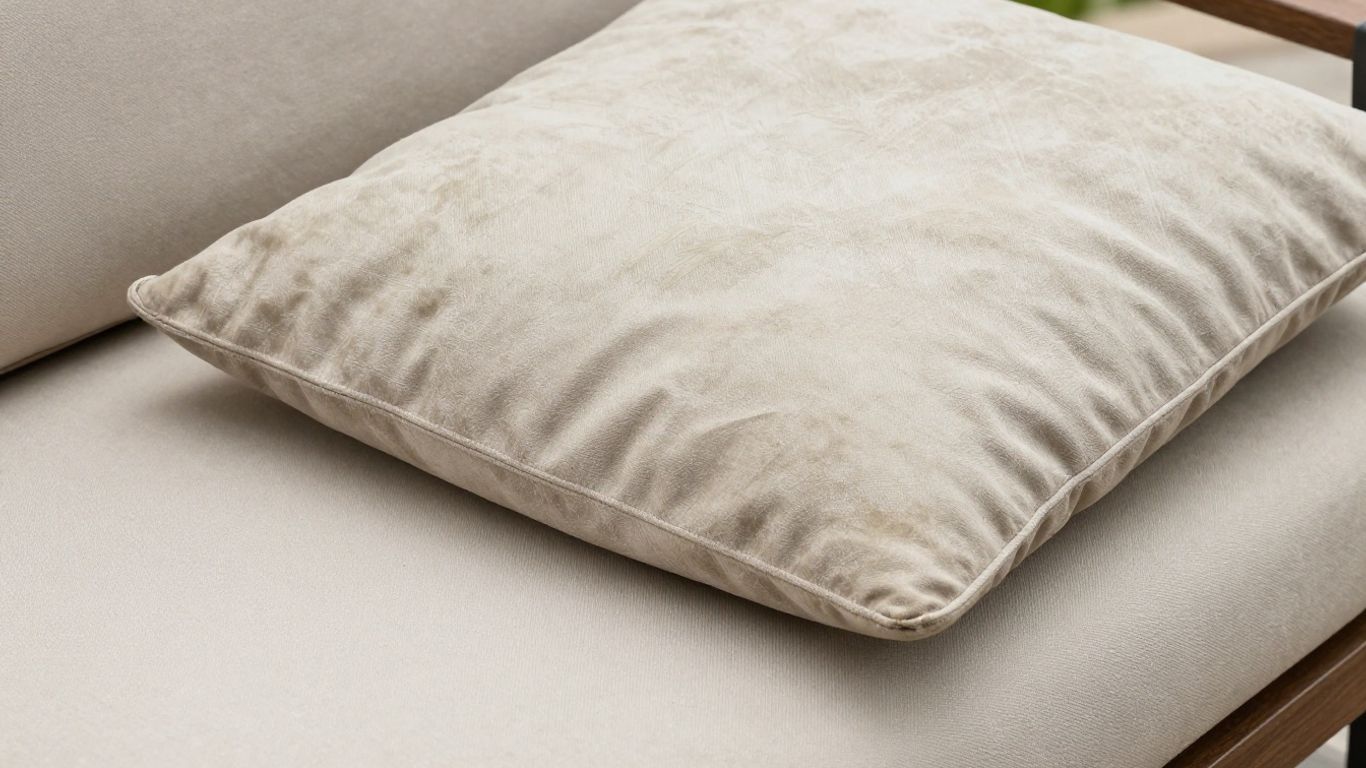
Think about it: the sun doesn’t hit every part of your patio cushions equally. Over time, this leads to some spots looking faded while others stay bright. It’s like wearing out the knees of your favorite jeans faster than the rest of the fabric. The simple solution? Make a habit of rotating and flipping your cushions regularly. This helps distribute the wear and tear, giving every side a chance to face the sun and the elements. It’s a small step that makes a big difference in how long your cushions look good.
Establish a Consistent Rotation Schedule
Setting up a routine doesn’t have to be a chore. Try picking a specific day each week, maybe Sunday afternoon after you’ve finished your yard work, to give all your cushions a little attention. You can even set a reminder on your phone. This consistency is key to preventing uneven fading and wear. It’s about making sure that no single part of the cushion gets all the sun exposure or all the sitting pressure. This simple habit can significantly extend the life of your cushions and keep them looking fresh throughout the season. For more on keeping furniture looking its best, check out tips for sofa cushions.
Alternate Cushion Directions
When you’re flipping or rotating, don’t just turn them front to back. If your cushions are square or rectangular, try turning them 90 degrees each time. This means a cushion that was facing north might now face east, then south, then west. This method ensures that all edges and corners get equal exposure to sunlight and use. It’s a more thorough way to even out wear than simply swapping ends. It might seem like a small detail, but it really helps prevent one side from looking noticeably older than the other.
Combine Rotation with Inspections
While you’re handling the cushions for rotation, take a moment to give them a quick once-over. Look for any damp spots, loose threads, or new stains that might have appeared. Catching these issues early is much easier to deal with than letting them set in. For instance, a small tear can quickly become a big one if left unattended. This inspection step is also a good time to check if any cushions are starting to feel a bit flat or lumpy, which might indicate it’s time to fluff or replace inserts.
Regularly flipping and rotating your cushions is a simple yet effective way to ensure they age gracefully. It’s about proactive care, making sure that every part of the cushion gets its fair share of sun, rain, and use, leading to a more uniform appearance and longer lifespan.
Prevent Moisture Damage
Nobody likes sitting on a damp cushion, right? Moisture is the enemy of outdoor fabrics and the foam inside. It can lead to mold, mildew, and that not-so-pleasant musty smell. Plus, prolonged dampness really breaks down the materials over time. So, keeping them dry is a big deal for making them last.
Avoid Prolonged Dampness
It sounds obvious, but letting cushions sit wet after a rain shower or heavy dew is a fast track to trouble. Even if your cushions are made with quick-dry foam, they still need a chance to actually dry out. Think of it like leaving your clothes in the washing machine too long – not a good look, or smell. The key is to give them air circulation. If you notice they’re soaked, try to prop them up or move them to a spot where air can get to all sides. This helps water drain and evaporate much faster than if they’re just lying flat.
Leaving cushions out overnight, especially when dew is heavy, can saturate them. This constant exposure to moisture, even if it’s not pouring rain, wears down the fabric and foam, making them more susceptible to damage and reducing their lifespan.
Ensure Proper Drying After Cleaning
After you’ve given your cushions a good scrub, the drying process is just as important as the cleaning itself. You can’t just hose them down and expect them to be ready for use an hour later. Make sure they are completely dry before putting them back on your furniture or storing them. This means letting them air dry in the sun for a good chunk of the day, or even longer if it’s humid. If you’re using a waterproofing spray, make sure the fabric is bone dry before you apply it, otherwise, you’re trapping moisture in.
Here’s a quick rundown on drying:
- Sun is your friend: Place cushions in direct sunlight whenever possible. The sun’s warmth helps evaporate moisture quickly.
- Flip and rotate: Don’t just let them sit. Flip them over periodically to expose all sides to the air and sun.
- Check the core: Feel the cushion to make sure the inside isn’t still damp. Sometimes the outside feels dry, but the inside is still wet.
Consider Breathable Covers
When you’re not using your cushions, or during periods of light rain, using covers can be a lifesaver. But not all covers are created equal. You want covers that protect from the elements but still allow for some airflow. Tight, non-breathable plastic can actually trap moisture against the fabric, creating a humid environment perfect for mold. Look for covers made from breathable materials, or ensure that any waterproof covers have vents. This allows any residual moisture to escape while still keeping the worst of the rain and sun off. It’s a good middle ground between leaving them fully exposed and sealing them up completely. For a good waterproofing treatment, breathable covers are a must.
Conclusion
Taking good care of your patio cushions doesn’t have to be a huge chore. By following these simple tips, you can keep them looking great and feeling comfortable for many seasons to come. A little bit of effort now means enjoying your outdoor space more and spending less on replacements later. So go ahead, protect them from the sun, keep them clean, and store them right – your patio will thank you!
Frequently Asked Questions
How often should I clean my patio cushions?
It’s a good idea to give your cushions a quick shake to get rid of loose stuff like leaves or dirt every week or so. For a deeper clean, aim for a good wash a few times during the warmer months, or whenever you notice they’re looking a bit grimy. Check the tag on your cushions first for any special washing tips.
What’s the best way to protect cushions from rain?
The easiest way is to use waterproof covers designed for outdoor furniture. If you don’t have covers, try to bring them inside or store them in a dry place like a shed or a waterproof bin when rain is expected. Letting them get soaked regularly can lead to mold and damage.
Can I leave my cushions outside all the time?
While many cushions are made for the outdoors, leaving them out 24/7 isn’t ideal. They’ll last much longer if you bring them in overnight to avoid dew and temperature changes, and definitely during heavy rain or snow. Even just covering them up helps a lot.
Why do my cushion colors fade so quickly?
That’s usually the sun’s doing! Bright sunlight, especially the UV rays, can break down the fabric colors over time, making them look washed out. Using covers, keeping them in the shade when possible, or applying a UV protectant spray can really help slow this down.
How should I store cushions for the winter?
When it’s time to put your outdoor furniture away for the cold season, make sure your cushions are clean and completely dry. Store them in a dry, indoor spot like a garage, basement, or a large storage bin. Putting them in plastic bags before storing can add an extra layer of protection against moisture.
What is a UV protectant spray and do I need it?
Think of it like sunscreen for your cushions! A UV protectant spray creates a shield on the fabric that helps block the sun’s damaging rays. If your cushions get a lot of direct sun, or if their colors seem to be fading fast, using one of these sprays can make a big difference in keeping them looking good.