
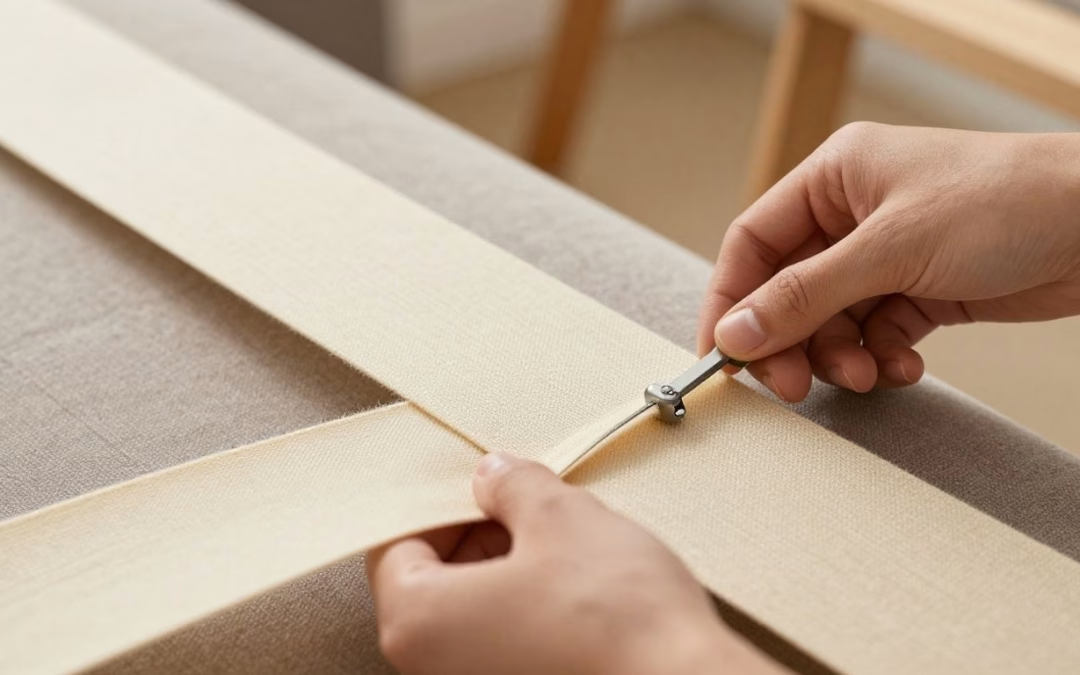
Here are the main things to remember when you’re working on webbing for your couch. Keep these points in mind for a successful repair or build.
Key Takeaways
- Webbing is the support system under your couch cushions, taking the main weight.
- Always check your couch frame and gather the right tools before you start.
- Use a webbing strainer to get the right amount of pull on the straps.
- Tack the webbing securely in an M or W pattern, making sure the tacks go in flat.
- Distribute tension evenly and test it to make sure it feels right, not too loose or too tight.
Understanding Sofa Webbing Basics
What Sofa Webbing Is
So, what exactly is this sofa webbing stuff? Basically, it’s like a strong, woven strap that gets attached to the frame of your couch. Think of it as the foundation that holds everything up. It’s laid out either straight across or in a crisscross pattern, and then, you know, the comfy stuff like foam and fabric goes on top. This webbing is the first line of defense against your body weight, taking the brunt of the load before it even gets to the couch’s frame. It’s a pretty clever system, really.
The Role Of Webbing In Furniture Support
Webbing plays a pretty big part in how your couch feels and how long it lasts. Unlike old-school metal springs that can sometimes make noise or feel a bit stiff, webbing tends to distribute weight more evenly. It has a bit of give, which helps absorb the pressure when you sit down, leading to a softer, more natural feel. This elasticity is key to preventing that dreaded sagging that happens to older couches. It also helps keep the sofa’s shape looking good for a long time, which is a nice bonus.
Webbing’s ability to flex and recover is what gives a sofa its comfortable bounce and prevents premature wear. It’s a simple concept, but it makes a huge difference in the overall feel and longevity of your furniture.
Webbing Versus Traditional Springs
When you’re looking at how couches are built, you’ll often see either webbing or traditional springs doing the support work. Springs have been around forever, and they do a decent job, but they can sometimes be noisy and might not feel as consistent over time. Webbing, on the other hand, is generally quieter and can offer a more flexible seating experience. Plus, it’s often lighter and can allow furniture designers to create sleeker, more modern shapes. For many furniture makers today, webbing is becoming the go-to support because it’s efficient and provides that comfortable, supportive feel people want.
Here’s a quick rundown:
- Noise: Webbing is usually silent; springs can sometimes creak or groan.
- Feel: Webbing often provides a more even, flexible support; springs can feel firmer or more localized.
- Durability: Both can be durable, but webbing’s consistent tension can help prevent sagging over years of use.
- Design: Webbing allows for lighter, more varied furniture designs.
It’s interesting to think about how these different support systems affect the final product. If your couch is starting to feel a bit tired, it might be the webbing that needs some attention. Sometimes, a simple fix like re-upholstery can make a world of difference.
Preparing For Webbing Installation
Assessing Your Couch Frame
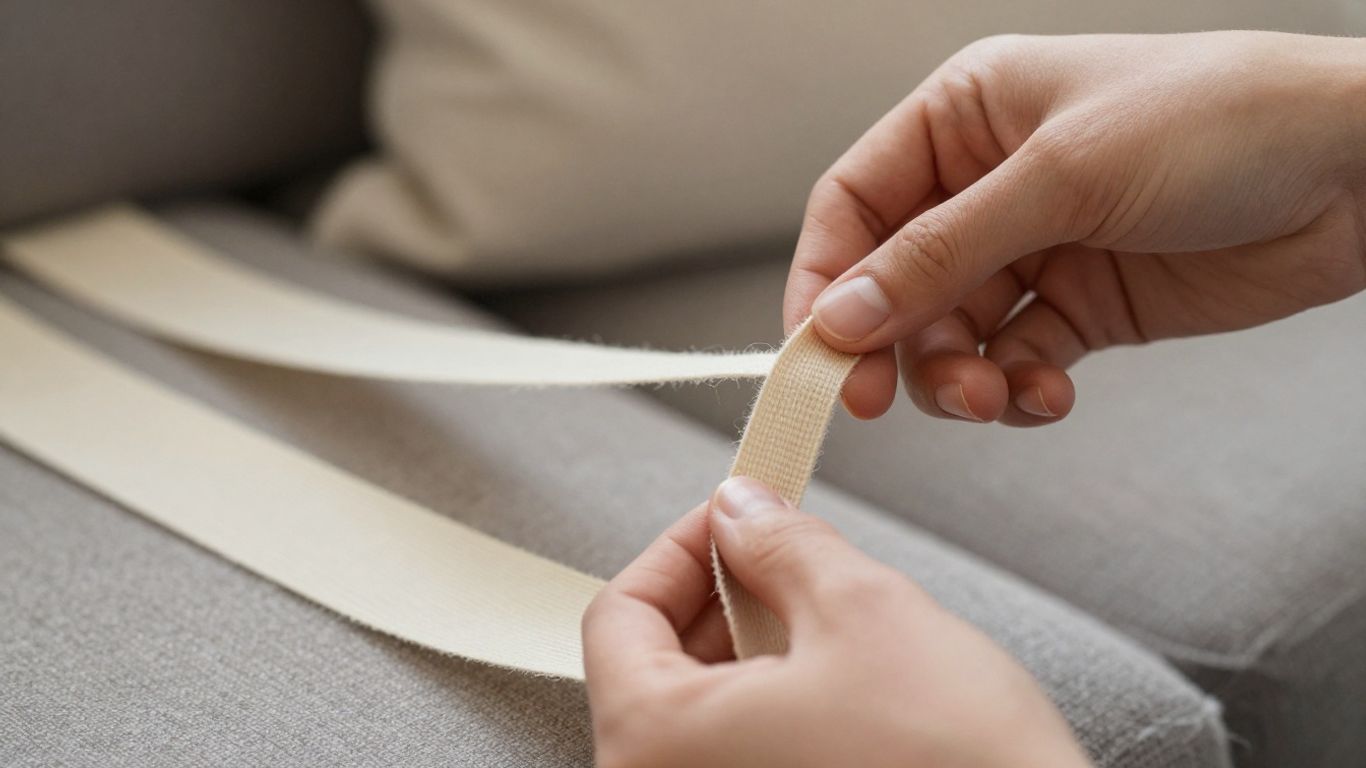
Before you even think about pulling out the webbing, take a good look at your couch frame. Is it solid? Any wobbly bits or cracks? You want a sturdy foundation, otherwise, all your hard work might go to waste. Check the corners, where the frame pieces join. If anything looks weak, you might need to reinforce it with some wood glue and clamps, or even a few extra screws. A strong frame is the backbone of good webbing support.
Gathering Necessary Tools And Materials
Alright, let’s talk tools. You’ll need your chosen webbing, of course. Then, you’ll want a good pair of scissors or a utility knife for cutting the webbing. A staple gun with heavy-duty staples is a must, but honestly, for serious tension, you’ll want something more robust. Think about getting a webbing strainer – this tool is a game-changer for getting that tight, even pull. You’ll also need a hammer and some upholstery tacks. Make sure the tacks have improved heads, not the tiny ones that can tear through the webbing. For a really professional job, consider a tack puller for any mistakes.
Here’s a quick checklist:
- Webbing (the right kind, we’ll get to that)
- Heavy-duty staple gun or webbing strainer
- Upholstery tacks (with improved heads)
- Hammer
- Scissors or utility knife
- Tack puller (optional, but handy)
- Wood glue and clamps (if frame needs repair)
Choosing The Right Type Of Webbing
Not all webbing is created equal, and picking the wrong kind can lead to a saggy seat in no time. For most couches, you’ll be looking at either elastic webbing or polyester webbing. Elastic webbing, often made with rubber, gives a bit more give and can feel softer. It’s great for seats where you want that sink-in feeling. Polyester webbing, on the other hand, is tougher and less stretchy. It’s a solid choice if you need something really durable, especially for commercial furniture or if you’re a bigger person. There’s also non-elastic webbing, which is more for structural support than comfort. You’ll usually see it used in combination with other types. Think about how the couch will be used and who will be using it when you make your choice. A good black webbing twill tape can be a versatile option for many projects.
Remember, the goal is to create a supportive surface that can handle weight without stretching out too much over time. Overly elastic webbing might feel comfy at first, but it can quickly lose its bounce.
How To Tension Webbing On A Couch
Getting the webbing tension just right on your couch is super important. It’s not just about making it look good; it’s about how it feels to sit on and how long the couch will last. Too loose, and you’ll feel like you’re sinking. Too tight, and you might actually damage the frame. So, let’s break down how to get this done properly.
Securing The Initial Webbing Strip
First things first, you need to anchor your webbing. Start at one end of the frame where you want the webbing to run. Fold about an inch of the webbing over itself and secure it firmly to the frame. You can use heavy-duty staples or small tacks for this. Make sure it’s really secure because this is the starting point for all the tension you’re about to apply. This initial anchor point is critical for the entire support system.
Utilizing A Webbing Strainer For Tension
This is where the magic happens. A webbing strainer, sometimes called a webbing stretcher, is your best friend here. It’s a tool designed to grip the webbing and pull it taut. You’ll attach the strainer to the free end of the webbing strip. Then, you’ll use the tool’s mechanism to pull the webbing tight against the frame. You’ll want to pull it until it feels firm, but not so tight that it’s straining the frame itself. It’s a bit of a feel thing, and you’ll get better at it with practice. For a good starting point, aim for a tension that feels springy but doesn’t make a ‘twang’ sound when you flick it.
Tacking Techniques For Secure Attachment
Once you’ve got the webbing pulled to the desired tension with your strainer, you need to attach it permanently. While still holding the tension with the strainer, carefully tack the webbing to the frame. Use a staple gun with strong staples or small upholstery tacks. Work your way along the edge of the webbing, securing it every few inches. After you’ve tacked it down, release the strainer. If the webbing stays taut, you’ve done a good job. If it sags, you’ll need to repeat the process, pulling it a bit tighter.
Achieving Optimal Webbing Tension
So, what’s the sweet spot for tension? It really depends on the type of webbing and the couch itself. For elastic webbing, you want it firm enough to provide support but still have some give. For non-elastic types, you’re looking for a solid, taut feel. A good rule of thumb is to press down on the webbing with your thumb. It should feel resistant, and your thumb shouldn’t easily push it down to the frame. You’re aiming for a consistent feel across all the strips. If you’re unsure, check out resources on couch frame construction for general ideas about structural integrity.
Here’s a quick checklist for tension:
- Feel: Does it feel firm and supportive under pressure?
- Sound: Does it make a dull thud or a slight ‘ping’ when flicked? Avoid a loud ‘twang’.
- Visual: Does it look evenly stretched, without any obvious slack spots?
- Consistency: Is the tension similar across all parallel or crisscrossing strips?
Remember, the goal is to create a supportive surface that distributes weight evenly. Over-tensioning can stress the couch frame, leading to cracks or warping over time. It’s better to be slightly less tense and have a comfortable seat than to risk damaging the furniture.
Ensuring Proper Webbing Tension
Getting the tension just right on your couch webbing is super important. It’s not just about making it look tight; it’s about how the couch feels and how long it lasts. Too loose, and you’ll feel it sagging pretty quickly. Too tight, and you might actually damage the frame itself. It’s a balancing act, for sure.
The Importance Of Even Tension Distribution
Think of the webbing like the muscles in your back. If one muscle is super tight and another is loose, you get weird aches and pains, right? It’s kind of the same with couch webbing. When the tension is spread out evenly across the whole seat or back, the weight you put on it gets distributed nicely. This means no single spot is taking all the stress. This even distribution is key to preventing premature wear and tear on both the webbing and the couch frame. It helps the whole support system work together, making your couch feel more comfortable and last a lot longer. If you’re looking to get your couch reupholstered, paying attention to this detail is a big part of getting a quality result. Proper webbing installation makes a huge difference.
Testing Webbing Tension
So, how do you know if you’ve got it right? There are a few ways to check. One common trick is the ‘bounce test’. Gently tap the webbing with the handle of your hammer. It should have a nice, springy feel, almost like a trampoline. It shouldn’t feel dead or overly stiff. Another way is to visually inspect it. Look along the length of the webbing strips. You want to see a consistent tautness, with no obvious dips or bulges. If you’re working on a removable seat frame, it’s a good idea to put the frame back into the couch casing periodically as you work. This helps you spot if you’re accidentally distorting the frame with too much tension.
Avoiding Over-Tensioning The Frame
This is where things can get a bit tricky. Over-tensioning is a real risk, especially with older or less robust frames. When you pull the webbing too tight, it puts a lot of stress on the wood or metal structure of the couch. This can cause the frame to warp, twist, or even crack over time. It’s like pulling a rubber band too far – eventually, it snaps or loses its elasticity. For removable seat frames, you really need to be mindful of this. Regularly re-fitting the frame into its housing during the tensioning process is a smart move. It lets you see if the frame is starting to bend or pull out of shape. If you notice any distortion, ease up on the tension immediately. It’s better to have slightly less tension than to risk damaging the couch’s core structure.
When you’re working with webbing, remember that the goal is support and comfort, not brute force. The webbing should feel taut and responsive, but not so tight that it’s straining the frame. Think of it as a supportive hug for your couch, not a vice grip.
Webbing Installation Patterns And Considerations
Horizontal and Crisscross Patterns
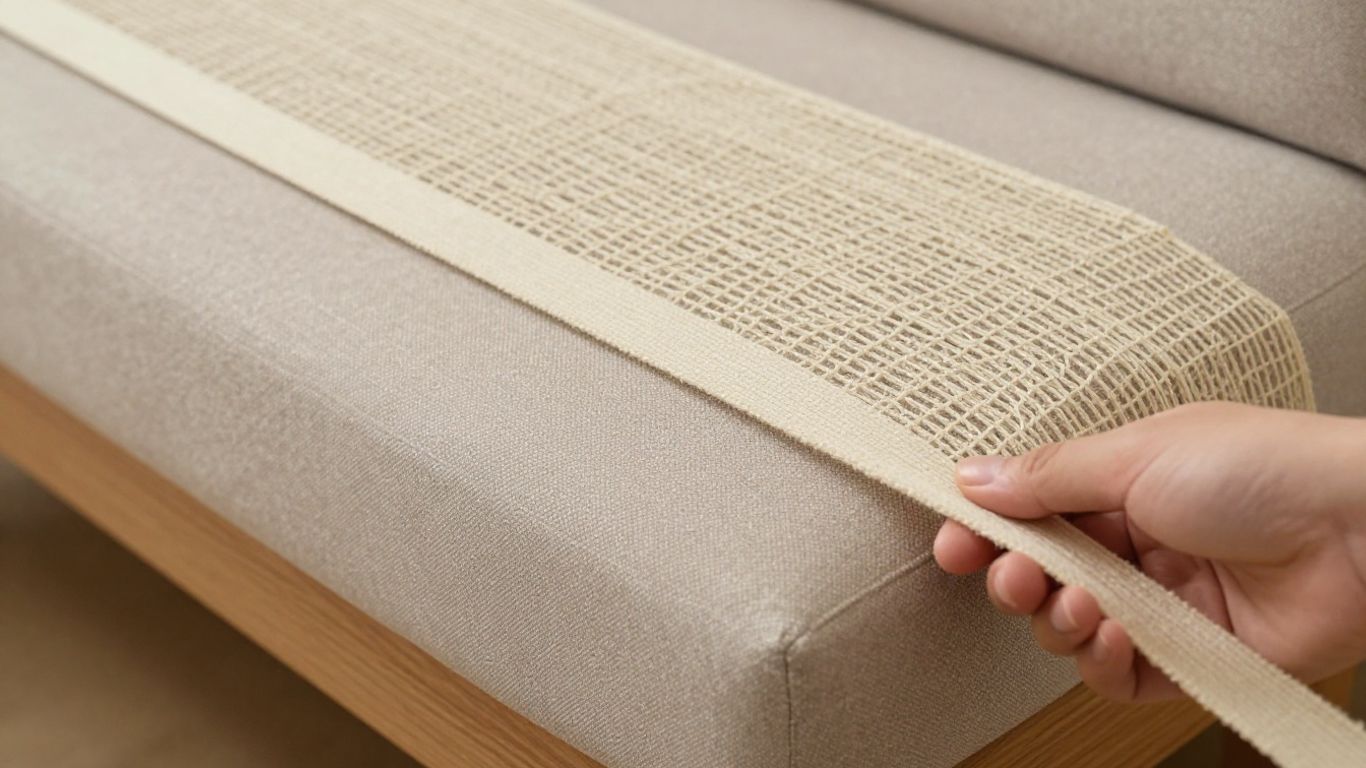
When you’re getting ready to tension webbing on your couch, you’ll notice there are a couple of main ways to lay it out. The most common are horizontal, vertical, or a crisscross pattern. For most seating areas, a crisscross pattern is usually best. This involves running strips of webbing in one direction, then weaving or layering strips in the perpendicular direction. This setup distributes weight more evenly and provides a really solid base. Think of it like building a strong foundation; the more directions you support it from, the sturdier it becomes. For backrests, you might see just horizontal or vertical strips, depending on the couch’s design and the support needed. The key is to create a supportive grid that can handle regular use.
Webbing For Residential Versus Commercial Furniture
There’s a difference between the webbing you’d find in your living room sofa and the kind used in a busy hotel lobby. Residential furniture often uses elastic webbing, which gives that comfy, sink-in feeling. It’s great for everyday use at home because it feels soft and molds to your body. However, it needs to be the right kind of elastic so it doesn’t stretch out too much over time. For commercial spots like hotels or offices, they need webbing that can take a beating. This usually means polyester webbing, which is super strong and doesn’t stretch out easily, even with constant sitting. It keeps furniture looking neat and supportive, which is important when you have a lot of people using it. You can find good quality 25mm black polypropylene webbing that works well for many projects.
Customizing Tension For Specific Comfort Levels
Getting the tension just right is where you really customize the feel of your couch. If you want a firmer seat, you’ll tension the webbing tighter. This makes the surface feel more rigid and supportive. On the other hand, if you’re going for a softer, more relaxed feel, you’ll want to ease up on the tension a bit. This allows the webbing to flex more when you sit down. It’s a bit of an art, and sometimes you have to experiment. Remember, over-tensioning can actually damage the frame, so always be mindful of that. It’s a balancing act between support and comfort. For tougher jobs, consider something like 25mm beige C36 webbing.
Always check your work as you go, especially if you’re working on a removable seat frame. It’s easy to accidentally warp the frame if you pull the webbing too tight. Try putting the frame back into its casing periodically to make sure everything still fits right and isn’t getting distorted.
Maintaining Your Couch’s Support System
So, you’ve gone through the trouble of getting your couch webbing just right. That’s awesome! But like anything, it needs a little attention now and then to keep it working its best. Ignoring the support system underneath is like putting fancy tires on a car with a busted engine – it just won’t last.
Signs Of Worn Or Sagging Webbing
How do you know if your webbing is starting to give up the ghost? It’s usually pretty obvious. The most common sign is, you guessed it, sagging. When you sit down, does the cushion feel like it’s sinking way too far, almost like a hammock? That’s your webbing telling you it’s lost its tension. You might also notice the seat feels uneven, or maybe you can even feel the frame through the cushion in spots. Sometimes, you might hear creaking or groaning sounds when you sit or move around, which can also point to worn-out webbing or springs.
- Uneven seating surface: One side feels lower than the other.
- Excessive sinking: Cushions compress much more than they used to.
- Visible stretching or fraying: If you can peek underneath, you might see the webbing looks worn out.
- Unusual noises: Creaks and groans when weight is applied.
When To Replace Couch Webbing
Deciding when to replace the webbing isn’t always black and white, but there are clear indicators. If the webbing is visibly frayed, torn, or has lost its elasticity to the point where it can’t support weight properly, it’s definitely time for a change. Think of it like a rubber band that’s lost its snap – it just doesn’t do its job anymore. Replacing worn-out webbing is key to restoring the original comfort and support of your couch, preventing further damage to the frame or cushions. It’s often a more cost-effective solution than buying a whole new piece of furniture, especially for well-loved, older couches. You can find replacement webbing kits online or at upholstery supply stores.
Don’t underestimate the impact of worn webbing. It’s the unsung hero of your couch’s comfort, and when it fails, the whole seating experience suffers. Addressing it proactively saves you from a much more uncomfortable situation down the line.
The Long-Term Benefits Of Correct Webbing Tension
Getting the webbing tension right from the start, and keeping it that way, pays off big time. Properly tensioned webbing distributes weight evenly across the couch frame, preventing stress points that can lead to damage over time. This means your couch will feel supportive and comfortable for years, not just months. It helps maintain the shape of your cushions, stops them from developing those annoying dips, and generally makes your furniture last longer. Plus, a well-supported couch is just more pleasant to sit on, whether you’re relaxing after a long day or entertaining guests. It’s about making sure your furniture continues to be a comfortable spot in your home for the long haul.
Conclusion
Getting the webbing tension right on your couch is a game-changer for comfort and how long your furniture lasts. It might seem a little tricky at first, but with the right tools and a bit of patience, you can totally do it. Remember to keep the tension even and avoid pulling too hard. A well-tensioned couch feels great and will serve you well for years to come. So, go ahead and give your couch the support it deserves!
Frequently Asked Questions
What exactly is couch webbing?
Think of couch webbing as strong straps that go across the bottom of your couch frame. They act like a supportive net, holding up the cushions and the people sitting on them. It’s what stops you from sinking right through the couch!
Why is tension so important for couch webbing?
The tension is super important because it determines how the couch feels and how long it lasts. If it’s too loose, the couch will sag and feel uncomfortable. If it’s too tight, you might damage the couch frame itself. Getting it just right means the couch will feel supportive and springy, like it’s supposed to.
What tools do I need to tension webbing?
You’ll mostly need a webbing strainer, which is a tool that helps you pull the straps really tight. You’ll also need a staple gun or hammer and tacks (small nails) to attach the webbing to the frame. Having a measuring tape and maybe some scissors or a utility knife to cut the webbing is helpful too.
How do I know if I’m stretching the webbing too much?
You can tell if you’re stretching it too much if the couch frame starts to bend or look distorted, especially if it’s a removable seat frame. It’s a good idea to put the frame back in its casing often while you’re working to see if it’s still fitting right. Also, the webbing should bounce back a bit when you tap it, not feel completely stiff.
Can I just use any kind of webbing?
Not really. There are different types of webbing, like elastic and non-elastic. Elastic webbing is good for giving a softer, more cushioned feel, often used in homes. Non-elastic or polyester webbing is stronger and more stable, better for places with lots of use, like hotels or offices. You need to pick the right kind for your couch and how it will be used.
How often should I check my couch’s webbing?
You don’t usually need to check it all the time. But if you notice your couch is starting to feel saggy, or if you hear strange noises when you sit down, it might be time to take a look. Worn-out webbing is usually pretty obvious – it might look frayed or feel loose. Replacing it can make your couch feel brand new again!