
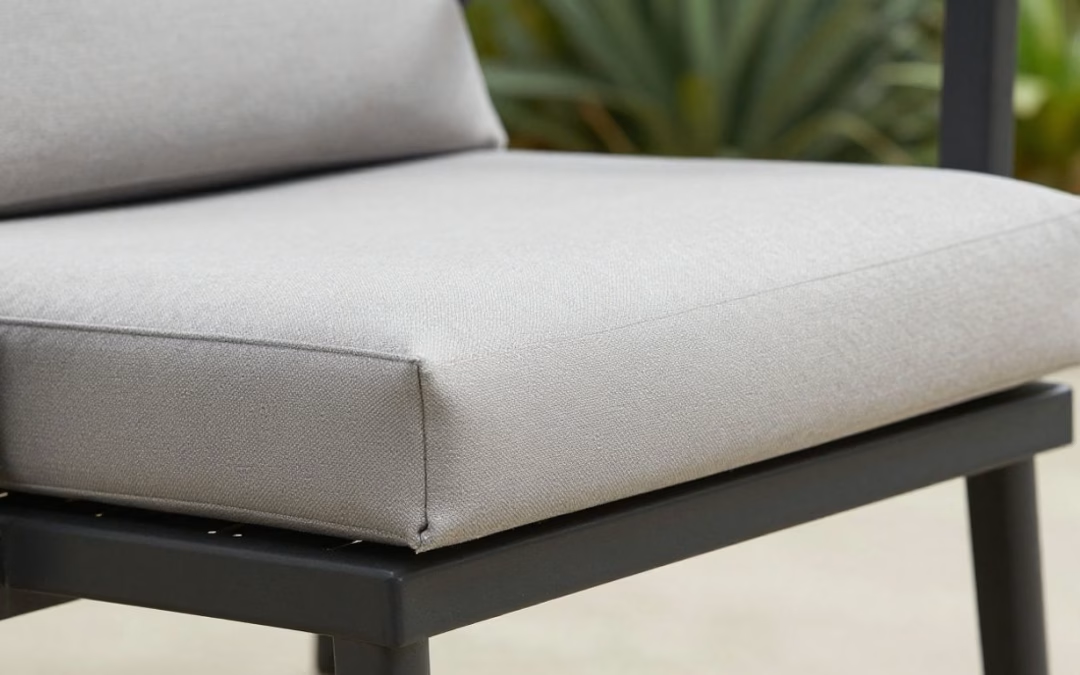
Here are the main points to remember for keeping your patio cushions from sliding around.
Key Takeaways
- Use hook-and-loop tape (like Velcro) or adhesive fasteners for a strong stick.
- Sew on fabric ties or use zip ties to physically secure cushions to furniture.
- Non-slip mats or cushion grippers create friction to keep cushions in place.
- Combine different methods, like tape and a mat, for the best hold, especially in windy spots.
- Choose weather-resistant materials for adhesives and fabrics to make solutions last.
Secure Your Cushions With Adhesive Solutions
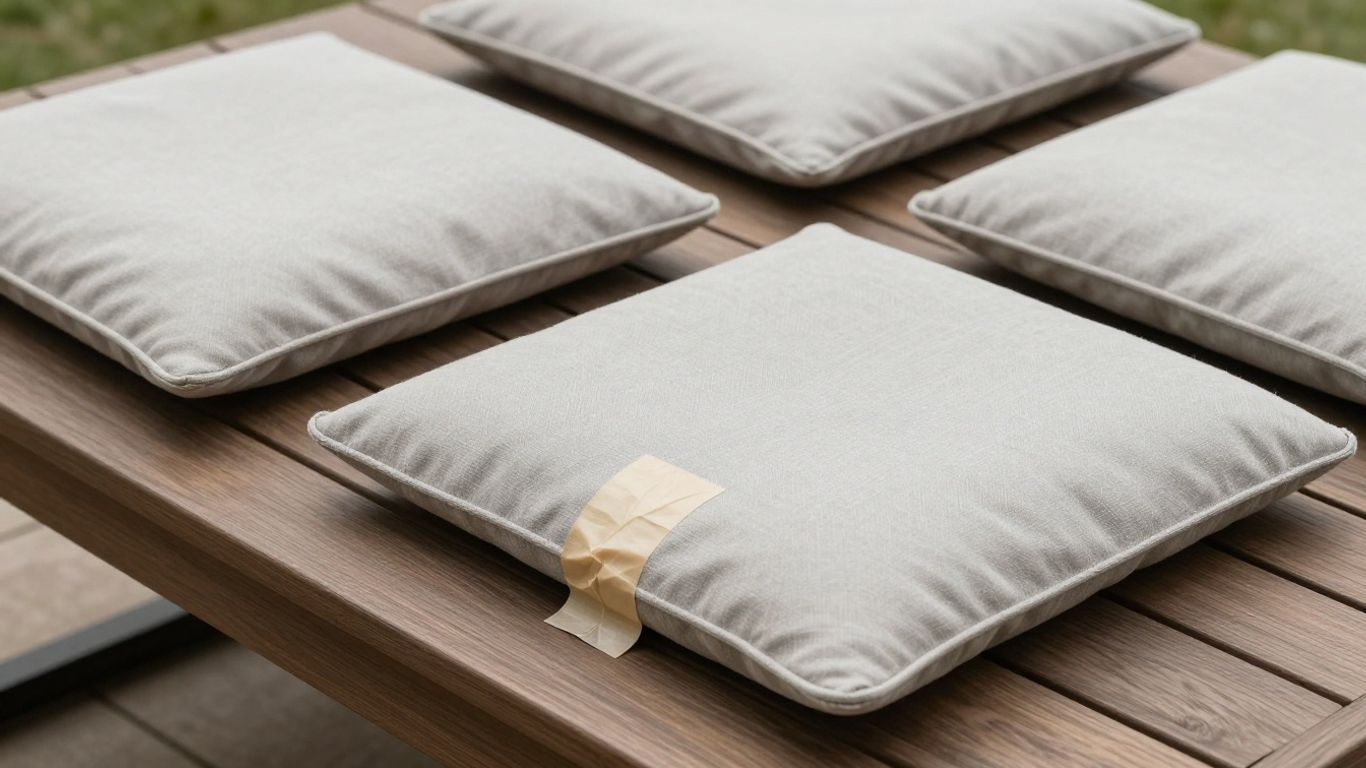
Sometimes, the simplest fixes are the best, and when it comes to keeping patio cushions from taking a trip across your deck, adhesives can be a real lifesaver. It’s a pretty straightforward approach, really. You’re basically just sticking things together so they don’t move. The key is choosing the right adhesive for outdoor use, something that can handle the sun, rain, and temperature changes without losing its grip.
Utilizing Hook-And-Loop Tape
Hook-and-loop tape, you know, the stuff like Velcro, is a popular choice for a reason. It’s easy to put on and take off, which is handy if you ever need to wash your cushions or store them away. You just cut strips of the tape and stick them onto the parts of the cushion and furniture that touch. Usually, you put the ‘hook’ side on the furniture and the ‘loop’ side on the cushion, or vice versa, depending on what makes sense for your setup. It creates a strong bond that keeps things from sliding around. Just make sure you get a type that’s made for outdoor conditions, as regular tape might not hold up well against the weather. For a really solid option, check out some heavy-duty hook and loop tape designed specifically for this kind of job.
Exploring Adhesive Fasteners
Beyond the standard hook-and-loop, there are other adhesive fasteners you might consider. Some products are essentially strong double-sided tapes designed for outdoor furniture. These can be great because they’re often less visible than hook-and-loop strips. You apply them to the furniture surface, peel off the backing, and then press the cushion down firmly. It creates a continuous bond that’s pretty tough to break. Another option is using specialized adhesive dots or squares, which can be more discreet and easier to apply in specific spots. These are good if you only have a few problem areas where the cushion tends to shift. Remember, the surface you’re sticking to needs to be clean and dry for the adhesive to work its best. If you’re looking for custom cushion solutions, places that make custom cushions might also have recommendations or even offer adhesive options as part of their service.
When applying any adhesive, take a moment to clean the surfaces thoroughly. Dust, dirt, or moisture can really weaken the bond, no matter how strong the adhesive claims to be. A quick wipe-down with a damp cloth and then letting it dry completely makes a big difference.
Employing Tie-Down Methods For Stability
Sometimes, you just need to tie things down. For patio cushions, this means using methods that physically attach them to your furniture, preventing any chance of them blowing away or sliding off. It’s a pretty solid approach, especially if you live in a breezy area.
Sewing On Fabric Ties
This is a classic method that looks pretty good, too. You can add fabric ties directly to the underside of your cushions. Think of them like little belts for your cushions. You’ll want to sew these onto the corners, usually on the back side where they won’t be seen. Then, you can loop these ties around the frame of your patio furniture. It’s a good idea to use a sturdy fabric for the ties themselves, something that can handle being pulled and exposed to the weather. You can even match the tie fabric to your cushions or outdoor decor for a more put-together look. If you’re looking to make your own, cutting strap material is a good place to start.
Securing With Zip Ties
If sewing isn’t your thing, or you just want a quicker fix, zip ties are a decent option. You’ll need to make small holes in the corners of your cushions and in corresponding spots on your furniture. Then, you just thread the zip ties through and cinch them up. It’s important to be careful not to make the holes too big, and maybe reinforce the fabric around the holes with a patch if you’re worried about tearing. This method is pretty effective, though it might not be the most attractive. You can always try to hide the zip ties with a throw blanket or by choosing ties that blend in.
Tie-down methods are particularly useful for outdoor furniture that doesn’t have a flat surface, like chairs with a more intricate frame. They offer a reliable way to keep cushions in place, even when subjected to wind or heavy use.
Leveraging Friction For Non-Slip Patio Cushions
Sometimes, the simplest solutions are the best, and when it comes to keeping patio cushions from sliding, friction is your friend. Instead of relying on adhesives or ties, you can use materials that naturally grip. This method is great because it doesn’t involve permanent changes to your cushions or furniture, and it’s super easy to set up.
Implementing Non-Slip Mats
Think of these like a rug pad for your furniture. You place a non-slip mat between the cushion and the furniture frame. The textured surface of the mat creates resistance, stopping the cushion from shifting. You can find these mats made from rubber or other grippy materials. They come in various sizes, and you can often cut them to fit your specific furniture pieces. A good quality mat can make a world of difference in keeping things in place, especially on smooth surfaces. It’s a quick fix that really works.
- Choose mats made from durable, weather-resistant materials.
- Cut the mat slightly smaller than the cushion for a cleaner look.
- Ensure the mat is clean and dry before placing the cushion on top.
Using Cushion Grippers
Another neat trick is using cushion grippers. These are often small, specialized clips or clamps designed to hold cushions down. You attach them to the edges of your furniture and then place the cushion on top. The grippers physically hold the cushion in place. They’re usually adjustable, so you can get a snug fit. This is a good option if you move your cushions around a lot or if you have furniture with tricky edges. Some people even use them on mattresses to stop them from sliding on the box spring. They’re a practical way to add stability without any fuss.
Cushion grippers offer a flexible solution, especially if you like to rearrange your outdoor space. They provide a physical anchor point without altering your cushions or furniture permanently.
These friction-based methods are fantastic because they’re low-effort and highly effective. They work by increasing the grip between the cushion and the furniture, preventing those annoying slides that happen when you sit down or when a breeze picks up. For a more robust solution, you might consider adding fabric ties in conjunction with these methods.
Combining Strategies For Maximum Security
Sometimes, one method just isn’t enough, especially if you’ve got a particularly breezy patio or furniture that just loves to shift. That’s where mixing and matching comes in. Think of it like wearing a belt and suspenders – you’re just adding extra layers of protection.
Layering Hook-And-Loop With Mats
This is a pretty solid combo. You can start by applying hook-and-loop tape to both the underside of your cushions and the furniture frame. Then, place a non-slip mat on top of the furniture before you put the cushion down. The tape gives you a direct connection, while the mat adds that extra bit of friction. It’s a two-pronged attack against sliding.
- Prep your furniture: Clean the surfaces where the hook-and-loop tape will attach.
- Apply tape: Stick the hook side to the furniture and the loop side to the cushion.
- Add the mat: Place a non-slip mat on the furniture, over the hook-and-loop tape if possible.
- Position cushions: Set your cushions on top of the mat.
This setup is great for keeping things in place, even with a bit of wind. You can find good outdoor-grade hook-and-loop tape at most hardware stores.
Assessing Your Environment For Best Practices
What works best really depends on your specific situation. Are you in a super windy area? Do you get a lot of rain? Do kids or pets tend to roughhouse on the furniture? Answering these questions helps you pick the right approach.
- Windy locations: Focus on tie-down methods like sewing on fabric ties or using zip ties. These offer a more secure hold than just friction alone. You might even consider adding straps that go around the furniture frame.
- Humid climates: Prioritize methods that allow for good airflow and prevent moisture buildup. While securing is important, keeping mildew at bay is also key. Consider cushions with removable, washable covers.
- High-traffic areas: If your furniture gets a lot of use, durability is important. Look for strong adhesives for your hook-and-loop tape and consider methods that don’t require frequent reapplication. Cushion grippers can be a good choice here because they’re easy to adjust and replace.
Ultimately, the goal is to create a stable seating area that requires minimal fuss. Don’t be afraid to experiment with different combinations until you find what keeps your cushions perfectly in place, no matter what the day throws at them. It might take a little trial and error, but the peace of mind is worth it. For more ideas on keeping your outdoor space tidy, check out these hacks for outside.
Combining methods can make a big difference. For instance, if you’re using hook-and-loop tape, but find it’s not quite enough, adding a non-slip mat underneath is a simple next step. Or, if you’ve sewn on ties, but they keep coming undone, maybe reinforce them with a small zip tie. It’s all about finding that sweet spot for your patio.
Choosing The Right Materials For Durability
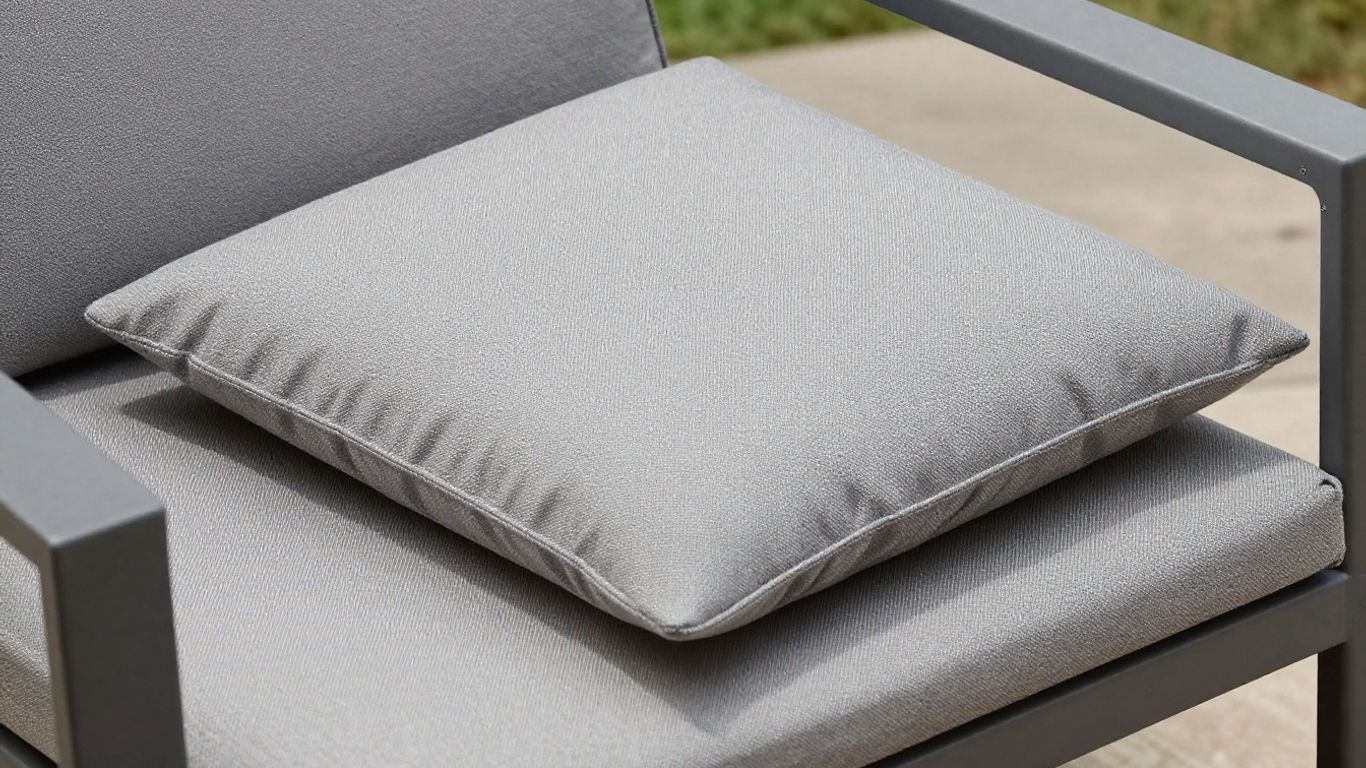
When you’re looking to keep your patio cushions from sliding around, the materials you choose for both the cushions themselves and any securing methods really matter. It’s not just about stopping the slip; it’s about making sure whatever you do lasts through sun, rain, and general wear and tear. Picking the right stuff means less fuss later on.
Selecting Weather-Resistant Fabrics
Your cushions are out in the elements pretty much all the time, so the fabric they’re made from is a big deal. You want something that can handle getting wet, drying out, and being baked by the sun without falling apart or looking sad. Fabrics like acrylics, polyesters, and Olefin are generally good choices for outdoor use. They’re designed to resist fading, mildew, and moisture. For example, Sunbrella fabric is a popular option because it’s known for being tough and long-lasting, even when it’s constantly exposed to the weather. When you’re shopping, look for descriptions that mention UV resistance and water repellency. This is key to keeping your cushions looking good and preventing them from becoming a soggy mess.
Opting For Outdoor-Grade Adhesives
If you’re using adhesives, like hook-and-loop tape or mounting strips, to keep your cushions in place, make sure they’re made for outdoor use. Regular tape or glue just won’t cut it. Outdoor adhesives are formulated to stick strong even when they get wet or hot. They’re designed to withstand temperature changes and moisture without losing their grip. For instance, Scotch® Extreme Fasteners are built to hold up in tough conditions, making them a reliable choice for securing cushions to furniture. Always check the product label to confirm it’s suitable for outdoor applications.
Using the wrong kind of adhesive can lead to frustration. It might seem like a good idea at the time, but if it fails after a few weeks or a rainstorm, you’re back to square one. Investing in products specifically designed for outdoor environments will save you time and effort in the long run.
Here’s a quick rundown of what to look for:
- Fabric: Look for materials that are fade-resistant, water-repellent, and mildew-resistant. Outdoor furniture fabrics often list these qualities.
- Adhesives: Choose products labeled for outdoor use, capable of handling moisture and temperature fluctuations.
- Ties/Straps: If using fabric ties or zip ties, opt for materials that won’t degrade quickly in sunlight or rain, like nylon or weather-treated cotton.
- Mats: Select rubber or vinyl mats that are specifically designed for outdoor use and won’t crack or become brittle in the cold or melt in the heat.
Conclusion
So there you have it! Keeping your outdoor cushions from sliding doesn’t have to be a constant battle. Whether you go with sticky tapes, secure ties, or grippy mats, there’s a solution for everyone. A little effort now means more relaxing time later, without the annoyance of cushions that won’t stay put. Enjoy your comfy outdoor space!
Frequently Asked Questions
What’s the easiest way to stop my cushions from sliding?
The simplest fix is often using non-slip mats. You just place them under your cushions, and the rubbery surface helps them grip the furniture. It’s super quick and doesn’t require any tools.
Will Velcro work on outdoor cushions?
Yes, Velcro, or hook-and-loop tape, can work well outdoors. Just make sure you get the kind made for outdoor use, as it’s designed to handle sun and rain better. Stick one side to the furniture and the other to the cushion bottom.
How can I stop cushions from sliding if I don’t want to use glue or tape?
You can sew fabric ties onto the corners of your cushions and then tie them to your patio furniture legs or frame. Another no-glue option is using zip ties, but you’ll want to be careful not to damage the fabric.
Are there special products for non-slip patio cushions?
Definitely! You can buy things called ‘cushion grippers’ or ‘non-slip pads’ specifically made for this. They’re designed to create friction and keep cushions from moving around.
What if my cushions are always blowing away in the wind?
For windy areas, tie-down methods are usually best. Sewing on ties or using zip ties will give you a more secure hold than just tape or mats. Combining ties with a non-slip mat can also help a lot.
How do I make sure my chosen solution lasts outside?
When picking a method, think about the weather. Use outdoor-rated adhesives, weather-resistant fabrics for ties, and durable non-slip materials. Storing cushions when not in use, especially during bad weather, will also help them last longer.