
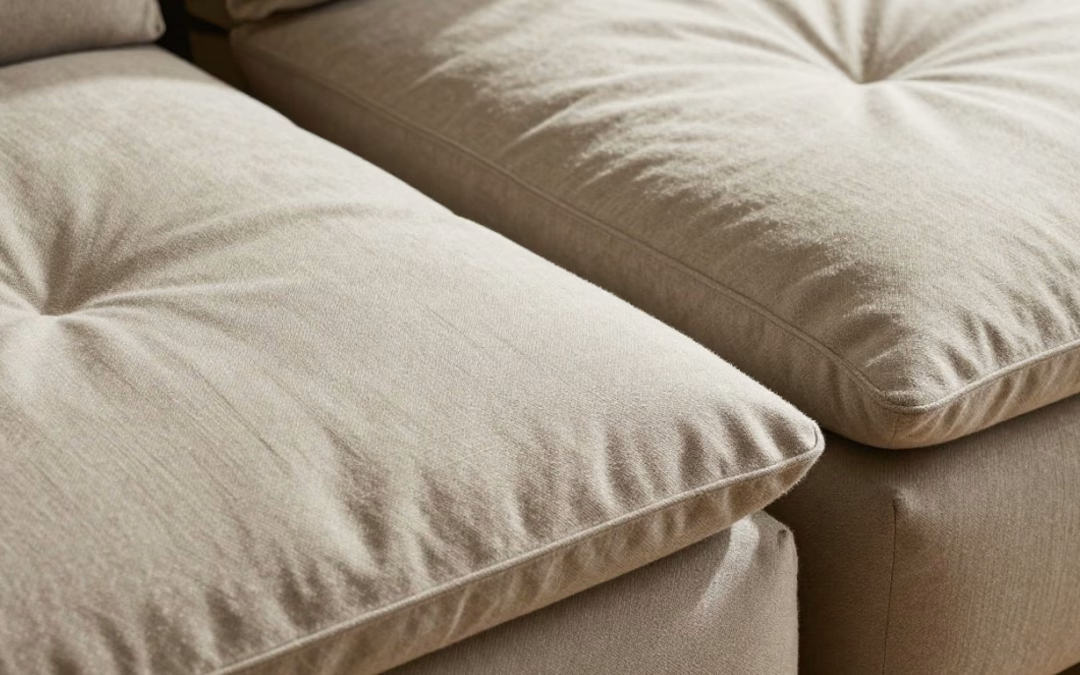
When looking for the best outdoor cushions, keep these main points in mind. They’ll help you pick something that’s both comfortable and built to last through sunny days and rainy spells.
Key Takeaways
- Thicker foam, especially high-density types, provides better support and lasts longer than thin or low-density foam.
- Open-cell foam is best for outdoor use because it lets water drain out quickly, preventing mold and mildew.
- Consider foam thickness based on furniture type: 2-3 inches for dining chairs, 4-5 inches for lounge chairs, and 5-6 inches for deep seating.
- Look for water-resistant fabrics, UV protection, and drainage holes to make your cushions more durable outdoors.
- A Dacron wrap can add an extra layer of softness on top of supportive foam for ultimate comfort.
Understanding Foam Density For Thick Foam Patio Cushions
When you’re looking for new patio cushions, you’ll see a lot of talk about foam. It’s what makes the cushion feel good, right? But not all foam is created equal, and there’s a big difference between just ‘firm’ and ‘high density’. Density is actually more important than firmness when it comes to how long your cushions will last and how well they’ll support you.
The Importance of Foam Density Over Firmness
Think of it like this: a foam might feel really firm when you first sit on it, but if it’s not dense, it can break down quickly. It’s like a cheap mattress that feels okay at first but sags after a few months. High-density foam, on the other hand, has more material packed into the same space. This means it holds its shape better and resists compression over time, even if it feels a little softer initially. For outdoor cushions, this durability is key. You want something that feels good today and still feels good next summer.
Why Higher Density Foam Offers Superior Support
Higher density foam means more support. It’s that simple. When you sit down, the foam compresses, but with higher density, it compresses more evenly and springs back better. This prevents that ‘bottoming out’ feeling where you feel the hard furniture underneath. For seating that gets a lot of use, like on a patio sofa or a favorite lounge chair, this superior support makes a huge difference in comfort and longevity. It’s the difference between a cushion that feels like a cloud and one that feels like a lumpy old pillow.
Choosing the Right Density for Your Seating Needs
So, what density should you aim for? For most outdoor seat cushions, a density of around 1.8 lb/ft³ is a good starting point. This offers a nice balance of comfort and support. If you’re looking for something really plush or for cushions that will see very heavy use, you might consider going even denser. However, keep in mind that extremely high densities can sometimes affect how well the foam drains, which is important for outdoor use. It’s a bit of a balancing act, but finding that sweet spot means you get cushions that are both comfortable and built to last. For example, outdoor replacement cushions often benefit from this higher density approach.
Foam density is a measure of how much material is packed into a cubic foot of foam. More material means more support and a longer lifespan for your cushions, even if it doesn’t feel rock hard.
Here’s a quick look at what density can mean:
- Lower Density (e.g., 1.2 lb/ft³): Can feel firm initially but may compress and sag over time. Less durable for outdoor use.
- Medium-High Density (e.g., 1.8 lb/ft³): Offers a good balance of comfort, support, and durability. A popular choice for outdoor seating.
- High Density (e.g., 2.5 lb/ft³ and up): Provides maximum support and longevity, ideal for heavy-use areas, but ensure it still allows for good drainage.
The Benefits of Thicker Foam in Outdoor Cushions
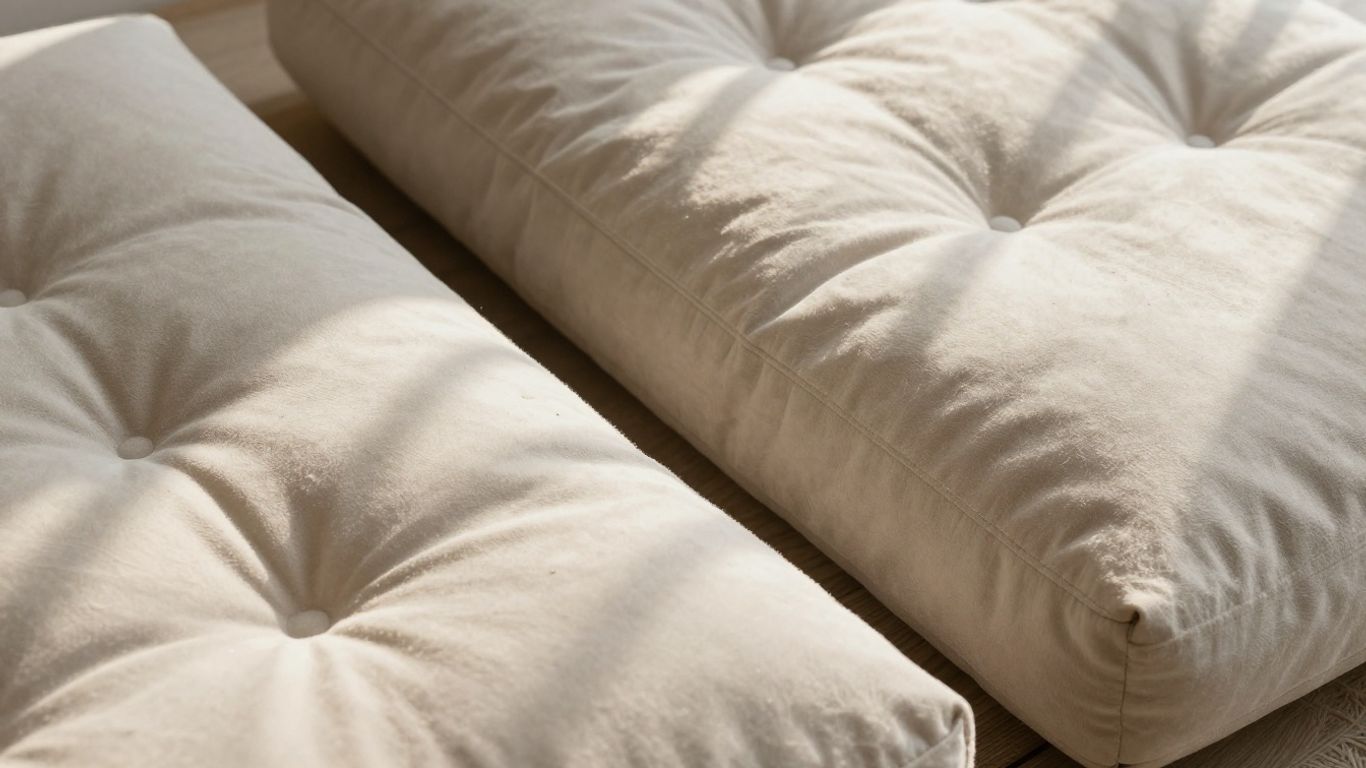
When you think about outdoor cushions, comfort is probably the first thing that comes to mind. And let’s be honest, nobody wants to sit on a hard, flat cushion, especially after a long day. That’s where thickness really makes a difference. A thicker cushion just feels more substantial, more inviting. It’s like the difference between sitting on a thin mat and sinking into a plush sofa.
Achieving Sofa-Like Comfort with Ample Thickness
Think about your favorite armchair indoors. Chances are, it’s got some serious padding. The same principle applies outdoors. Thicker foam, especially when it’s high-density, gives you that luxurious, sink-in feeling. It’s not just about softness, though. It’s about support. A good, thick cushion distributes your weight more evenly, preventing those uncomfortable pressure points that can make sitting outside less enjoyable. This kind of comfort means you can actually relax and spend more time enjoying your patio or deck. It transforms basic patio furniture into a cozy outdoor living space, perfect for long conversations or just unwinding with a book. For deep seating furniture, aiming for 5-6 inches of thickness is usually the sweet spot for that truly plush feel. You can find great options for outdoor replacement cushions that prioritize this comfort.
How Thickness Contributes to Cushion Longevity
It might seem counterintuitive, but thicker foam can actually last longer. Why? Because it has more material to compress before it starts to break down. Imagine a thin sponge versus a thick one. If you press down on both, the thin one will flatten out much faster. Thicker foam has more resilience. It can bounce back better after being sat on repeatedly. This means your cushions won’t get that dreaded
Selecting the Ideal Foam Type for Durability
When you’re picking out foam for your patio cushions, it’s not just about how soft it feels right off the bat. You really need to think about what’s going to hold up over time, especially when it’s out in the weather. For outdoor use, open-cell foam is usually the way to go. Why? Because it lets water drain right through. If water gets trapped inside closed-cell foam, it can be a real pain to get out, and that can lead to mold and mildew issues down the line. Nobody wants that.
Why Open-Cell Foam Drains and Dries Best
Open-cell foam has a structure that’s like a bunch of tiny interconnected bubbles. This network allows air and water to pass through easily. Think of it like a sponge that can actually dry out. This is super important for outdoor cushions because they’re going to get rained on or splashed. Quick drying means less time for mold and mildew to start growing, and your cushions will feel ready to use again much faster. It’s a big difference compared to foams that hold onto moisture.
The Drawbacks of Closed-Cell Foam for Outdoor Use
Closed-cell foam, on the other hand, has cells that are sealed off from each other. This makes it more resistant to water initially, but once water does get in, it’s trapped. Imagine trying to squeeze water out of a sealed plastic bag – it’s tough. For outdoor cushions, this trapped moisture can be a breeding ground for all sorts of unpleasant things. Plus, if the water gets between the foam and the cover, it can degrade both materials over time. It’s generally not the best choice for cushions that will be exposed to the elements regularly.
High-Density Foam: The Foundation of Quality Cushions
Regardless of whether you choose open-cell or closed-cell, the density of the foam is a really big deal for how long your cushions will last. Higher density foam means there’s more foam material packed into the same space. This makes it more supportive and less likely to break down or get squashed flat after just a season or two. You want foam that feels good but also has some backbone to it. For example, 1.8 lb./ft.³ density foam is a good step up from the typical 1.2 lb./ft.³ often used, offering better support and a longer lifespan. Going even denser, like CushionRite® Premium Upholstery Foam, can give you 10-12 years of use, but make sure it still has good drainage properties if it’s open-cell.
Choosing the right foam density is just as important as picking a durable fabric. It’s the internal structure that dictates how well your cushions will perform and how long they’ll stay comfortable, especially when exposed to regular use and outdoor conditions.
Enhancing Comfort with Foam and Additional Layers
So, we’ve talked about foam density and thickness, which are super important for the core of your cushion. But what about that extra bit of plushness? Sometimes, just plain foam, even good quality foam, can feel a little… well, plain. That’s where a few extra touches come in to really make your patio seating feel like a comfy living room.
The Role of Dacron Wraps for Added Softness
Think of Dacron, or polyester fiberfill, as a soft blanket wrapped around your foam core. It’s not about adding support, but rather about giving that initial touch a softer feel. When you first sit down, it’s this layer that you feel before you get to the firmer foam underneath. It smooths out any slight imperfections in the foam’s surface and just makes the whole experience feel a bit more luxurious. It’s like giving your cushion a gentle hug before you even sit on it. It’s a simple addition, but it makes a noticeable difference in how plush the cushion feels.
Combining Foam and Fiberfill for Back Cushions
Back cushions are a bit different from seat cushions. While seat cushions need to hold up to direct weight and pressure, back cushions are more about providing a comfortable lean. For these, a combination works wonders. Using a high-density foam core for support, and then wrapping it generously with polyester fiberfill, gives you that perfect balance. You get the support from the foam, but the softness and give from the fiberfill make it really comfortable to lean back against for hours. It prevents that stiff, unyielding feeling you might get from a foam-only back cushion.
Exploring Suspension Seating for Enhanced Support
Now, this is something you might not see right away, but it’s underneath the cushions themselves. Suspension seating systems, often found in higher-end furniture, are designed to work with the cushions to provide even better support and comfort. Think of it like the springs in a good mattress or sofa. These systems distribute weight more evenly and add a bit of bounce, reducing the strain on the foam itself. This not only makes sitting more comfortable but also helps your cushions last longer because they aren’t taking all the pressure alone. It’s a smart way to build comfort from the ground up, making your outdoor furniture feel more like indoor furniture. You can find custom-cut foam cushions that fit perfectly into various furniture types, from window seats to outdoor benches, optimizing these benefits.
Adding these layers, like Dacron wraps and considering suspension systems, transforms a basic cushion into something truly special. It’s about layering comfort and support, ensuring that your outdoor seating is as inviting as any spot inside your home. These details might seem small, but they add up to a much better seating experience over time.
Key Features for Long-Lasting Thick Foam Patio Cushions
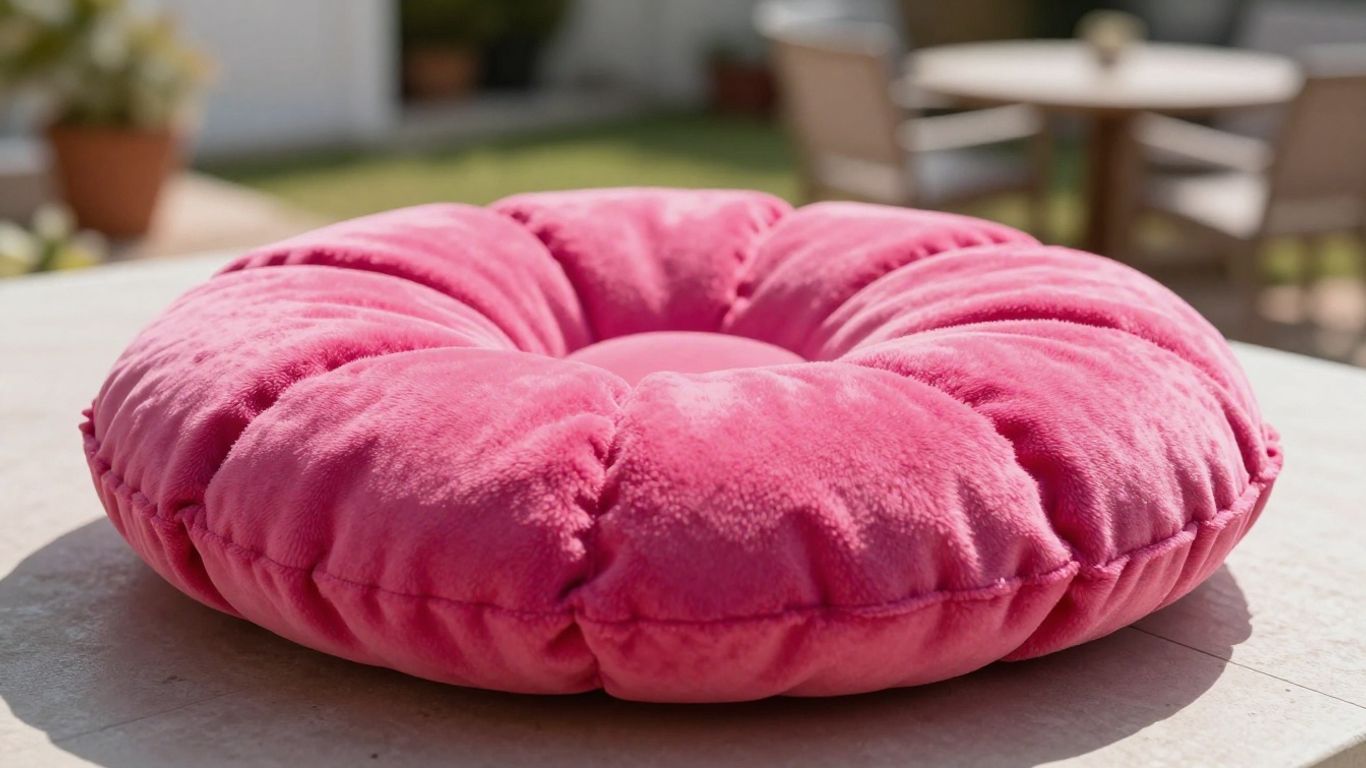
So, you’ve picked out some nice thick foam for your patio cushions, which is a great start. But what else makes them actually last through sun, rain, and whatever else the weather throws at them? It’s not just about the foam itself, you know. There are a few other things to look for that make a big difference.
First off, the fabric is a huge deal. You want something that can handle being outside. Look for fabrics that are treated to resist water. This doesn’t mean they’re totally waterproof – nothing really is – but they’ll shed most of the rain and dew. This water resistance is key to preventing mold and mildew from setting up shop inside your cushions. It also means they’ll dry out a lot faster after a shower, so you’re not stuck with soggy seats.
Then there’s how the cushions handle the sun. We all love a sunny day, but the sun can really beat up fabrics over time, making them fade and get brittle. So, keeping an eye out for UV resistance is smart. This helps keep those vibrant colors looking good for longer, so your patio doesn’t start looking tired after just one season. It’s like sunscreen for your cushions.
Here are some other important features to keep in mind:
- Quick-Dry Foam Cores: This goes hand-in-hand with water-resistant fabrics. Even if water gets through, the foam should let it drain out easily. Open-cell foam is usually the way to go here because it’s designed to let water pass through quickly, unlike closed-cell foam which can trap moisture.
- Drainage Grommets: These are little holes, usually in the bottom of the cushion. They’re like little escape routes for any water that might get trapped. They help the cushions dry out from the inside, which is super important for preventing that musty smell and potential damage.
- UV-Resistant Thread and Construction: Even the best fabric can be undone by weak stitching. Make sure the thread used to put the cushion together is also built to withstand the sun. This prevents seams from breaking down prematurely.
When you’re looking at cushions, think about how they’re put together. It’s not just about the main material. Little details like reinforced corners and strong zippers can add years to a cushion’s life. It’s the sum of all these parts that really makes a difference in the long run. You want something that feels good now and keeps feeling good, season after season.
Choosing cushions with these features means you’re investing in comfort that lasts. It’s about getting more bang for your buck and spending less time worrying about replacements and more time enjoying your outdoor space. Remember, good quality outdoor cushions are built to withstand the elements, and these features are what help them do just that. For a truly long-lasting solution, consider cushions made with durable, open-cell foam that’s designed to endure.
Conclusion
Choosing the right thick foam patio cushions really makes a difference for your outdoor comfort and how long they last. Don’t just pick any cushion; think about the foam inside. Higher density foam, especially in a good thickness, will give you that comfy, supportive feel that holds up over time. Combine that with the right fabric and drainage features, and you’ve got outdoor cushions that you can enjoy for many seasons. It’s an investment that pays off in relaxation and fewer replacements down the road.
Frequently Asked Questions
What makes thick foam better for patio cushions?
Thick foam, especially when it’s dense, gives you more cushioning and support. It feels more like indoor furniture and doesn’t get squished down as easily over time. So, you get a comfier seat that lasts longer.
Should outdoor cushions be firm or soft?
It’s not really about being firm, but about density. High-density foam is better because it has more material packed in. This means it holds its shape and provides good support without feeling too hard, even if it feels a bit soft to the touch.
What kind of foam is best for outdoor cushions?
You’ll want open-cell foam. It might sound strange, but this type of foam lets water pass right through it. This is super important because it means your cushions will dry much faster after it rains, helping to stop mold and mildew from growing.
How thick should my patio cushions be?
It depends on the furniture. For dining chairs, 2 to 3 inches is usually good. For comfy lounge chairs, aim for 4 to 5 inches. If you have deep seating furniture like a sofa, 5 to 6 inches will give you that really plush, sink-in feeling.
What other features should I look for in outdoor cushions?
Besides good foam, check for fabrics that resist water and fading from the sun. Also, cushions with drainage holes or grommets at the bottom are great because they let any trapped water escape quickly.
Can I add extra comfort to my foam cushions?
Yes, you can! Sometimes, a layer of soft material called Dacron is wrapped around the foam. This adds a nice, soft touch on top of the supportive foam, making the cushion feel even more comfortable.