
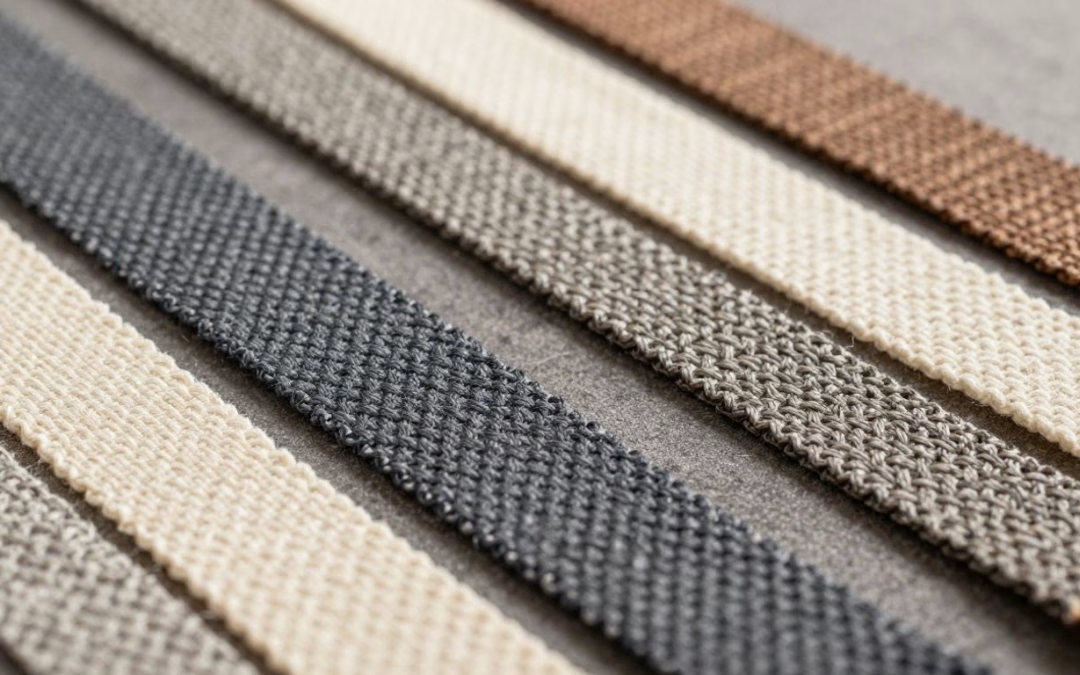
When working on furniture, the webbing you choose makes a real difference in how it feels and how long it lasts. Here are the main things to remember about the different types of webbing available for upholstery projects.
Key Takeaways
- Jute webbing is a natural, strong option great for traditional furniture and restoration projects, but it often needs springs.
- Rubber webbing offers excellent stretch and durability without needing extra springs, making it ideal for modern, streamlined pieces.
- Polypropylene webbing is a synthetic choice that resists water and rot, perfect for outdoor or moisture-prone furniture.
- Black and white (English) webbing is a sturdy woven type, often used for a solid base, especially with certain spring systems.
- The best webbing choice depends on the furniture’s style, its intended use, and whether you need elasticity or firm support.
Understanding The Different Types Of Webbing For Upholstery
When you’re looking to give a piece of furniture a facelift, whether it’s a comfy armchair or a sturdy sofa, the webbing underneath is a big deal. It’s not just some random fabric strip; it’s actually the foundation that supports you when you sit down. Think of it like the skeleton of the seating area. Getting the right kind of webbing can make a huge difference in how comfortable and long-lasting your furniture feels.
What Is Upholstery Webbing?
So, what exactly is this stuff? Upholstery webbing is basically a strong, tightly woven fabric, usually in long strips. Its main job is to provide a supportive base for cushions and other upholstery materials. It’s stretched across the furniture frame, and it’s what holds everything up. Without good webbing, your cushions will sag, and the furniture just won’t feel right. It’s used in all sorts of furniture, from chairs and sofas to even car seats and backpacks, though the specific type might change depending on the use.
Key Considerations When Choosing Webbing
Picking the right webbing isn’t a one-size-fits-all situation. You’ve got to think about a few things before you buy. The type of furniture you’re working on is a big one. Is it a heavy-duty sofa that gets a lot of use, or a decorative chair that’s mostly for show? The material itself matters too – natural fibers have a different feel and durability than synthetics. You also need to consider how it’s installed and what kind of support it needs. For instance, some types work best with springs, while others don’t need them at all. The overall look you’re going for can also play a part.
Here are some common factors to keep in mind:
- Durability: How long do you need it to last? High-traffic furniture needs something tougher.
- Flexibility: Does it need to have some give, or be completely rigid?
- Environment: Will the furniture be used outdoors? Water resistance becomes important then.
- Installation: Some types are easier to work with than others, especially if you’re new to upholstery.
- Cost: Prices can vary quite a bit between different materials.
The Importance of Webbing in Furniture Construction
Honestly, webbing is one of those unsung heroes in furniture. It’s often hidden away, but its role is pretty significant. It’s not just about comfort; it’s about structural integrity. Good webbing prevents the frame from taking too much stress and helps distribute weight evenly. This means your furniture lasts longer and stays comfortable for years. Think about it: if the webbing fails, the whole seating system can collapse. It’s the backbone that keeps your furniture from feeling tired and worn out prematurely. For example, couch upholstery in Pretoria can revitalize old furniture, and the webbing is a key part of that restoration.
Webbing is the unsung hero of upholstery, providing the essential support structure that dictates both comfort and longevity. Its proper selection and installation are paramount to the success of any furniture project, ensuring a stable and pleasant seating experience.
Exploring Natural Fiber Webbing Options
When you’re diving into upholstery, especially if you’re working with older pieces or aiming for that classic look, natural fiber webbing is often the way to go. It’s got a history, you know? For ages, it was pretty much the only game in town before all the synthetic stuff came along.
Jute Webbing: A Traditional Choice
Jute webbing is a real workhorse in the upholstery world. It’s made from the fibers of the jute plant, which gives it a sturdy, natural feel. This webbing is known for its strength but lacks elasticity, meaning it won’t stretch much on its own. Because of this, it’s usually paired with coil springs to give furniture that comfortable bounce and support we all like. It’s a go-to for many furniture makers, especially when they want that traditional construction method.
Characteristics and Uses of Jute Webbing
So, what makes jute webbing stand out? Well, for starters, it’s pretty breathable, which is a nice bonus. It’s also quite strong, but over time, it can start to sag a bit if it’s not properly supported. That’s why you’ll often see it used on the seats and backs of furniture frames, acting as a base for other upholstery components like springs. It’s a popular choice for wooden frames and projects where you want to stick with natural materials. If you’re looking for upholstery supplies, you’ll find jute webbing is widely available.
Here’s a quick rundown:
- Material: Natural jute fibers.
- Support: Requires coil springs for comfort and elasticity.
- Feel: Sturdy and natural.
- Durability: Strong, but can sag without proper spring support.
- Best For: Traditional furniture, wooden frames, DIY projects.
Jute webbing has been a staple in furniture making for a very long time. Its natural fibers offer a solid foundation, but its lack of inherent stretch means you’ll often need to incorporate springs to achieve the desired comfort and resilience in your finished piece.
Jute Webbing in Vintage and Restoration Projects
If you’re into restoring vintage furniture or working on projects that have a historical feel, jute webbing is often the perfect fit. It’s what was used back in the day, so using it helps maintain the authenticity of the piece. You might find it in older chairs or sofas where the original webbing needs replacing. It’s a classic choice for anyone wanting to keep their furniture looking and feeling like it did when it was first made. For those tackling furniture restoration, using jute webbing can really bring an old piece back to life authentically.
Discovering Elastic And Resilient Webbing
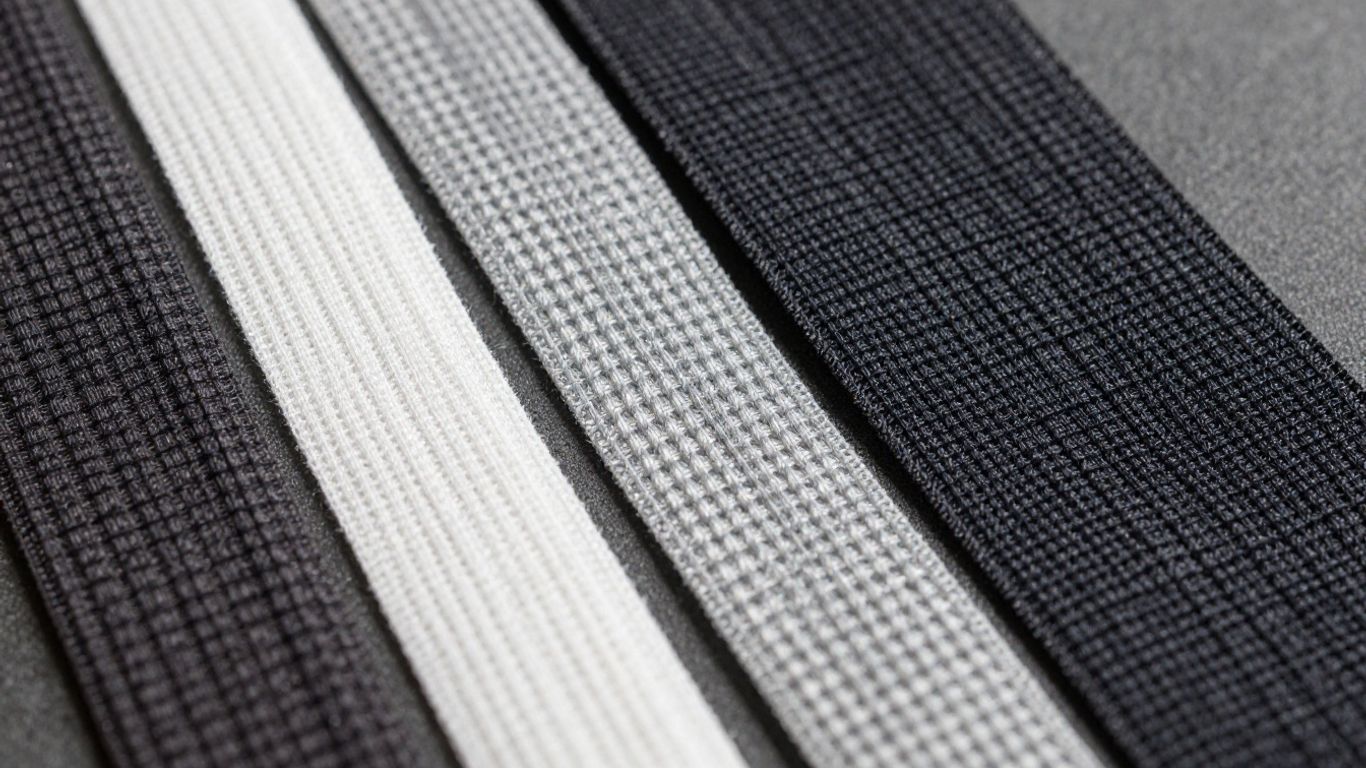
When you’re looking to add some bounce and flexibility to your furniture, elastic and resilient webbing options are the way to go. These types of webbing offer a different kind of support compared to the more rigid natural fibers. They’re particularly useful when you want to avoid the bulk and cost of traditional spring systems.
Rubber Webbing: Strength and Flexibility
Rubber webbing is a real workhorse in the upholstery world. It’s known for being super stretchy and strong, which means you often don’t need to bother with coil springs underneath. This can really cut down on production time and material costs. If your furniture frame has little grooves, the rubber webbing usually just clips right in. No grooves? No problem. You can just staple or tack it onto a wooden rail. It’s a popular choice because it doesn’t sag over time like some other materials might. Many furniture makers, especially in Europe, rely on rubber webbing for its lasting comfort and support. It’s a go-to for pieces that see a lot of use.
Advantages of Using Rubber Webbing
There are several good reasons why an upholsterer might pick rubber webbing:
- No Springs Needed: This is a big one. It simplifies the construction process and saves money.
- Durability: It holds up well over time and doesn’t lose its supportive qualities easily.
- Flexibility: Its inherent stretchiness allows for a comfortable, yielding surface.
- Versatile Fixing: Works well in furniture with pre-made grooves or can be attached to wood.
Using rubber webbing can significantly change the feel and construction of a piece of furniture. It offers a modern approach to support that’s both practical and comfortable for everyday use.
Applications for Rubber Webbing in Modern Furniture
Rubber webbing is fantastic for all sorts of furniture. Think about modern sofas and chairs where a sleek design is key – rubber webbing fits right in. It’s also great for pieces that need to be a bit more forgiving, like lounge chairs or even some types of office seating. Because it’s so resilient, it’s a solid choice for high-traffic items that need to withstand daily wear and tear. You’ll find it used in everything from high-end designer chairs to more budget-friendly options, all seeking that perfect balance of comfort and longevity without the fuss of traditional springs.
Examining Durable Synthetic Webbing Materials
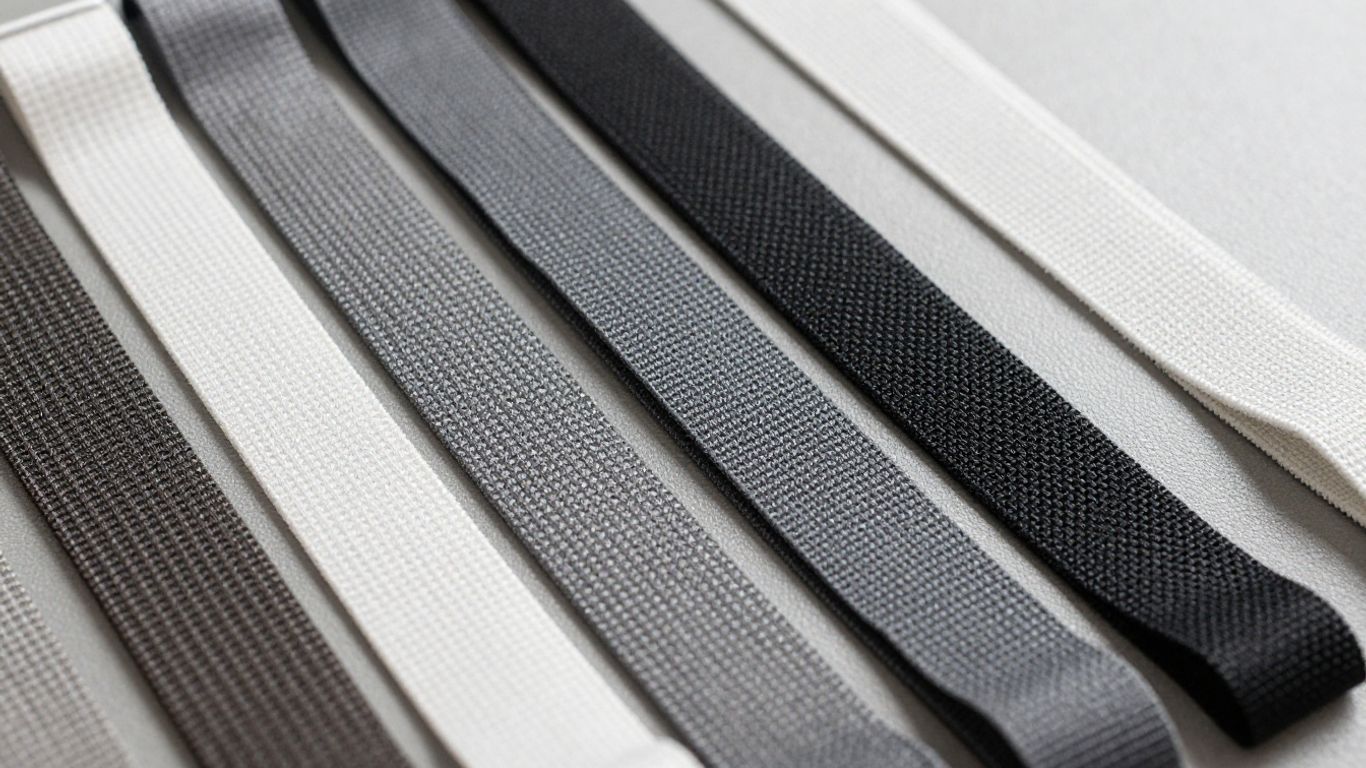
When you’re looking for webbing that can stand up to a lot, synthetic options are definitely worth a look. These materials are often engineered for specific strengths, making them a great choice for furniture that sees a lot of use or might be exposed to the elements. They offer a different set of advantages compared to natural fibers, like jute, which can be prone to rot or water damage.
Polypropylene Webbing: Water Resistance and Longevity
Polypropylene, often just called poly webbing, is a synthetic material that’s made from petroleum. It feels a bit like plastic and is known for being really tough. One of its biggest selling points is its resistance to water and rot. This makes it a fantastic option if you’re working on outdoor furniture or pieces that might get damp. Unlike jute, which can break down over time when wet, polypropylene holds up much better. It’s also quite strong and can support a good amount of weight, similar to jute, but without the worry of moisture damage. While it might cost a little more upfront than traditional webbing, its durability often makes it a more cost-effective choice in the long run, especially for outdoor upholstery projects.
Benefits of Polyolefin Webbing for Outdoor Use
Polyolefin is a broader category that includes polypropylene, and webbing made from these materials is particularly well-suited for outdoor furniture. Think patio chairs, benches, or anything that will live outside. Its resistance to mildew and UV rays means it won’t degrade quickly when exposed to sun and rain. This type of webbing doesn’t require springs for support, which simplifies construction and can lower costs. It’s a modern solution that offers a firm feel and a long lifespan, even in challenging environments. You’ll find it’s a popular choice for marine applications too, thanks to its water-friendly nature.
Comparing Synthetic Webbing to Natural Fibers
So, how do these synthetics stack up against the natural stuff, like jute? Well, jute is a classic for a reason – it’s natural and has been used for ages. However, it does have its drawbacks. It needs coil springs for support and can sag or rot if it gets too wet. Synthetic webbing, on the other hand, often doesn’t need springs, is much more resistant to moisture and decay, and generally lasts longer, especially in tough conditions. While jute might be a go-to for vintage restorations where authenticity matters, synthetics like polypropylene are often the smarter pick for modern, high-use, or outdoor furniture.
Here’s a quick look at some key differences:
- Water Resistance: Synthetics (polypropylene, polyolefin) excel; natural fibers (jute) are susceptible.
- Durability: Synthetics generally offer longer lifespan, especially outdoors.
- Maintenance: Synthetics are low-maintenance; natural fibers may require more care.
- Springs: Many synthetics don’t require additional springs, unlike jute.
When you’re deciding between synthetic and natural webbing, think about where the furniture will live and how it will be used. For pieces that will be outside or in a humid environment, a synthetic like polypropylene is usually the way to go. It’s built to last and won’t give you as many headaches down the line. For those seeking a more traditional look or working on a vintage piece, jute might be your preference, but be prepared for its specific needs. The Cushioncraft Synthetic Jute Webbing is an interesting option that bridges the gap, offering zero-stretch and durability without the natural fiber drawbacks.
Considering Specialized Webbing Varieties
Sometimes, the standard jute or rubber just won’t cut it for a specific upholstery job. That’s where these specialized webbings come into play, offering unique solutions for particular needs. They might not be the everyday go-to, but when you need them, they’re incredibly useful.
Black and White Webbing: A Strong Foundation
Often called "English webbing," this type is a bit of a workhorse. It’s typically made from a blend of jute and cotton, woven in a strong twill pattern. This webbing is fantastic for creating a solid, durable base on furniture frames. It’s especially recommended when you’re dealing with double cone spring systems. The herringbone weave, common in black and white webbing, is really good at handling the pressure from these springs without damaging older frames. It’s a reliable choice for giving furniture that sturdy feel.
English Webbing for Specific Spring Systems
As mentioned, "English webbing" is another name for the black and white variety, and its design is particularly suited for certain types of spring setups. Think of those double cone springs – they need a webbing that can take a beating and hold firm. This type of webbing provides that necessary strength and stability. It’s less prone to sagging than some other natural fibers, offering a more consistent support over time. If you’re restoring a piece with these specific springs, English webbing is often the best bet.
Elasticated Webbing: Ease of Use and Limitations
Elasticated webbing, sometimes referred to as rubber webbing, is a bit different. It’s made with natural rubber and elastic yarns, giving it a lot of stretch. This makes it super easy to work with; you often don’t need a special webbing stretcher to get it taut. You can even cut it into thinner strips if needed, and it won’t fray. It’s great for modern furniture where a bit of give is desired, and it can reduce the need for more complex spring systems, potentially lowering production costs. However, while it’s flexible, it might not offer the same rigid support as jute or black and white webbing for heavier applications. It’s a popular choice in furniture manufacturing, making up a large percentage of products in Europe.
When selecting webbing, always consider the final use of the furniture. A sofa meant for lounging might benefit from the slight give of elasticated webbing, while a dining chair might need the firm support of a traditional jute or black and white weave. Getting the right webbing is key to both comfort and longevity.
Conclusion
Choosing the right webbing is a big part of making furniture last and feel comfortable. Whether you’re going for a classic look with jute, need the flexibility of rubber, or want the toughness of synthetics, there’s a webbing out there for your project. Understanding these options helps you create furniture that’s not just good-looking, but also built to last. So next time you’re thinking about a reupholstery job, remember that the foundation matters – and that’s where webbing comes in.
Frequently Asked Questions
What exactly is upholstery webbing?
Upholstery webbing is basically strong fabric strips, like a tough ribbon, that you stretch across the frame of a chair or sofa. It acts as a supportive base for the cushions and padding, making sure the seat feels firm and comfortable.
Why are there different kinds of webbing?
Different types of webbing are made from different stuff, like plants (jute) or rubber, or even plastic-like materials. Each one has its own strengths. Some stretch a lot, some are super tough, and some don’t mind getting wet. You pick the one that works best for the kind of furniture you’re fixing up.
Can I use any webbing for any chair?
Not exactly. Some webbing, like jute, is best for older styles where you also use springs. Rubber webbing is great for modern stuff because it has its own bounce. And if you’re making outdoor furniture, you’ll want something that won’t get ruined by rain, like polypropylene.
Does webbing sag over time?
Some types of webbing can sag a bit after a while, especially if they’re older or not the best quality. Jute can sometimes sag. Rubber webbing and some synthetic ones are known for holding their shape much better, so they last longer without getting droopy.
Do I always need springs with webbing?
You don’t always need springs. Rubber webbing is super stretchy on its own, so it provides the bounce and support needed without extra springs. Some other types, like jute, work best when paired with coil springs to give that comfy, supportive feel.
How do I know if my furniture’s webbing needs replacing?
If your seat feels really soft or you can feel the springs digging in, the webbing might be worn out. You can sometimes test it by gently pressing down – if it feels weak or bounces back strangely, it’s probably time for new webbing. It’s also a good idea to check if it’s starting to break or look really loose.