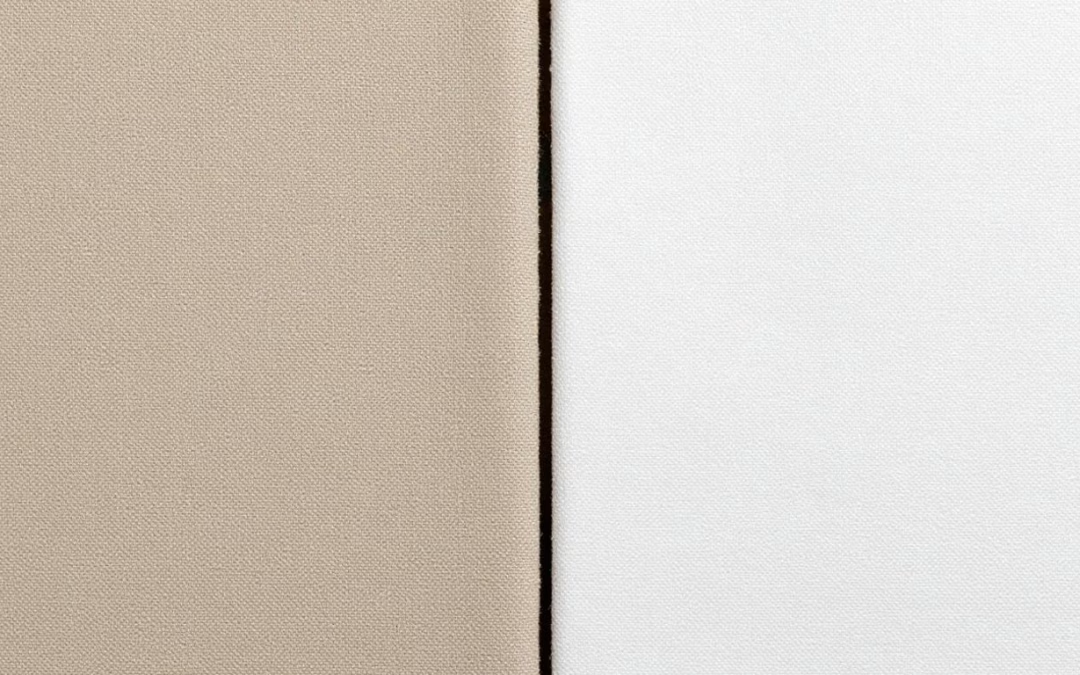
Deciding between waxed canvas and treated canvas can be tough. Here are the main points to remember to help you choose the best material for your needs.
Key Takeaways
- Waxed canvas is cotton fabric treated with wax, making it water-resistant and durable. It develops a unique look over time.
- Treated canvas often refers to leather that’s been treated for water resistance or other properties. It can be very long-lasting.
- Waxed canvas needs occasional re-waxing to keep its water-repellent qualities. It’s generally easy to clean.
- Treated canvas (like leather) requires more regular care, including cleaning and conditioning, to prevent drying or damage.
- The best choice depends on your lifestyle, how you’ll use the item, and how much maintenance you’re willing to do.
Understanding Waxed Canvas vs Treated Canvas
What Constitutes Waxed Canvas?
Waxed canvas isn’t just some fabric that’s been dipped in wax. It’s actually a pretty specific thing: a tightly woven cotton canvas that gets treated with a special wax mixture. Think paraffin or beeswax, the kind of stuff that’s been used for ages, like when sailors needed their sails and gear to handle salty spray and rough weather. The wax fills up all the tiny spaces between the cotton threads. This creates a barrier that’s really good at keeping water out, but the material can still breathe. Unlike some synthetic waterproof stuff that feels stiff and plasticky, waxed canvas keeps a natural, soft feel that actually gets better the more you use it.
The History and Evolution of Waxed Canvas
This material has been around for centuries, and it’s got a pretty cool history in outdoor gear and workwear. Its use in clothes and bags has shown it’s tough and versatile, able to last a lifetime and still be relevant today. The way it’s made has evolved a bit over time. Originally, it was all about natural waxes, but now, manufacturers often use paraffin-based waxes, sometimes mixed with other stuff to boost water resistance even more. The density of the weave, how thick the yarn is, and the quality of the wax all play a role in how strong and good the material ends up being. It’s a breathable, super tough fabric that gets softer when it’s warm and stiffer when it’s cold. It’s pretty amazing how something so old is still a top choice for durable goods.
Defining Treated Canvas Properties
When we talk about "treated canvas," it’s a bit broader. It means the canvas has undergone some kind of process to give it new properties, often to make it more resistant to water, stains, or wear. This can involve different chemicals or coatings, and the exact properties depend heavily on what treatment was applied. For instance, some treatments might make it highly water-repellent, while others focus on making it tougher against abrasion. Unlike waxed canvas, which has a very specific wax-based treatment, "treated canvas" can cover a wider range of finishes. The key difference is that the treatment is often more about adding a surface-level protection rather than infusing the fabric’s fibers like wax does. This can mean that treated canvas might not develop the same kind of character or patina over time as its waxed counterpart. It’s important to know what kind of treatment your canvas has received to understand its performance and care needs. For example, some treatments might offer a more consistent look, while others might be designed to mimic natural materials. A 2022 study found that properly maintained waxed canvas can increase product lifespan by 50% compared to untreated dry canvas, especially in harsh environments [3bdb].
Understanding the specific treatment applied to canvas is key. It dictates everything from its water resistance to how it ages and what kind of care it needs. Don’t assume all treated canvas is the same; the details matter a lot.
Durability and Longevity Comparison
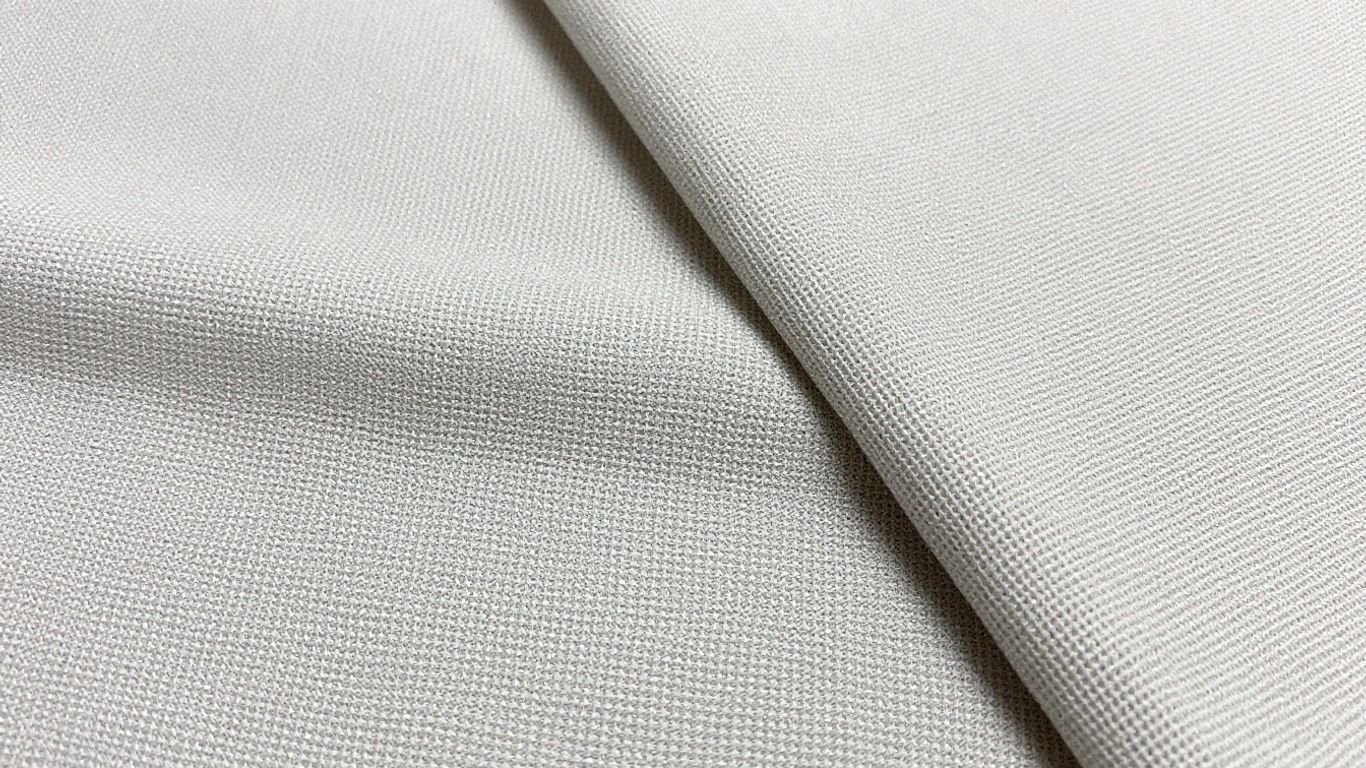
When we talk about how long things last, especially gear we rely on daily, it’s easy to get caught up in numbers. But the real story is often in how these materials hold up against the everyday grind.
Long-Term Endurance of Waxed Canvas
Waxed canvas is known for being tough. Think of old-school workwear or sailing gear; that’s the kind of resilience we’re talking about. A well-made waxed canvas bag can easily see you through a decade or more of regular use. The canvas itself is pretty resistant to tears and punctures, which is a big plus. The key to its longevity often comes down to the quality of the hardware and the stitching, not just the fabric itself. Over time, the wax coating might thin out, especially in spots that get a lot of friction, but this is usually fixable with a bit of re-waxing. A 2022 study even suggested that properly maintained waxed canvas can last significantly longer than untreated canvas in tough conditions.
The Lifespan of Treated Canvas
Now, when we say ‘treated canvas,’ it can mean a few different things, but generally, it implies some form of coating or finish applied to make it more robust. Unlike waxed canvas, which has a distinct waxy feel and requires re-waxing, other treatments might offer different benefits. Some treatments focus on making the canvas more water-repellent or stain-resistant without the same kind of maintenance cycle as wax. The lifespan here really depends on the specific treatment used. Some treatments are very durable and can last for years, while others might wear off more quickly, especially with heavy use or exposure to the elements. It’s less about a traditional ‘patina’ and more about maintaining the integrity of the initial treatment.
Real-World Wear and Tear
Let’s be honest, most of us aren’t treating our bags like museum pieces. We’re stuffing them with groceries, tossing them in the car, or slinging them over our shoulders day in and day out. This is where the rubber meets the road, or in this case, the canvas meets the pavement.
Here’s a quick look at how they generally stack up:
- Waxed Canvas: Develops a unique look over time, often called a patina. It gets softer and more characterful with age. Minor scuffs and scratches tend to blend in. The main thing to watch for is the wax wearing thin, which can affect water resistance.
- Treated Canvas: The appearance depends heavily on the treatment. Some treatments might show wear more obviously, like fading or peeling if not top-notch. Others are designed to be very subtle. The durability is tied to how well the treatment adheres and resists abrasion.
Ultimately, both materials are built to outlast cheaper synthetic options. The choice often comes down to personal preference for how the material ages and the level of care you’re willing to give it. For many, the practical advantages of one over the other in daily use are more important than theoretical maximum lifespan.
If you’re looking for something that can handle a bit of everything and looks better the more you use it, waxed canvas is a solid choice. It’s a material that tells a story with every scuff and crease.
Performance in Various Conditions
When you’re out and about, the weather can really do a number on your gear. So, how do these two materials stack up when things get a bit rough?
Water Resistance: Waxed Canvas vs Treated Canvas
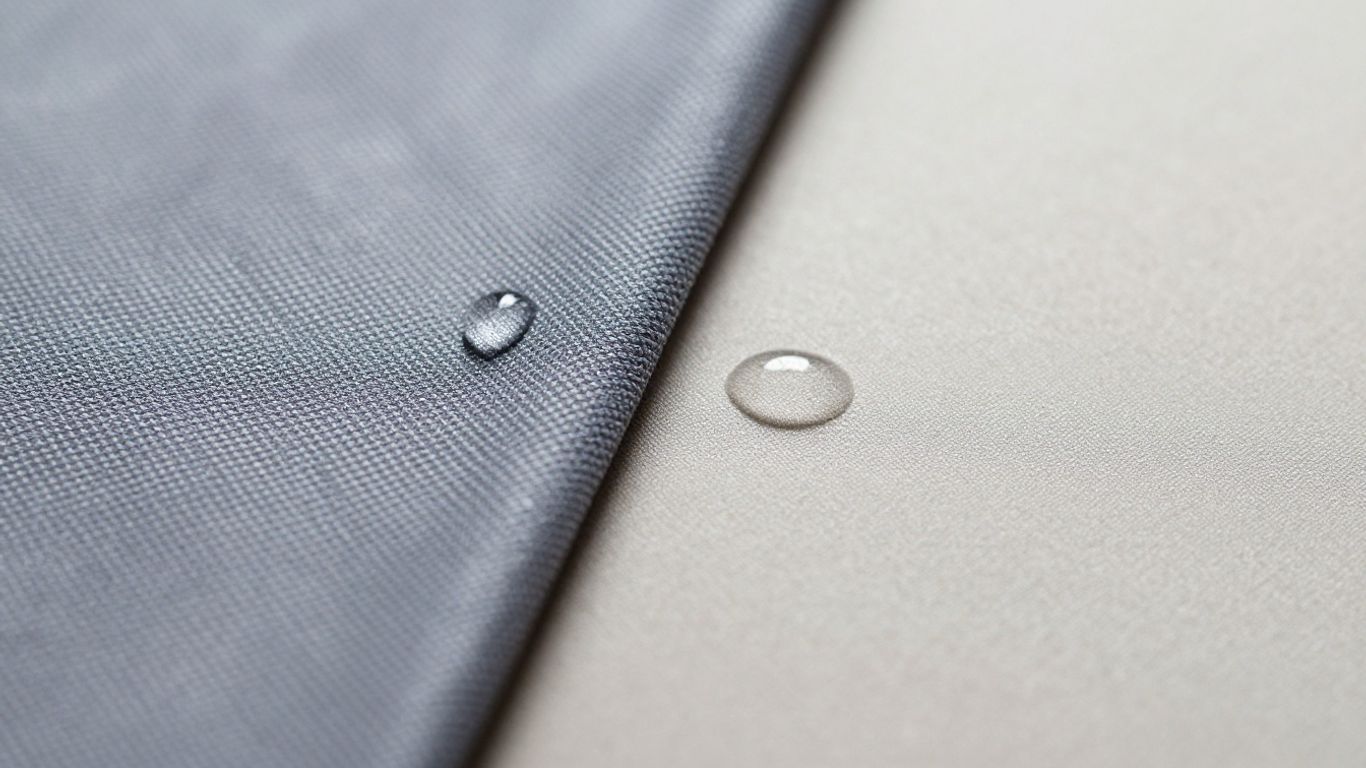
This is where waxed canvas really shines. The wax coating creates a barrier that makes water bead up and roll right off. Think of it like a duck’s back – water just doesn’t stick. This means that if you get caught in a sudden shower, your stuff inside is much more likely to stay dry. It’s pretty impressive, actually. Treated canvas, on the other hand, offers some water resistance, but it’s not usually as robust as a good waxing. The treatment might repel light moisture, but a heavy downpour could eventually soak through.
Waxed canvas offers significantly enhanced water repellency, up to 80% better than dry canvas. The wax treatment also increases the fabric’s weight by 15-25% [bc3a].
Resistance to Stains and Dirt
Both materials can handle a bit of everyday grime. Waxed canvas, with its waxy surface, tends to shed dirt and dust pretty well. You can often just brush it off. Stains are also less likely to soak in deeply. Treated canvas can also resist stains, but the effectiveness really depends on the specific treatment used. Some treatments are designed to repel liquids, which helps prevent stains from setting.
Behavior in Extreme Temperatures
When it gets cold, some materials can become stiff and brittle, which isn’t ideal. Waxed canvas generally holds up well in colder temperatures; it doesn’t tend to stiffen up like some other fabrics might. This is a big plus if you live somewhere with harsh winters. Treated canvas behavior in extreme temperatures can vary more depending on the treatment. Some treatments might become less flexible in the cold, while others are formulated to remain pliable. It’s less predictable than the consistent performance of waxed canvas.
When choosing between materials for your gear, think about where you’ll be using it most. If you’re often in wet or unpredictable weather, the superior water repellency of waxed canvas is a major advantage. For drier climates or less intense conditions, treated canvas might offer sufficient protection without the specific maintenance needs of wax.
Maintenance and Care Requirements
Alright, let’s talk about keeping these bags looking good and working well. Both waxed canvas and treated canvas need a little attention to stay in top shape, but the way you care for them is pretty different. It’s not rocket science, but you do need to know what you’re doing.
Re-Waxing for Waxed Canvas
Waxed canvas is pretty low-fuss for daily use. Mostly, you just brush off dirt or give it a quick wipe with a damp cloth if it gets grubby. The main thing you’ll need to do eventually is re-wax it. This usually happens every year or so, depending on how much you toss your bag around and what kind of weather it sees. You’ll know it’s time when water stops beading up and starts soaking in a bit. Re-waxing is a bit messy, but it’s not hard. You’ll need some wax (they sell it in bars or tins), a soft cloth or sponge, and a hairdryer or heat gun to help the wax soak into the fibers. Just apply the wax, use the heat to work it in, and then let it sit overnight to cure. It’s kind of satisfying to see it get that water-repellent ability back. For more on this, check out how to care for waxed canvas.
Conditioning Treated Canvas
Treated canvas, especially if it’s got leather accents or is a heavier-duty treated material, needs a bit more regular upkeep. Think of it like giving your leather shoes a polish. Every few months, you’ll want to give it a good wipe-down with a damp cloth to get rid of any dust or oils that have built up. Then, you’ll apply a good quality conditioner. This keeps the material supple, stops it from drying out and cracking, and helps maintain its natural resistance to the elements. Different types of treated canvas might need slightly different care, so it’s worth knowing what you’ve got.
Cleaning Procedures for Both Materials
When it comes to cleaning, you have to be careful with both. For waxed canvas, never, ever put it in a washing machine or send it to the dry cleaners. That’s a fast track to ruining the wax coating. Stick to spot cleaning with cold water and a soft brush or cloth. You can use a tiny bit of mild soap if you absolutely have to, but be aware that might mean you need to re-wax sooner. For treated canvas, follow the manufacturer’s instructions, but generally, a gentle wipe-down is best. Hot water and harsh chemicals are usually a no-go for both.
When cleaning either material, avoid direct heat sources like radiators or prolonged direct sunlight. This can cause uneven drying and potentially damage the fabric or its protective coating. Patience is key here; let things dry naturally at room temperature.
Here’s a quick rundown:
- Waxed Canvas: Spot clean with cold water. Re-wax every 12-18 months. Avoid heat and washing machines.
- Treated Canvas: Wipe with a damp cloth. Condition regularly (every few months). Follow specific product care instructions.
- General Rule: Always test cleaning solutions on an inconspicuous spot first. If your treated canvas has leather parts, treat those separately with a dedicated leather conditioner.
Aesthetic Appeal and Aging Process
When you’re picking out a bag or piece of gear, how it looks and how it ages can be just as important as how tough it is. Both waxed canvas and treated canvas have their own unique ways of changing over time, and understanding this can help you decide which one fits your style and expectations.
The Patina Development of Waxed Canvas
Waxed canvas is famous for developing a really cool "patina" as it gets used. Think of it like a well-loved leather jacket – it gets better with age. The sharp edges on a new waxed canvas item tend to soften and round out. You’ll see creases form naturally where the material bends, like at the top of a bag or where it folds. The wax coating itself wears down in spots that get a lot of contact, like where your shoulder strap sits or where you usually grab the handle. This creates lighter patches that stand out against the darker, still-waxed areas. It’s this contrast that gives it a unique, lived-in look. Many people actually seek out this weathered appearance because it tells a story. A faded spot might show where you always set your bag down, or creases could indicate it’s been packed full many times. It’s a kind of honest beauty that doesn’t try too hard. The color can also deepen over time, especially in areas that keep their wax. A tan bag might turn into a richer golden-brown, or a dark green could become almost black in places. Every single piece ages differently based on how and where you use it.
- Character Development: Scratches, creases, and wear marks add to the material’s story.
- Color Depth: Colors often become richer and more nuanced with age.
- Unique Aging: Each item develops a distinct look based on its use.
How Treated Canvas Ages Over Time
Treated canvas, depending on the specific treatment, will age differently. If it’s treated for water resistance with a coating that sits on the surface, it might show wear more like a synthetic material. The coating could potentially peel or crack over time, especially with heavy use or exposure to extreme conditions. Unlike waxed canvas, it might not develop that same kind of deep, integrated patina. Instead, you might see the underlying canvas start to show through more obviously, or the treated surface might become duller. Some treatments are designed to be more durable and might wear down more evenly, but generally, treated canvas doesn’t have the same
Choosing Between Waxed Canvas and Treated Canvas
So, you’ve been reading up on waxed canvas and treated canvas, and now you’re probably wondering which one is the right fit for you. It really boils down to how you plan to use your gear and what you expect from it over time. Both materials have their strong points, but they cater to slightly different needs and preferences.
Lifestyle Considerations for Material Choice
Think about your daily routine. Are you someone who’s constantly out in the elements, maybe hiking, camping, or just dealing with unpredictable weather? If so, the natural water repellency and ruggedness of waxed canvas might be calling your name. It’s a material that’s seen centuries of use in tough conditions, from sailing to workwear, and it holds up. On the other hand, if your needs are more about everyday durability with a classic look, and you don’t mind a bit of upkeep, treated canvas could be a solid choice. It often offers a good balance of protection and a refined appearance.
Environmental Impact and Sustainability
When we talk about sustainability, both materials have their angles. Waxed canvas, often made from cotton and natural waxes, can be a more eco-friendly option, especially if the wax is plant-based or beeswax. Plus, its longevity means you’re replacing items less often, which is always a win for the planet. Treated canvas, depending on the specific treatment, might involve synthetic chemicals. However, many modern treatments are designed to be more environmentally conscious. It’s worth looking into the specific manufacturing processes if this is a big concern for you. A 2022 study highlighted that properly maintained waxed canvas can last 50% longer than untreated dry canvas in harsh environments.
Investment Value and Repairability
Let’s face it, we want our gear to last. Both waxed canvas and treated canvas can be excellent investments. Waxed canvas, in particular, develops a unique character, or patina, as it ages. Scuffs and wear marks tell a story, and many people find this appealing. It also means that minor damage doesn’t necessarily detract from its value; it can even add to it. Repairing waxed canvas is often straightforward – re-waxing is a simple process that restores its protective qualities. Treated canvas might require different repair methods depending on the treatment, but generally, well-made items from either material can last for years with proper care. The key to long-term value for both is consistent, appropriate maintenance.
Here’s a quick rundown:
- Waxed Canvas: Ages beautifully, develops a unique patina, easy to re-wax for water resistance restoration, generally considered more sustainable if natural waxes are used.
- Treated Canvas: Offers consistent appearance, protection varies by treatment, may require specific conditioning products, durability depends heavily on the quality of the treatment.
Ultimately, the choice between waxed canvas and treated canvas isn’t about which one is definitively ‘better,’ but which one aligns best with your personal style, how you’ll use the item, and your priorities regarding maintenance and environmental impact. Both can offer impressive longevity and performance when chosen wisely.
Conclusion
So, when it comes down to it, waxed canvas and treated canvas both have their own strengths. Waxed canvas is great for its natural water resistance and cool aging process, needing just a little re-waxing now and then. Treated canvas, especially if it’s high-quality leather, can last a really long time and looks super classy, but it needs more attention with cleaning and conditioning. Think about how you’ll use your gear – are you out in the rain a lot? Do you prefer something that looks rugged or more polished? Your lifestyle and how much time you want to spend on upkeep will really guide you to the right choice. Both can be great investments if you pick the one that fits your life.
Frequently Asked Questions
Is waxed canvas totally waterproof?
Not exactly waterproof, but it’s really good at resisting water. Think of it as water-resistant. It’ll keep you dry in a normal rain shower for a good while, but if you were to dunk it in water or stand in a super heavy storm for ages, water might eventually get through. It’s great for everyday weather, though!
How long does waxed canvas usually last?
A well-made waxed canvas item can easily last for 10 to 15 years with regular use. The fabric itself is tough and doesn’t tear easily. With some simple care, like re-waxing, it can keep going for a long time.
Does waxed canvas get dirty easily?
Actually, the wax coating helps keep dirt and stains away, making it easier to clean than regular fabric. If you get some mud on it, you usually just let it dry and brush it off. For tougher spots, a little cold water and mild soap can do the trick.
What’s the difference between waxed canvas and treated canvas?
Waxed canvas is cotton fabric that’s been coated with wax. ‘Treated canvas’ is a broader term. It could mean leather that’s been treated to be water-resistant, or other types of fabric treatments. Often, when people say ‘treated canvas’ in comparison to waxed canvas, they might be thinking about leather.
How do I take care of treated canvas (like leather)?
If your treated canvas is leather, you’ll need to give it some TLC. It can dry out over time, so you’ll want to use a leather conditioner every so often, maybe once a year, or more if you live somewhere dry. Just rub it in and wipe off the extra. This keeps it from cracking.
Will waxed canvas rub off on my clothes?
Generally, no. The wax is embedded into the fabric fibers, not just sitting on top. You’d have to expose it to extreme heat for a long time for the wax to potentially rub off. So, you shouldn’t have issues with it marking your clothes during normal use.