
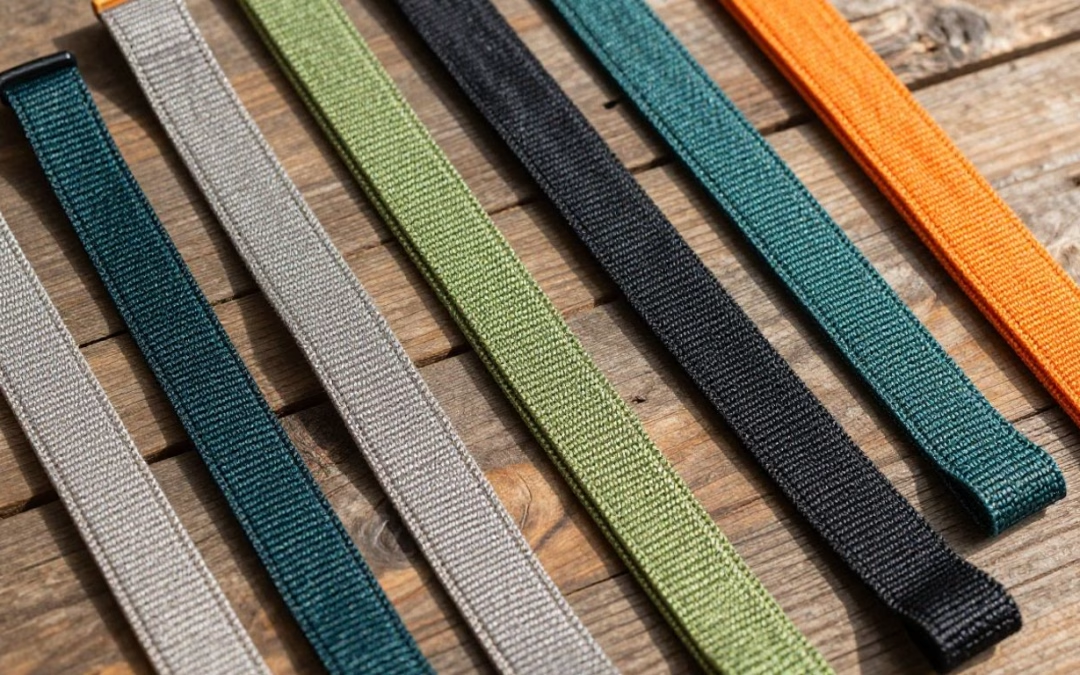
When your outdoor furniture starts showing its age, replacing the webbing is a great option. Here are some important points to keep in mind:
Key Takeaways
- Webbing for outdoor furniture comes in various materials like nylon, polyester, and polypropylene, each with unique strengths.
- Polyester is a good choice for its UV resistance and low stretch, while nylon offers high strength and elasticity.
- Polypropylene is lightweight, water-resistant, and budget-friendly, but less strong than nylon or polyester.
- Consider the width and type of webbing needed, as different furniture styles use different sizes and patterns.
- Professional replacement ensures proper tension and a lasting finish, especially for complex weaves or if you want frame refinishing.
1″ Outdoor Polypro Webbing
When you’re looking for webbing for your outdoor furniture, especially for those classic lawn chairs or patio seating, one inch wide polypropylene, or ‘polypro’ as it’s often called, is a solid choice. It’s pretty economical, which is always a plus when you’re fixing up multiple pieces. Plus, it doesn’t soak up water like some other materials, and it’s resistant to mildew, making it great for humid environments or if your furniture tends to sit out in the rain. Cleaning it is usually a breeze too.
Polypropylene webbing is a good all-around option for outdoor use. It’s lightweight and doesn’t absorb much water, which means it won’t get heavy and saggy when it gets wet. It also floats, which is kind of neat if you’re thinking about water sports gear, though maybe less relevant for chairs. It holds up well against stains and even things like grease or oil, which can be handy.
Here’s a quick look at why polypro stands out:
- Water Resistance: Doesn’t absorb much moisture, so it dries quickly and resists mildew.
- Durability: Stands up well to general wear and tear for outdoor furniture.
- Ease of Care: Simple to clean when it gets dirty.
- Cost-Effective: Generally more affordable than other synthetic webbing options.
However, it’s worth noting that polypropylene isn’t as strong as nylon or polyester, and it can be more susceptible to abrasion. It also has a lower melting point. So, while it’s great for chairs and general outdoor applications, you might want to look at stronger materials if you need webbing for heavy-duty suspension or high-stress situations. For repairing lawn chair webbing, though, it’s often just the ticket.
While it’s not the strongest material out there, its resistance to moisture and mildew makes it a practical choice for furniture that lives outdoors. It’s a good balance of cost and performance for many common outdoor seating needs.
2 Inch Chair Webbing
When your outdoor furniture starts showing its age, especially those comfy-looking lawn chairs, the webbing is often the first thing to go. If you’ve got chairs with 2-inch wide straps, you’re in luck because this is a pretty common size for replacement. Replacing the old, saggy straps with new 2-inch webbing can totally revive your furniture, making it look and feel almost new again without having to buy a whole new set. It’s a smart way to save money and keep furniture you already like.
Why 2-Inch Webbing?
This width is popular for a reason. It offers a good balance of comfort and durability for many types of outdoor seating. It’s wide enough to feel supportive but not so wide that it becomes difficult to work with or install evenly. You’ll find it used on everything from classic sling chairs to some heavier-duty patio seating.
What to Look For:
- Material: Polypropylene is a common and good choice for outdoor use because it doesn’t soak up water and resists mildew. Polyester is another solid option, often a bit stronger and more UV resistant than polypropylene.
- Length: Webbing usually comes in rolls. You’ll need to measure your old straps or the chair frame to figure out how much you need. A 2-inch wide, 50-foot long repair kit is a good example of what’s available.
- Hardware: Some kits come with buckles or connectors, but often you’ll need to reuse your chair’s original hardware or buy new pieces separately.
Installation Tips:
Getting the tension just right is key. Too loose, and it’ll sag. Too tight, and it might damage the frame or be uncomfortable. It’s a bit of an art, and getting it symmetrical is important, especially if your chair has a woven pattern.
Working with webbing, especially wider straps like these, requires patience. You want the final result to be taut and even, so take your time measuring and securing each piece. It’s not just about looks; proper tension affects how the chair supports weight and how long the webbing lasts.
If you’re looking to refresh more than just the webbing, consider looking into custom cushion services to complete the makeover of your outdoor seating area.
Houseables Chair Webbing
When you’re looking to give your outdoor furniture a refresh, Houseables Chair Webbing is a pretty solid option to consider. It’s not just for lawn chairs, either. This stuff is pretty versatile. You can use it for all sorts of DIY upholstery projects, whether you’re fixing up an old sofa or just want to add some new life to your dining seats.
It’s essentially a stretchy spring alternative for furniture repair. Think of it as a way to add some bounce back to seating that’s lost its oomph. This particular webbing comes in a 2-inch width and a 40-foot roll, which should be plenty for most projects. It’s made from elastic latex, giving it that needed flexibility.
Here’s a quick look at what you might get:
- Width: 2 inches
- Length: 40 feet
- Material: Elastic latex
- Use: Upholstery, furniture repair, replacement straps
It’s a good choice if you’re trying to avoid buying brand new furniture. Replacing worn-out straps can make a huge difference, and it’s often way cheaper than getting all new pieces. Plus, you get to keep furniture you already like. It’s a nice way to save some money and reduce waste, which is always a good thing. You can find this Houseables Chair Webbing online, often in kits designed for furniture repair.
Sometimes, the frame of your outdoor furniture is still in great shape, but the webbing has seen better days. Faded colors, sagging support, or just general wear and tear can make even the nicest chairs look tired. Instead of tossing them, consider replacing the webbing. It’s a project that can revive your furniture and save you money.
If you’re doing a bigger project, like reupholstering a whole couch, you might also want to look into high-density foam to go along with your new webbing for maximum comfort.
Nylon Webbing
Nylon webbing is a really common choice for outdoor gear, and for good reason. It’s super strong, which is great when you need something reliable. You’ll often see it used in things like backpack straps and even safety equipment for rock climbing. Its elasticity is a big plus for certain activities, letting it stretch a bit under load before snapping back. This makes it forgiving in dynamic situations.
However, nylon isn’t perfect for every outdoor job. One of its biggest drawbacks is how it handles water. When nylon gets wet, it absorbs moisture, which can cause it to stretch and lose some of its strength. This is something to really think about if your furniture is going to be out in the rain a lot or near a pool. It also means wet nylon webbing can get heavier.
Here’s a quick look at some of its properties:
- Strength: Very high, making it suitable for heavy-duty applications.
- Elasticity: Good stretch, which can be beneficial but also a weakness when wet.
- UV Resistance: Decent, but prolonged sun exposure can degrade it over time.
- Water Absorption: High, leading to stretching and reduced strength when wet.
Because of its water absorption issue, nylon might not be the top pick for outdoor garden furniture that’s constantly exposed to the elements. You might find it works better for items that can be brought inside or are used in drier conditions. If you’re looking for something that holds up better in wet environments, you might want to check out polyester webbing options instead.
While nylon’s strength and elasticity are appealing, its tendency to absorb water is a significant factor to consider for outdoor furniture. This can lead to stretching and a decrease in its load-bearing capacity when damp, which isn’t ideal for items left outside.
When comparing different types of webbing, it’s always good to think about where and how you’ll be using it. For instance, if you’re rigging up some shade sails, you’ll want something that can handle the weather, maybe like a durable pulley system that works well with strong straps.
Polyester Webbing
When you’re looking for webbing that can handle the outdoors without a fuss, polyester is a really solid choice. It’s strong, and importantly for outdoor furniture, it doesn’t stretch much, even when it gets wet. This means your chairs and loungers will keep their shape and support over time. Plus, it holds up pretty well against the sun’s rays, so you won’t see it fading or getting weak as quickly as some other materials. It’s also resistant to abrasion, which is handy if your furniture gets bumped around a bit.
Polyester webbing is a great option for a few key reasons:
- UV Stability: It resists degradation from sunlight better than many other synthetics.
- Low Stretch: Maintains its shape and tension, providing consistent support.
- Water Resistance: Doesn’t absorb much moisture, so it dries faster and resists mildew.
- Durability: Stands up well to wear and tear, making it a long-lasting choice.
It’s not quite as tough as nylon in some tests, but for most garden furniture applications, the difference is negligible. You’ll find it comes in a good variety of widths and strengths, making it adaptable for different types of seating. It’s a material that just gets the job done without a lot of drama.
Polyester webbing offers a good balance of strength, low stretch, and resistance to the elements, making it a dependable material for outdoor furniture that needs to withstand sun, rain, and regular use. It’s a practical choice for keeping your patio set looking and feeling good for seasons to come.
If you’re thinking about replacing worn-out straps, polyester is definitely worth considering. It’s a material that’s built to last outdoors, and you can often find it in various colors to match or update your furniture’s look. For furniture that needs to stay put and look good, like heavy-duty canvas covers, polyester webbing is a reliable component.
Polypropylene Webbing
Polypropylene webbing is a really solid choice if you’re looking for something that won’t break the bank but still holds up pretty well outdoors. It’s known for being super lightweight, which is a nice bonus, and it doesn’t soak up water like some other materials. This makes it a good pick for things that might get wet, like around a pool or even for some water sports gear. Plus, it’s naturally resistant to mildew and stains, so keeping it clean is usually not a big hassle.
One of the best things about polypropylene is its affordability. You get a lot of bang for your buck with this stuff. It’s also quite durable for general use, though it’s not as strong as nylon or polyester when it comes to heavy-duty applications or extreme abrasion. Think of it as the reliable workhorse for everyday outdoor furniture needs.
Here’s a quick rundown of why you might choose polypropylene:
- Water Resistance: It barely absorbs any moisture, so it won’t get heavy or moldy easily.
- Mildew and Stain Resistance: Resists mold growth and is easier to wipe clean from spills.
- Lightweight: Doesn’t add much weight, which can be handy for moving furniture.
- Cost-Effective: Generally cheaper than other synthetic webbing options.
While polypropylene webbing is a great budget-friendly option, it’s important to know its limitations. It has a lower melting point than nylon or polyester and can wear down faster with constant rubbing or heavy stress. For furniture that sees a lot of daily use or needs to support significant weight, you might want to consider materials with higher durability ratings.
When you’re out shopping, you’ll often see polypropylene webbing available in various widths, like the popular 25mm black polypropylene webbing, which is a good standard size for many outdoor projects. It’s easy to work with, whether you’re sewing it yourself or using it for simple repairs on your patio chairs. It’s a practical material that gets the job done without a fuss.
Kevlar Webbing
Kevlar webbing is known for its incredible strength-to-weight ratio. You might recognize Kevlar from its use in protective gear, but it’s also found its way into outdoor applications, especially as a lightweight alternative for things like tree straps. It’s pretty tough against heat and abrasion, which is a big plus when you’re out in the elements.
However, there’s a significant drawback to consider: UV resistance. Kevlar can lose a substantial amount of its strength when exposed to sunlight. This means it’s not the best choice for applications that will be constantly out in the sun. If you do use it, it’s best to use it during shaded times or at night, and definitely store it away from UV light. Even with just 40 hours of sun exposure, you can see a noticeable drop in its capabilities.
Here’s a quick look at its pros and cons for outdoor use:
- Pros:
- Excellent strength-to-weight ratio
- Resistant to heat and abrasion
- Lightweight and packs down small
- Cons:
- Very poor UV resistance
- Can lose significant strength in sunlight
- Not ideal for prolonged sun exposure
When thinking about Kevlar for your outdoor furniture or gear, remember its sensitivity to UV rays. While its strength is impressive, its vulnerability to sunlight means it needs careful handling and placement. For furniture that sits out all day, you might want to look at other materials that can handle the sun better, like polyester or nylon. If you’re looking for something for occasional use or shade-covered areas, it could be an option, but always keep that UV degradation in mind. You can find high-quality webbing at places that specialize in outdoor gear.
Because of its UV sensitivity, Kevlar isn’t typically the first choice for furniture that will be left outdoors year-round. You’d have to be very diligent about bringing it in or covering it. For applications where strength is paramount and UV exposure is minimal, it might work, but for general garden furniture, other materials are usually more practical. If you’re interested in reinforcing something, perhaps with eyelets, materials like canvas work well with metal eyelets for added durability.
Upholstery Webbing
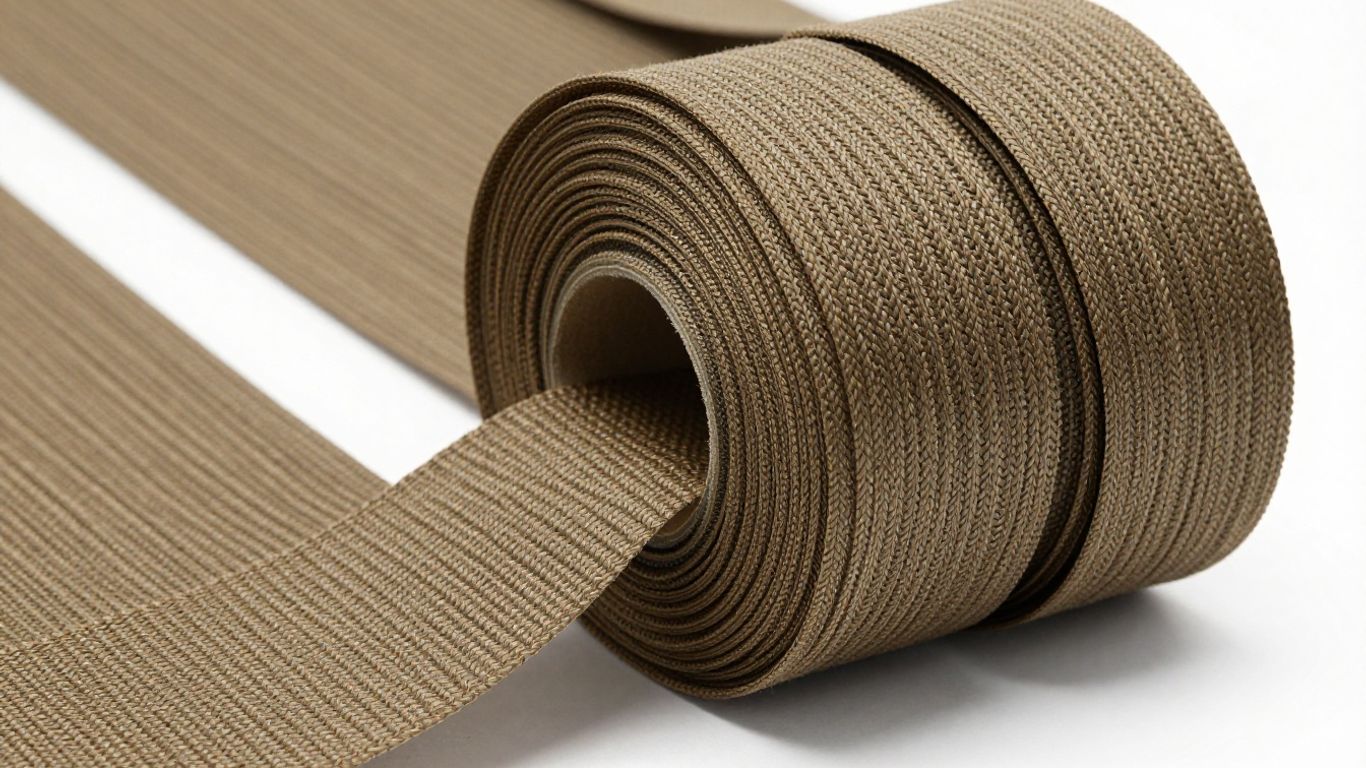
Upholstery webbing might not be the first thing you think of for outdoor garden furniture, but it’s actually a pretty solid option for certain types of repairs or custom projects. It’s designed to provide support and structure, kind of like what you’d find inside a comfy couch or chair. When you’re looking at replacing straps on older patio furniture, especially if the frame is still in good shape, upholstery webbing can be a good way to go.
The main idea behind upholstery webbing is to give furniture that needed backbone. It’s not just about looks; it’s about making sure your furniture can hold weight comfortably and last a good long while. For outdoor pieces, you’ll want to make sure you pick a type that can handle the elements, like polypropylene or polyester webbing, which are often used in upholstery and are also great for outdoor use.
Here’s a quick rundown of what makes upholstery webbing suitable:
- Durability: It’s made to withstand regular use, so it can handle people sitting on it day after day.
- Support: It provides a firm base, preventing that saggy feeling you get when webbing wears out.
- Versatility: You can find it in different widths and strengths, making it adaptable to various furniture styles.
When you’re considering a repair, especially for something like a beloved old lawn chair, using upholstery webbing can be a smart move. It’s often available in rolls, making it easier to cut to the exact lengths you need for replacement straps for lawn chairs. You might even find kits specifically designed for furniture repair that include this type of webbing.
Sometimes, the frames of outdoor furniture are built to last for ages, but the straps just give out. Instead of tossing the whole thing, looking into upholstery webbing gives you a chance to give your furniture a new lease on life. It’s a way to save money and keep pieces you like.
If you’re thinking about a more involved restoration, like completely redoing a set of patio chairs, you might look into professional upholstery services. They often have access to a wider range of materials and the know-how to get the job done right, ensuring the webbing is installed with the proper tension and won’t sag when the summer heat hits.
Replacement Straps For Lawn Chairs
So, your favorite lawn chairs are looking a little sad? Maybe the webbing is saggy, faded, or just plain broken. Don’t toss them out just yet! Replacing the straps on lawn chairs is a totally doable DIY project that can save you money and keep your comfy outdoor seating going for years. It’s a great way to give old furniture a fresh look without buying all new stuff.
The biggest win here is giving your existing furniture a second life. Instead of ending up in a landfill, those frames can be spruced up with new webbing. It’s a win for your wallet and the planet.
When you’re looking to replace those old straps, you’ve got a few options for materials. Polypropylene is a popular choice because it’s pretty tough and doesn’t soak up water, which is a big plus for outdoor gear. You can find rolls of it, like this 2-1/4 inch wide polypropylene webbing that’s specifically mentioned for rewebbing a single chair. Just make sure you measure carefully before you buy!
Here’s a general idea of how the process usually goes:
- Measure and Cut: Figure out how long each strap needs to be. It’s better to cut them a little longer than you think you’ll need, just in case.
- Remove Old Straps: This usually involves unscrewing or prying off the old, worn-out webbing. Sometimes there are rivets, which can be a bit trickier.
- Attach New Straps: This is where the tension comes in. You’ll want to secure the new webbing tightly to the frame. Some people use screws, others might use special fasteners. Getting the tension right is key so they don’t sag later.
- Weave (if applicable): Some chairs have a simple strap pattern, while others have a more complex weave. If yours is a weave, you’ll need to pay attention to how the straps interlace.
It can be a bit fiddly, especially getting the tension just right so the straps hold up when you sit on them, even on a hot day. If you’re dealing with a complex pattern, a small mistake can throw off the whole look. For really high-end furniture or if you’re not feeling super handy, there are professionals who specialize in this, sometimes working in special heated rooms to get the tension perfect. They can also check the frame for any other issues, like loose rivets or frame damage, and even refinish the metal frame for a complete makeover.
But for most standard lawn chairs, a DIY approach is totally achievable. Just take your time, measure twice, and cut once. You’ll be lounging in style again before you know it!
Vinyl Straps
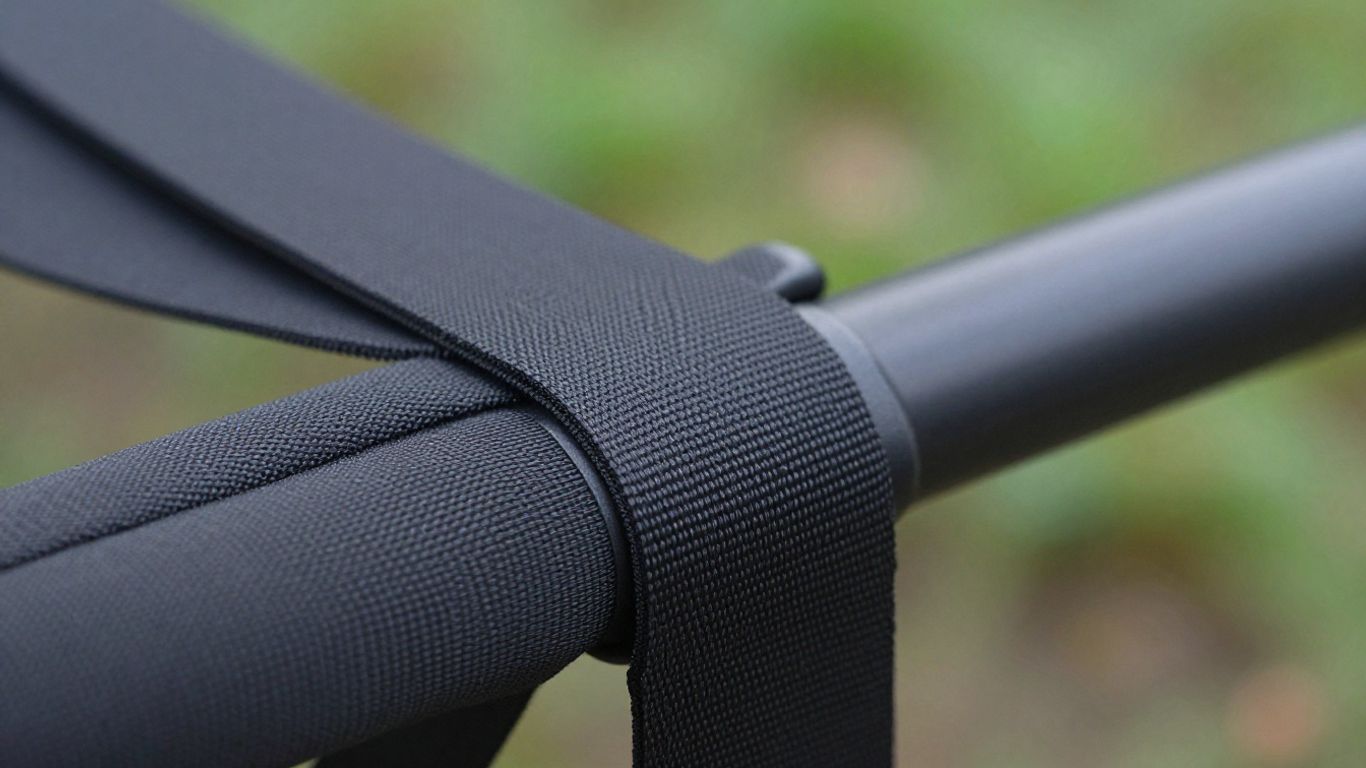
Vinyl straps are a common sight on outdoor furniture, and for good reason. They’re generally pretty affordable and easy to wipe down, which is a big plus when you’ve got kids or pets. However, their biggest drawback is their susceptibility to sun damage. Prolonged exposure to UV rays can make the vinyl brittle, leading to cracks and eventual failure. It’s a bummer when your favorite patio chair suddenly becomes unusable because the straps just gave out.
When vinyl straps start to show wear, you might notice a few things:
- Fading colors from being out in the sun all the time.
- The straps might feel less supportive, maybe even a bit saggy.
- Visible cracks or tears appearing, especially where the straps bend.
If the frames of your furniture are still in good shape, replacing the vinyl straps can be a smart move. It’s often cheaper than buying all new furniture, and it gives your existing pieces a fresh look. You can even choose different colors for the new straps to give your patio a whole new vibe. It’s a bit like giving your old couch a facelift, which can be a cost-effective way to preserve valuable furniture.
Replacing vinyl straps yourself can be a bit of a project. Getting the tension just right is tricky, and if you don’t get it perfect, they can sag when the weather heats up. Professionals often use a special heated room to make sure the straps set correctly, which is hard to replicate at home.
While vinyl is budget-friendly, it’s worth considering how long you want them to last. For furniture that gets a lot of direct sun, you might find yourself replacing these straps more often than you’d like. If you’re looking for something that can handle the elements a bit better, you might want to explore other materials like polyester or nylon for outdoor furniture straps that can withstand more abuse.
Conclusion
Replacing worn-out webbing on your outdoor furniture is a smart way to save money and keep your favorite pieces. Whether you’re looking at nylon, polyester, or polypropylene, there’s a material out there that fits your needs and budget. Don’t let faded or loose straps ruin your patio vibe – a little effort can bring your furniture back to life and ready for many more sunny days.
Frequently Asked Questions
What is the best webbing material for outdoor furniture?
Polyester is often a top pick because it doesn’t stretch much, resists the sun’s rays well, and doesn’t soak up water. Nylon is also strong and flexible, good for certain uses. Polypropylene is a cheaper option that’s good with water but not as tough.
Can I replace the webbing on my patio chairs myself?
Yes, you can! It’s a project that many people tackle at home. You’ll need to measure carefully, remove the old straps, and install the new ones, making sure they have the right amount of tightness. It can be a bit tricky, but it saves money.
How do I know what size webbing to buy?
Manufacturers use different sizes. Common widths for outdoor furniture webbing are 1 inch, 1.5 inches, and 2 inches. It’s best to measure your old straps or check the furniture’s manual if you have it, or look up your specific furniture brand.
Why do some professionals use a ‘hotroom’ for webbing replacement?
A hotroom is kept at a high temperature, around 95°F or more. This helps the new webbing stretch just right and prevents it from getting loose and saggy when your furniture heats up in the summer sun. It’s a pro trick to get the tension perfect.
How long should new webbing last on outdoor furniture?
With good quality webbing and proper installation, new straps can last for many years. Factors like how much sun exposure they get, the quality of the material, and how often the furniture is used will affect their lifespan. Taking care of them, like cleaning off dirt, can help.
What’s the difference between nylon and polyester webbing?
Nylon is super strong and a bit stretchy, which is great for things that might take a big pull, like climbing gear. Polyester is also strong but stretches less and is better against the sun and water. For most outdoor furniture, polyester is usually the preferred choice.