
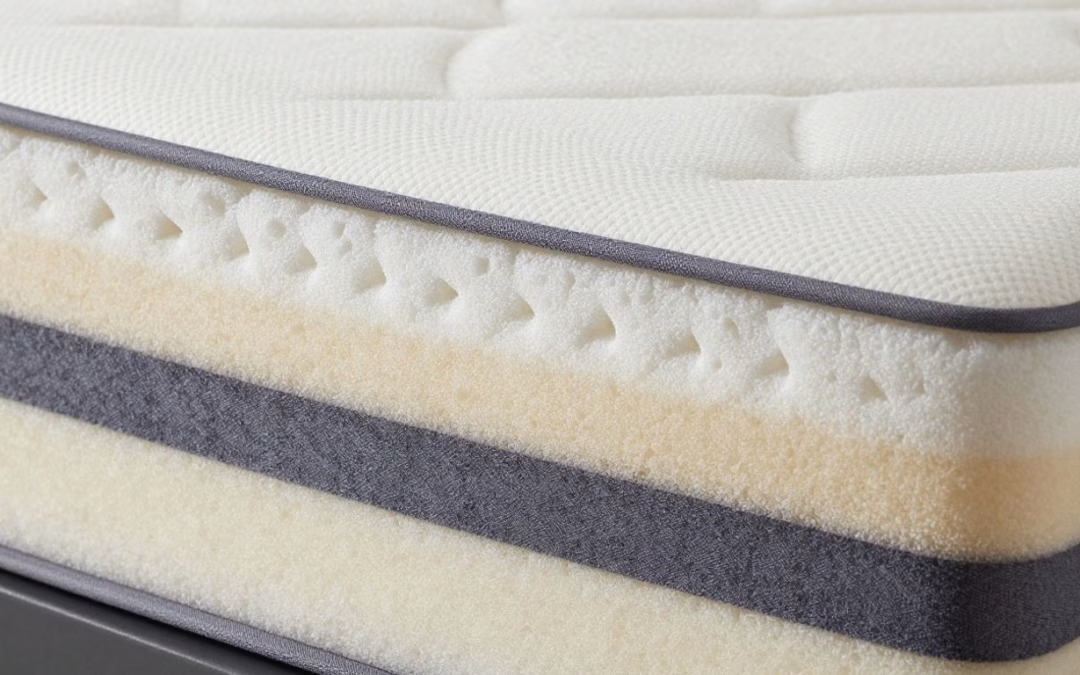
So, you’re on the hunt for a new mattress and keep seeing terms like ‘foam density’ thrown around. It sounds important, and honestly, it is. But what does it actually mean for your sleep? It’s not as complicated as it sounds. Basically, foam density tells you how much material is packed into a certain space. This little detail can make a big difference in how comfortable, supportive, and long-lasting your mattress is. Let’s break down what density is all about and figure out what density foam is best for a mattress.
Key Takeaways
- Foam density is measured in pounds per cubic foot (PCF) and indicates how much material is packed into a given volume, affecting durability and feel.
- Low-density foam (under 3 PCF) is generally softer and more affordable but may lack long-term support and durability.
- Medium-density foam (3-5 PCF) offers a good balance of comfort, support, and durability, making it a popular choice for many sleepers.
- High-density foam (over 5 PCF) provides excellent durability and support, often preferred by heavier individuals or those who like a firmer feel, but can sometimes retain more heat.
- While density is important, it’s not the only factor; support foam quality, ILD, and overall mattress construction also play a big role in comfort and longevity.
Understanding Foam Density For Mattresses
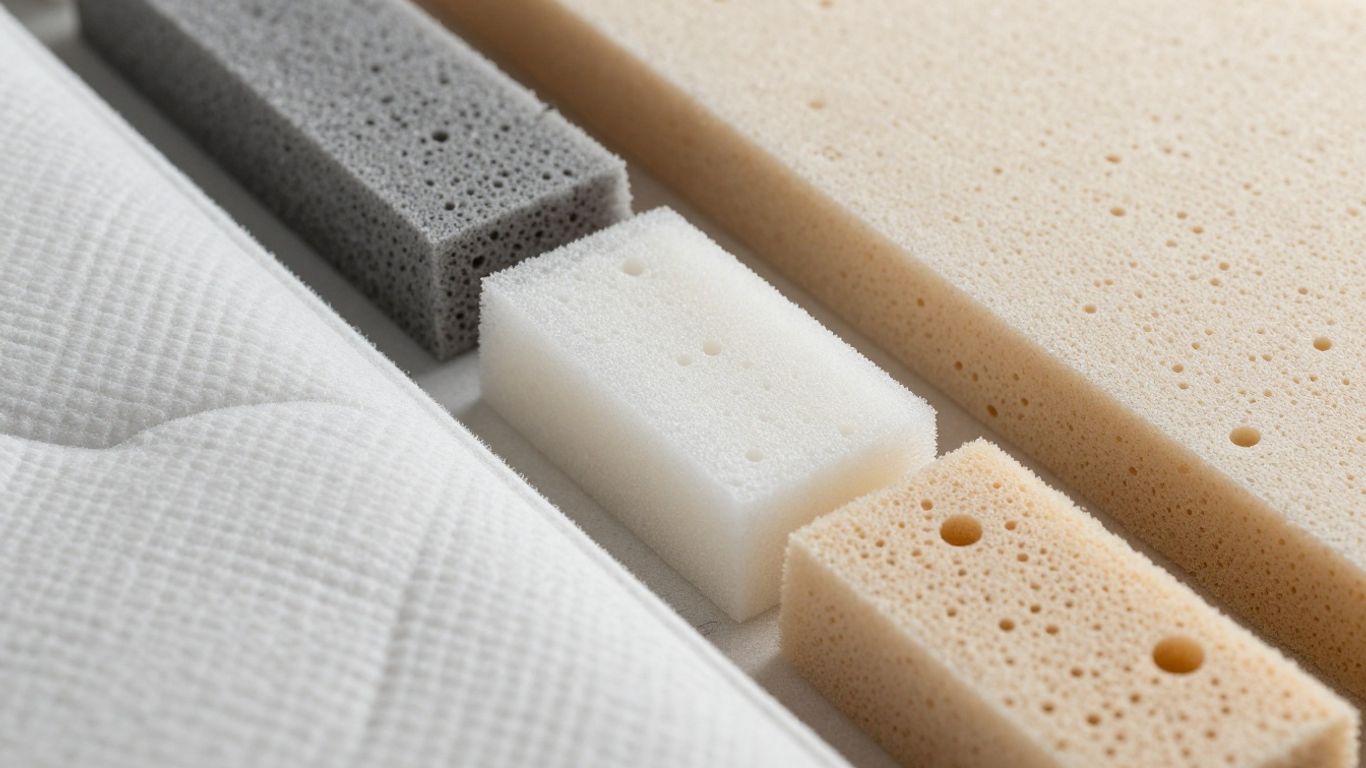
What Mattress Density Measures
When you’re looking at mattresses, especially those made with foam, you’ll often see numbers related to "density." But what does that actually mean? Simply put, foam density tells you how much a cubic foot of that foam weighs. Think of it like this: if you took a perfect cube of foam, one foot on each side, and weighed it, that weight in pounds is its density. So, a foam with a density of 4 PCF (pounds per cubic foot) means that one cubic foot of that foam weighs 4 pounds. This measurement is usually given in pounds per cubic foot (PCF).
The higher the PCF number, the more material is packed into that cubic foot, which generally means the foam is heavier and more solid. This isn’t about how soft or firm the foam feels to the touch, but rather about the actual amount of material used. It’s a way manufacturers can give you a clue about the foam’s quality and how it’s likely to perform over time. It’s a bit like comparing a dense piece of wood to a lighter, more porous one – they’re both wood, but they’ll behave differently.
How Density Relates To Weight And Durability
So, how does this density number actually affect your mattress? Well, it’s pretty straightforward. Denser foam usually means a more durable mattress. Why? Because there’s more material packed in there, making it more resistant to breaking down or getting those annoying dips over time. A mattress made with higher-density foam is often expected to last longer, maybe even a decade or more, providing consistent support. On the flip side, lower-density foams have less material, so they tend to wear out faster. If you’ve ever had a mattress that started sagging after just a few years, it might have been made with lower-density foam. It’s a bit of a trade-off: lower density can sometimes mean a lower price, but you might be sacrificing longevity. For example, memory foam with a density of 3.0 PCF or higher is often recommended for comfort layers, while polyfoam base layers should ideally be 1.8 PCF or more [2fae].
Here’s a general idea of how density can relate to durability:
- Low Density (Under 3 PCF for memory foam, under 1.5 PCF for polyfoam): Tends to be less durable, may develop body impressions sooner, and might not offer long-term support. Often found in budget-friendly options.
- Medium Density (3-5 PCF for memory foam, 1.5-1.7 PCF for polyfoam): Offers a good balance of comfort and durability. A common range for many quality mattresses.
- High Density (Over 5 PCF for memory foam, over 1.7 PCF for polyfoam): Generally the most durable and supportive. These foams are built to last and resist wear and tear effectively.
Distinguishing Density From Firmness
This is where things can get a little confusing, but it’s super important to get right. Density and firmness are NOT the same thing. You can have a foam that is very dense but still feels soft, or a foam that is less dense but feels quite firm. Density is about how much material is packed into a space (the weight per cubic foot), while firmness is about how much force it takes to compress that foam, often measured by something called ILD (Indentation Load Deflection). Think of it like a dense sponge versus a firm pillow. The sponge might be heavy and packed tight (high density), but it can still be squishy (low firmness). The pillow might be lighter (lower density) but feel quite solid when you push on it (high firmness). So, when you’re shopping, don’t just assume a high density number automatically means a rock-hard mattress. You need to consider both factors to really understand how a mattress will feel and perform for you [bd01].
It’s easy to get caught up in just one number, but understanding the difference between density and firmness is key to making a smart mattress choice. One tells you about the material’s composition and potential lifespan, while the other describes the immediate sensation of comfort or support.
Classifying Foam Density Levels
When you’re looking at mattresses, you’ll see a lot of talk about foam density. It sounds technical, but it’s really just a way to measure how much material is packed into a certain amount of space. Think of it like comparing a brick to a sponge – both take up space, but one is much heavier for its size because it’s packed tighter. For mattresses, this density number, usually measured in pounds per cubic foot (LB), tells you a lot about how the foam will perform over time.
Low Density Foam Characteristics
Foam that falls into the lower density range, typically between 0.8LB and 1.5LB per cubic foot, is often considered to be of fair quality. Because there’s less material packed into each cubic foot, these foams are more likely to compress and break down with regular use. Over time, this can mean less support and a general decline in how the mattress feels. However, this doesn’t mean it’s useless. Low-density foam is usually the most budget-friendly option. It’s perfectly fine for things like packaging, where it just needs to cushion items for a short trip, or for a guest room mattress that won’t get daily wear and tear. It can work for a while, but don’t expect it to last for years under heavy use.
Medium Density Foam Benefits
Stepping up, we have medium-density foam, generally ranging from 1.6LB to 2.4LB per cubic foot. This is often seen as the sweet spot for many applications, including mattresses. It offers a good balance. You get better resistance to compression compared to lower-density options, meaning it holds its shape and support for longer. This makes it a really versatile choice for everyday use, whether it’s for seating, upholstery, or as the main comfort layer in a mattress. While not as long-lasting as the highest density foams, it provides a dependable performance for regular use and is usually more affordable than its high-density counterparts. Many find this range provides a good mix of comfort and durability without breaking the bank. You can find some good quality options in this 1.6LB to 2.4LB density range.
High Density Foam Advantages
At the top end, we have high-density foam, typically from 2.5LB up to 3.5LB per cubic foot, and sometimes even higher. This foam has significantly more material packed in, which translates directly into superior durability and resilience. It’s built for demanding situations where the mattress will see a lot of use. High-density foam is much less likely to sag or lose its supportive qualities over time, even with frequent use. While the initial cost is higher, it’s often a better long-term investment because it lasts longer and requires fewer replacements. It’s the go-to for applications where longevity and consistent performance are key. However, it’s worth noting that extremely high densities, especially with older memory foam technology, can sometimes lead to issues like heat retention or slow response times. Finding the right balance within the high-density category is important.
Understanding the density range helps you see how different foams stack up. It’s not just about the number, but what that number means for how the foam will feel and how long it will last. Lower numbers mean less material, which usually means less durability. Higher numbers mean more material, leading to better longevity.
Here’s a quick rundown:
- Low Density (0.8LB – 1.5LB): Budget-friendly, best for light or occasional use. Prone to quicker wear and tear.
- Medium Density (1.6LB – 2.4LB): Good balance of durability, comfort, and price. Great for everyday use.
- High Density (2.5LB – 3.5LB+): Most durable and resilient. Ideal for heavy use and long-term investment. Can sometimes have heat retention issues if not well-designed.
The Ideal Foam Density For Comfort
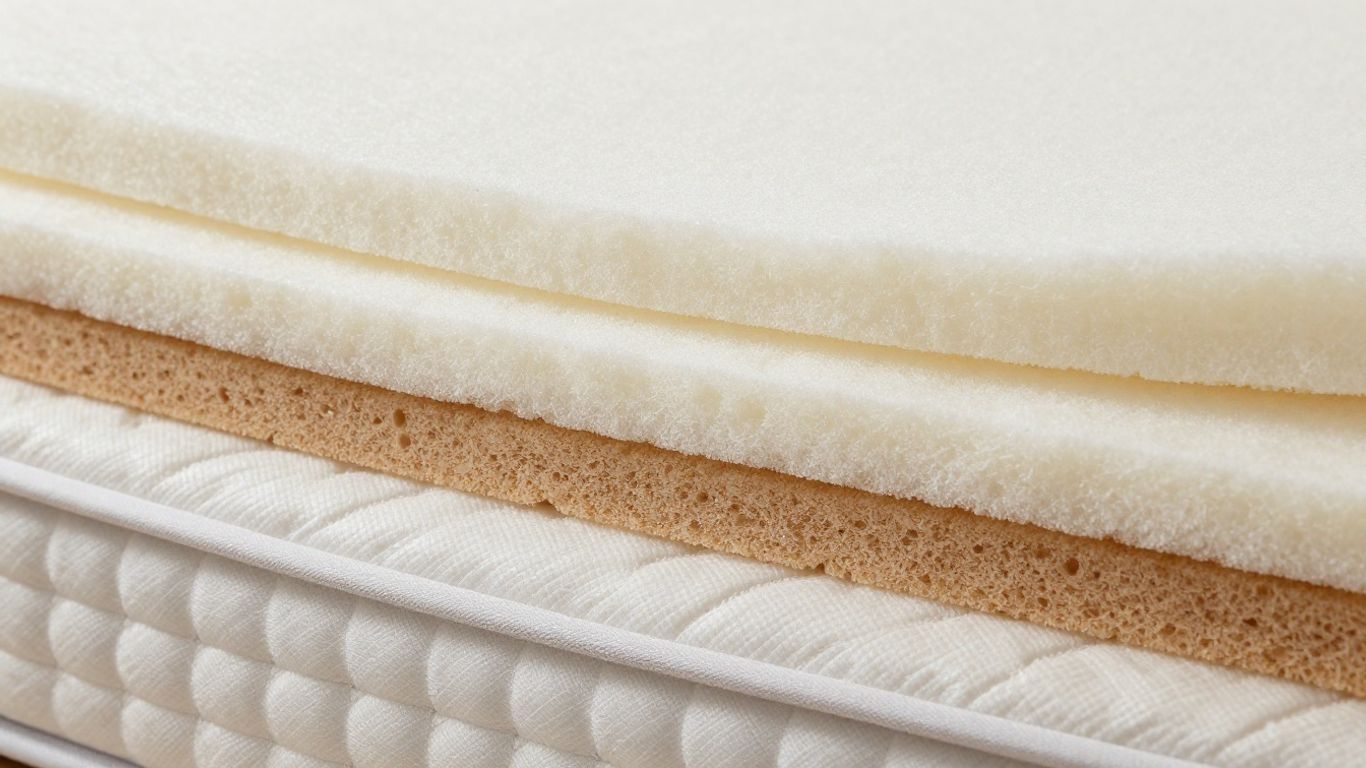
So, what’s the magic number when it comes to foam density for a truly comfortable mattress? It’s not as simple as picking the highest number, that’s for sure. Finding that sweet spot is all about balancing support with that plush, sinking-in feeling we all crave. Too low, and you might feel like you’re sleeping on a board. Too high, and you could end up with a mattress that traps heat or feels a bit too ‘stuck’.
Finding The Sweet Spot In Foam Density
When we talk about comfort, we’re really talking about how well the foam cradles your body without making you feel like you’re sinking too far. For most people, a medium-density foam hits this mark perfectly. Think of it as the Goldilocks zone – not too hard, not too soft, but just right.
Here’s a general breakdown:
- Low Density (0.8LB – 1.5LB): Often found in budget toppers or very light-use items. It’s affordable but breaks down faster and offers less support.
- Medium Density (1.6LB – 2.4LB): This is where a lot of the magic happens for everyday comfort. It offers a good mix of durability and that pleasant give.
- High Density (2.5LB – 3.5LB): This range provides excellent durability and support, but sometimes older technologies in this range can feel a bit too dense, leading to heat issues.
How Density Impacts Heat Retention
This is a big one for many sleepers. Denser foams, especially older types of memory foam, can sometimes feel like a personal sauna. The more material packed into a cubic foot, the less air can circulate. This means body heat can get trapped, leading to a warmer sleep experience. Newer foam technologies are getting better at managing this, but it’s still something to consider. If you tend to sleep hot, looking for a foam that’s not excessively dense, or one specifically designed for cooling, is a smart move. Some foams in the 3-4 lb density range are actually quite good at managing heat if they use modern manufacturing techniques.
While density is a key indicator of durability, it’s not the only factor in how a mattress feels. The way the foam is constructed, its pore size, and the specific chemical makeup all play a role in its overall comfort and performance. Don’t get too hung up on just one number.
Rebound Speed And Its Relation To Density
Ever felt like you’re stuck in quicksand when you try to roll over in bed? That’s often related to the foam’s rebound speed, and it ties back to density. Higher density foams, particularly older memory foam formulations, can sometimes have a slower response time. They take longer to spring back into shape after pressure is removed. This can make changing positions feel sluggish and interrupt your sleep. Medium-density foams generally offer a quicker, more responsive feel, making it easier to move around and find a comfortable position throughout the night. This responsiveness is a big part of what makes a mattress feel comfortable and not restrictive. For a mattress that feels adaptive and easy to move on, look for foams that balance density with a good rebound rate, like those found in a medium-firm mattress.
Choosing Foam Density Based On Sleeper Needs
Foam Density For Different Body Weights
When you’re picking out a mattress, the foam’s density plays a big role, especially depending on how much you weigh. It’s not just about how soft or firm it feels right away; it’s about how it holds up and supports you over time. Think of it like this: heavier folks need foam that’s got more substance to it, so it doesn’t break down too quickly.
Generally, lighter individuals (under 130 lbs) might find lower to medium density foams (around 1.5 to 2.5 PCF for polyfoam) perfectly comfortable and supportive. They just don’t put as much pressure on the material. On the flip side, people who weigh more (over 230 lbs) really benefit from higher density foams, often 3.0 PCF and up. This higher density means more material is packed in, giving you better support and making sure the mattress doesn’t sag prematurely. It’s all about finding that balance so you don’t end up feeling like you’re sinking too much or not getting enough support.
Here’s a quick look at how weight can influence your foam choice:
- Light Sleepers (Under 130 lbs): Often do well with lower to medium density foams (1.5-2.5 PCF). These offer enough cushioning without feeling too firm.
- Average Sleepers (130-230 lbs): Medium density foams (2.5-3.5 PCF) are usually a good bet, providing a nice mix of comfort and support.
- Heavy Sleepers (Over 230 lbs): High-density foams (3.5+ PCF) are recommended for superior durability and support, preventing excessive sinking.
Best Foam Density For Sleeping Positions
Your favorite sleeping position is another huge factor in choosing the right foam density. What feels amazing for a side sleeper might be a nightmare for a stomach sleeper, and vice versa. It all comes down to how your body interacts with the mattress and where you need the most support or cushioning.
Side sleepers, for instance, often need a foam that contours well to their curves, especially around the hips and shoulders. This helps relieve pressure points. Medium-density foams, particularly those with good contouring properties, can be great here. They offer enough give to cushion those pressure points but still provide support. Some mattresses even offer different firmness levels on each side, like the Layla mattress, giving you options.
Back sleepers usually need a balance of support and comfort to keep their spine aligned. A medium-density foam often hits this sweet spot. Stomach sleepers, however, need a firmer surface to prevent their hips from sinking too low, which can strain the back. For them, higher density foams or even firmer mattresses are generally better. The Silk & Snow mattress, for example, is noted for being good for side sleepers under a certain weight, showing how specific designs cater to particular needs.
How Density Affects Durability And Lifespan
Okay, so we’ve talked about comfort and support, but what about how long the mattress is actually going to last? This is where foam density really shines. Think of density as a measure of how much material is packed into a cubic foot of foam. The more material there is, the more robust and resilient the foam tends to be.
Low-density foams, while often cheaper and softer initially, just don’t hold up as well over time. They’re more prone to sagging and losing their supportive qualities after a few years of use. They might be fine for a guest room or occasional use, but for your primary mattress, you probably want something more substantial.
Medium-density foams offer a good middle ground. They provide reliable performance for everyday use and are more durable than their low-density counterparts. High-density foams, on the other hand, are the heavyweights. They contain the most material, making them the most resistant to wear and tear. If you’re looking for a mattress that will last a decade or more with consistent support, investing in a high-density foam is usually the way to go. It’s a long-term investment in your sleep quality.
Choosing the right foam density isn’t just about a number; it’s about matching that number to your body weight, sleeping style, and how long you expect your mattress to last. A little research now can save you a lot of discomfort and money down the road.
Factors Beyond Density In Mattress Quality
The Role Of Support Foam Quality
So, we’ve talked a lot about foam density, right? But here’s a little secret: the foam underneath the comfort layer matters just as much, if not more. Think of it like building a house; you need a solid foundation. That’s what your support foam does. It’s the backbone that keeps everything from sagging and losing its shape. Some companies skimp here to save a buck, using cheaper, less resilient foam. This means that even if the top layer feels okay at first, the whole mattress can start to feel worn out way faster than it should. We’re talking about using high-resilience support foam, similar to what you’d find in a good car seat – it’s built to last and keep you supported.
Understanding Indentation Load Deflection (ILD)
Now, let’s talk about ILD, or Indentation Load Deflection. This is basically a fancy way of measuring how firm a foam is. It tells you how much force it takes to compress a piece of foam by a certain percentage, usually 25% or 50%. A higher ILD number means the foam is firmer and resists compression more. It’s not the same as density, though they often go hand-in-hand. You can have a high-density foam that’s actually quite soft if its ILD is low, and vice-versa. It’s a key number to look at if you want to know how a mattress will feel when you lie on it and how well it will support your body weight without feeling like you’re sinking too much.
Here’s a quick look at typical ILD ranges:
- Low ILD (e.g., 10-20): Generally softer, good for comfort layers or lighter individuals.
- Medium ILD (e.g., 20-30): A good balance, often used in comfort or transition layers.
- High ILD (e.g., 30+): Firmer, typically used for support layers or for heavier individuals.
Considering Foam Technology And Manufacturing
It’s not just about how much stuff is packed into the foam (density) or how firm it feels (ILD). The actual technology and how the foam is made play a big role too. Older memory foam technologies, for example, could get really stiff in cooler temperatures and feel overly gooey when it was warm. That’s not exactly conducive to a good night’s sleep, is it? Newer foam formulations are designed to handle a wider range of temperatures without changing their feel. Plus, where and how the foam is manufactured can impact its consistency and overall quality. You want foam that’s made with care, not just churned out.
Sometimes, you’ll see foams advertised with specific brand names or proprietary technologies. While it can sound like marketing jargon, it often points to specific advancements in how the foam is created, aiming for better breathability, responsiveness, or durability. It’s worth looking into what makes that particular foam special.
Choosing a mattress involves looking at more than just a single number. It’s about how all these different components work together to give you a comfortable and supportive sleep experience. A good mattress is a well-engineered product, not just a block of foam. If you’re looking for durable materials, high-density foam is often a good indicator of quality for demanding applications. But remember, it’s just one piece of the puzzle when selecting the right mattress for your needs.
So, What’s the Verdict on Foam Density?
Alright, so we’ve talked a lot about foam density and how it plays a role in your mattress. It’s not as simple as just picking the highest number, you know? Turns out, too much density can actually make a mattress feel too hot or slow to bounce back, which is no good for sleep. For most folks, a medium-density foam, somewhere in the 3 to 4-pound range, seems to hit that sweet spot. It gives you a good mix of being durable without feeling like you’re sleeping on a rock, and it won’t trap all your body heat. Of course, your own weight and how you sleep matter too, but generally, aiming for that middle ground is a solid bet for a comfortable night’s rest. Don’t forget to check out the support foam underneath, too – that’s just as important for a truly great mattress.
Frequently Asked Questions
What exactly is foam density for a mattress?
Foam density is basically how much the foam weighs for a certain amount of space, like a cubic foot. Think of it like packing stuff into a box. If you pack more stuff in, it’s denser and heavier. For mattresses, a higher density number means more material is packed in, which usually makes it more durable and heavier.
Does a higher density foam mean a firmer mattress?
Not necessarily! Density and firmness are different things. Density is about how much material is in the foam, which often relates to how long it lasts. Firmness is about how soft or hard the foam feels when you press on it. You can have a foam that’s soft but very dense, or firm but less dense.
What’s the best foam density for someone who sleeps hot?
If you tend to overheat at night, you might want to avoid very high-density foams. These can sometimes trap more heat. Medium-density foams, usually around 3 to 4 pounds per cubic foot, often offer a good balance. They’re durable but tend to let more air flow through, helping you stay cooler.
How does foam density affect how long a mattress lasts?
Generally, a higher density foam means a mattress will last longer. Denser foams have more material packed in, so they resist sagging and wear and tear better over time. Cheaper, low-density foams might start to break down or lose their support much sooner.
Is there such a thing as foam that’s *too* dense?
Yes, there can be! When memory foam gets too dense, especially with older types, it can feel too ‘gooey’ or slow to bounce back when you move. This can sometimes make it feel warmer because it holds onto body heat more. Foams over 5 pounds per cubic foot are sometimes cited as having these issues.
What’s a good density range for most people?
For most sleepers, a medium-density foam is a great choice. This typically falls between 3 to 5 pounds per cubic foot. It offers a good mix of comfort, support, and durability without the potential heat issues of the highest densities or the shorter lifespan of the lowest densities.