
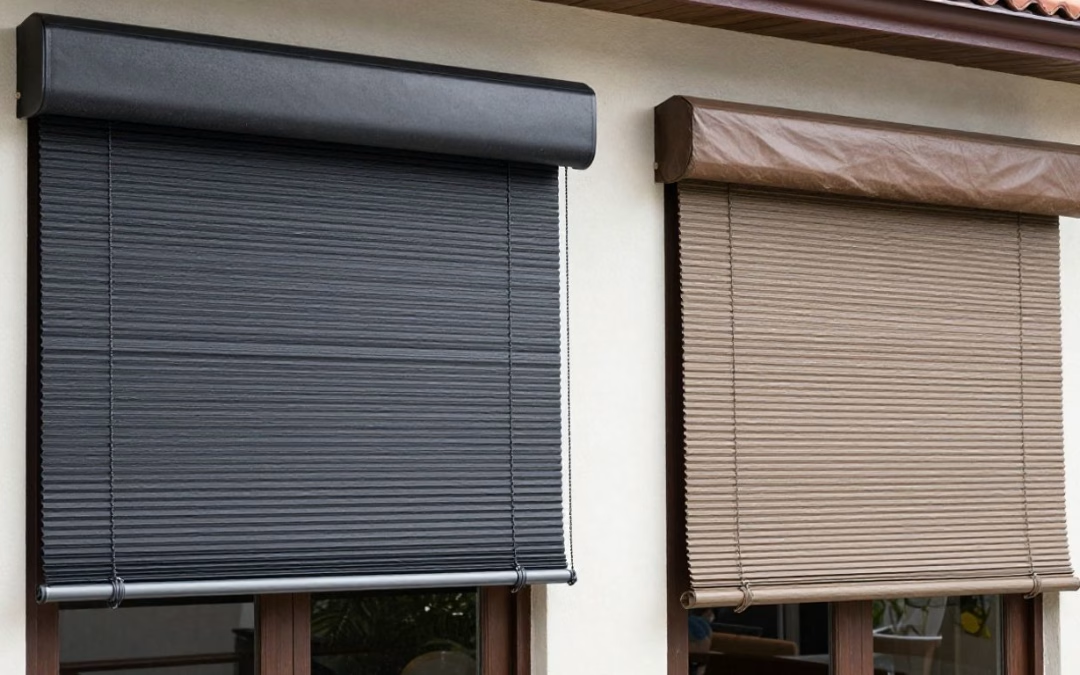
Here are the main points to remember when choosing between windproof zipper track blinds and standard canvas for your outdoor area.
Key Takeaways
- Windproof zipper track blinds use a special track system to keep the fabric secure, preventing flapping and damage in windy conditions.
- Standard canvas blinds are more likely to be damaged or become unstable when exposed to strong winds.
- The design of zipper track blinds, including side channels and a weighted bottom rail, greatly improves their wind resistance.
- While canvas offers a traditional look, it lacks the structural stability needed for windy environments.
- For reliable performance and longevity in windy areas, windproof zipper track blinds are the superior choice.
Understanding Windproof Zipper Track Blinds
When you’re looking at outdoor blinds, especially if you live somewhere with a bit of weather, you’ll probably come across the term "windproof zipper track blinds." But what exactly makes them so good at handling the wind? It’s not just about slapping some fabric on a roller. These blinds are designed with specific features to keep them stable and functional, even when the gusts start to blow. The whole system works together to create a barrier that’s both effective and durable.
The Science Behind Track-Guided Stability
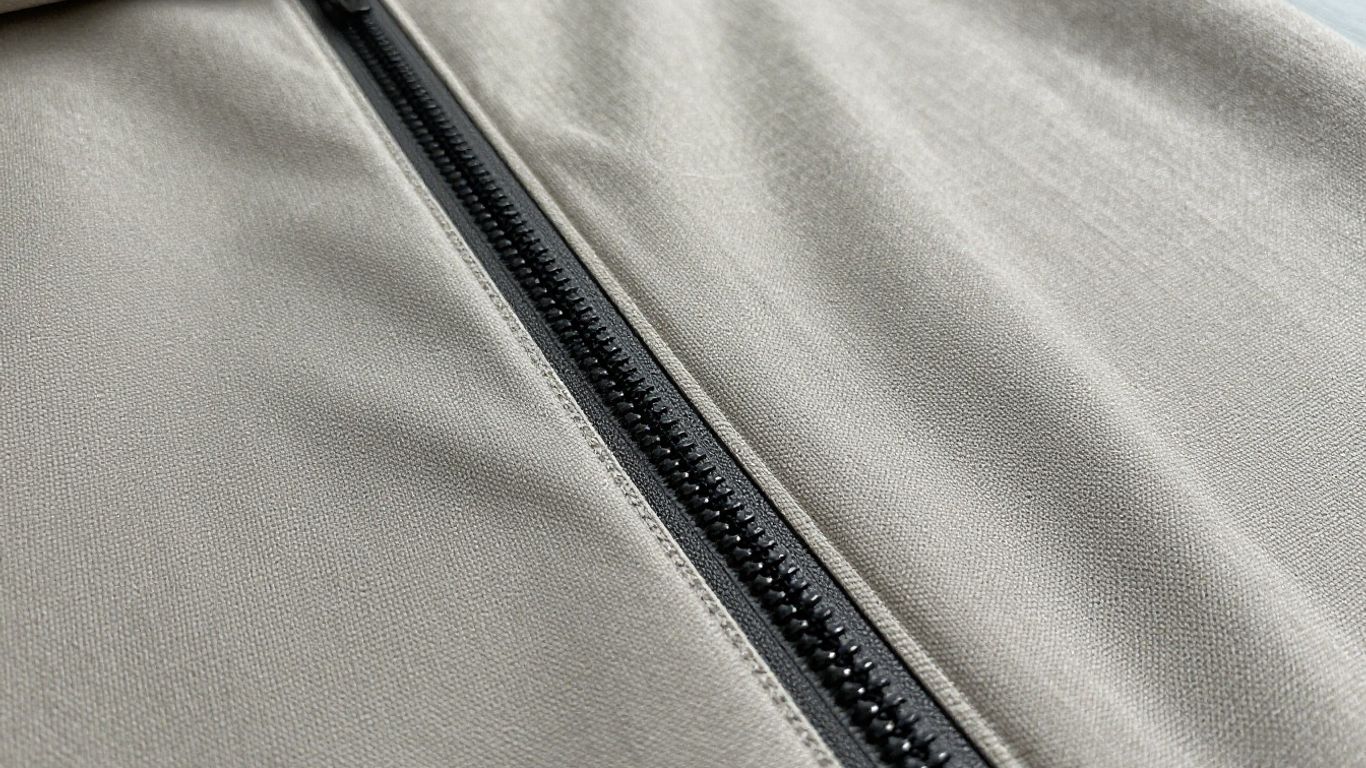
Think about a regular roller blind. If the wind catches it, there’s not much holding it in place. It can flap around, get damaged, or even get pulled right out of its fittings. Zipper track blinds, on the other hand, use a clever system. The fabric itself has a zipper sewn into its edges, which then slides into a channel on the side of the blind. This "track-guided" design means the fabric is held securely along its entire length. It’s like having guide rails for your blind, preventing it from swaying wildly. This system is engineered to keep the fabric taut and in place, reducing the chance of it getting caught by the wind. It’s a pretty neat bit of engineering that makes a big difference in how the blinds perform. You can find out more about how these systems work by looking at how outdoor blinds handle wind.
Engineered for Australian Wind Standards
Many of these blinds, especially those designed for places like Australia, are built to meet pretty strict standards. They’re tested to see how much wind they can actually handle. For instance, some systems are rated to withstand winds of up to 160 km/hr, though this often depends on the size of the blind and how it’s installed. This means they’re not just guessing; they’re designing and testing them for real-world conditions. This focus on engineering means you’re getting a product that’s meant to last and perform, even in challenging weather. It’s reassuring to know they’re built with specific wind resistance in mind.
Key Design Features for Wind Resistance
So, what are these special features? Well, it’s a combination of things:
- The Zipper Track System: As mentioned, this is the core. It keeps the fabric edges locked in place.
- Material Choice: The fabric itself is important. Some materials are designed to be more rigid and less prone to flapping.
- Bottom Rail: A weighted bottom rail helps keep the blind down and stable, providing a solid contact point.
- Secure Fixings: How the tracks and headbox are attached to your structure is vital. They need to be anchored properly to handle the forces involved.
The effectiveness of a zipper track blind in windy conditions relies heavily on the integrity of the entire system. From the fabric’s weave to the strength of the side channels and the security of the bottom rail, each element plays a role in maintaining stability against wind pressure. A well-designed system minimizes gaps where wind can get behind the fabric, reducing flutter and potential damage.
These blinds are a step up from basic canvas options, offering a more robust solution for outdoor spaces. They are designed to provide superior protection against wind and rain, making your outdoor areas more usable year-round.
Comparing Windproof Zipper Track Blinds to Standard Canvas
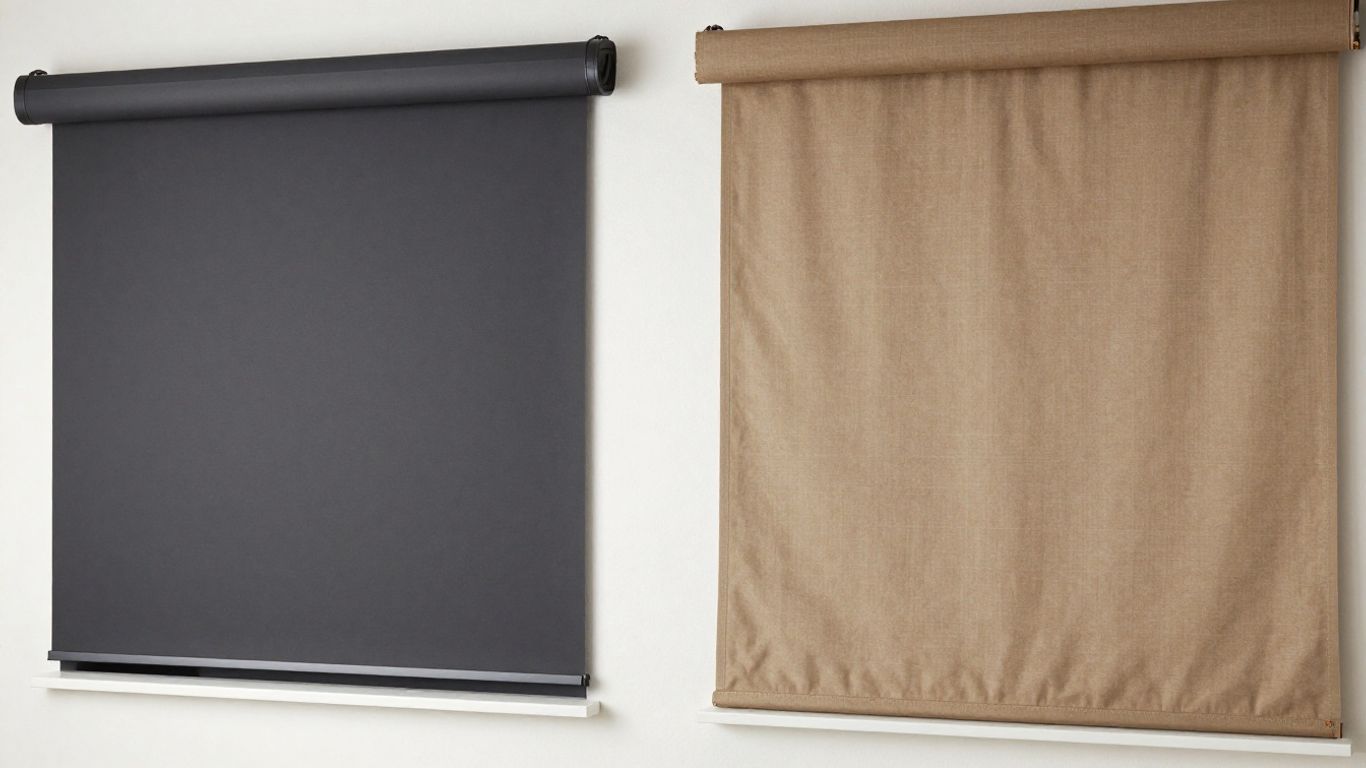
Material Durability and Performance
When you’re looking at outdoor blinds, the material is a big deal, right? Standard canvas blinds have been around forever. They’re pretty tough, sure, and they do a decent job of blocking sun and some wind. But let’s be real, canvas can get moldy if it stays wet, and it can really billow and flap around when the wind picks up. It’s like a sail, and that’s not always a good thing. Windproof zipper track blinds, on the other hand, often use materials like heavy-duty PVC or specialized mesh fabrics. These are generally more resistant to the elements – think less mold, less fading, and they’re designed to stay put. They don’t just hang there; they’re guided by tracks, which makes a huge difference in how they handle the weather.
Wind Tolerance and Stability
This is where the zipper track system really shines. Standard canvas blinds, especially larger ones, can be a real headache in windy conditions. They can get damaged, or worse, pull away from their fixings. The wind just gets under them and lifts them. Zipper track blinds are engineered differently. The fabric is held within side channels, and this track-guided system keeps the fabric taut and controlled. This means way less flapping and a much higher tolerance for wind. Some of these systems, like Ziptrak®, are even tested to specific Australian standards AS/NZS 4504.2:1998, so you know exactly what kind of wind they can handle. It’s not just a guess; it’s a rating.
Here’s a quick look at how they stack up:
| Feature | Standard Canvas Blinds | Windproof Zipper Track Blinds |
|---|---|---|
| Wind Flapping | High | Low |
| Material Durability | Moderate | High |
| Mold/Mildew | Possible | Unlikely |
| Track System | None | Yes |
| Wind Rating | Varies (often unknown) | Defined (e.g., Class 1-8) |
View Preservation and Airflow
With standard canvas, you usually get a pretty solid block of light and view. That’s great if you want privacy, but not so much if you want to enjoy the scenery. Some canvas blinds are made with mesh, but it’s often a less sophisticated weave. Zipper track blinds offer more options here. You can get them in clear PVC, which keeps the wind and rain out while letting you see everything outside – it’s like having an extra room without losing your view. Or, you can opt for specialized mesh fabrics that allow airflow, reducing that stuffy feeling, while still filtering out UV rays and glare. This balance of protection and openness is a big win for outdoor living spaces.
The way a blind is held and guided makes a massive difference in how it performs when the wind blows. A system that keeps the fabric under tension and within channels is far less likely to get damaged or cause problems compared to one that just hangs loosely.
Choosing the right blind really depends on your specific needs and how windy your area typically gets. For those really exposed spots, the stability of a track-guided system is hard to beat, offering a more reliable solution than traditional canvas options for windy areas.
Factors Influencing Blind Wind Resistance
So, what actually makes one outdoor blind tougher against the wind than another? It’s not just about the fabric, though that’s part of it. Several key design elements and installation details play a big role in how well your blinds hold up when the weather gets rough. Think of it like building a sturdy fence – you need good posts, solid panels, and a secure way to connect them.
The Role of Side Channels and Track Retention
This is a big one. The side channels, often called tracks, are what keep the edges of your blind material from flapping around like a flag in a gale. Good track retention means the fabric is held snugly. Some systems use brush strips or PVC inserts within the tracks. These little additions create a tighter seal, stopping wind from getting behind the fabric and creating that annoying billow effect. Without this, even a strong fabric can act like a sail. It’s all about keeping that fabric locked in place. For those in coastal areas, making sure these components are made from corrosion-resistant materials is super important, otherwise, they’ll rust out pretty quickly.
Bottom Rail Weight and Sill Security
The bottom rail is the business end of your blind, the part that sits at the bottom. A heavier bottom rail adds weight, which helps keep the blind down and stable. It’s like putting a weight on a tablecloth to stop it from blowing away. But it’s not just about weight; it’s also about how securely it sits. When the bottom rail makes good, consistent contact with the sill or ground, it reduces rattling and stops the wind from getting underneath. Some systems have ‘down-stops’ that ensure the blind always stops in the same place, creating a reliable seal. This consistent contact is key to preventing the blind from being lifted or pushed around by gusts. If you’re looking for durable outdoor shades, paying attention to the bottom rail design is a good idea for windy areas.
Headbox Design and Fabric Choice
Finally, let’s talk about the top part, the headbox. This is where the blind rolls up. An enclosed headbox is better for wind resistance because it protects the rolled fabric from direct wind impact. It also helps keep out dust and rain. When the fabric itself is chosen, materials like mesh are often preferred for windy spots. Why? Because mesh allows some air to pass through, which reduces the overall pressure on the blind. Clear or tinted PVC, while great for visibility and rain protection, can catch more wind if the edges aren’t properly secured. So, the combination of a protective headbox and the right fabric choice makes a significant difference in how the blind performs when the wind picks up.
When it comes to wind resistance, it’s a system approach. Every part, from the tracks and bottom rail to the fabric and how it’s installed, works together. Neglecting one element can compromise the whole setup, making it vulnerable to even moderate winds.
Installation and Maintenance for Optimal Performance
Getting your windproof zipper track blinds set up right and keeping them in good shape is pretty important if you want them to actually work well, especially when the wind picks up. It’s not just about slapping them on and forgetting about them. A solid installation means they’ll stay put, and a little bit of care will make them last way longer.
Secure Fixings for Windy Locations
When you’re putting these blinds up, especially if you live somewhere that gets a lot of wind, you need to make sure they’re attached to something really solid. We’re talking about using the right kind of screws and making sure they go into strong parts of your house or patio structure. It’s not a bad idea to get a professional to do this part, especially if you’re not super handy. They know what fixings work best for different materials, like brick or wood, and how far apart they should be. Using the correct installation method is key to handling winds up to 160km/hr, according to some manufacturers. This is especially true for weather-proof, waterproof, transparent, roll-down zipper blinds that rely on their track system for stability.
Here’s a quick rundown of what to think about:
- Structure Strength: Make sure the wall or frame you’re attaching to is sturdy enough to handle the forces involved.
- Component Quality: Always use the recommended fixings and components. Using off-brand parts might save a few bucks now, but it could cause big problems later.
- Professional Installers: If you’re unsure, hire someone who does this for a living. They’ll know the best way to secure the tracks and ensure everything aligns properly.
Regular Cleaning and Component Checks
Keeping your blinds clean and checking them over now and then makes a big difference. For the fabric, a soft cloth with some mild soap and lukewarm water usually does the trick. Avoid anything too harsh, as it can damage the material. For the tracks themselves, you’ll want to clear out any dust or debris that might get stuck in there. A small brush works well for this. Sometimes, a little bit of silicone spray on the tracks can help them move super smoothly. It’s also smart to look over things like the magnetic seals, end caps, and any screws or bolts every few months. Just tighten up anything that feels loose. This kind of regular upkeep helps keep the blinds working right and looking good.
Understanding Wind Ratings and Safe Use Limits
Not all blinds are made the same, and they all have different limits when it comes to wind. You’ll often see wind ratings, sometimes based on standards like AS/NZS 4504.2. These ratings give you an idea of how much wind the blinds can handle. For example, a Class 4 blind might be good for gusts up to 110 km/h, while a Class 5 could handle up to 130 km/h. It’s really important to know what your blinds are rated for and to respect those limits. If a big storm is coming, it’s usually best to pull the blinds all the way up. This protects both the blinds and your home. They are strongest in their fully open or fully closed positions. Trying to operate them in very high winds can sometimes cause the fabric to get stuck in the tracks because the wind pressure locks it in place. If that happens, just wait for the wind to calm down, or gently push on the fabric to release the pressure before trying to move them again. It’s a bit like knowing the limits of your hunting blinds – you wouldn’t want to push them too far.
When strong winds are predicted, the safest bet is always to retract your blinds completely. This simple step helps prevent damage to the fabric and the track system, prolonging the life of your outdoor blinds and saving you potential repair costs down the line. Remember, they are designed to withstand the elements, but extreme conditions still require caution.
| Component | Maintenance Action |
|---|---|
| Fabric | Clean with mild soap and lukewarm water. |
| Tracks | Brush out debris; apply silicone lubricant if needed. |
| Fasteners | Check and tighten screws periodically. |
| Seals & Caps | Inspect for wear and tear; replace if damaged. |
| Bottom Rail | Ensure it’s free of obstructions. |
| Headbox | Keep clear of leaves and other debris. |
Material Options for Outdoor Blinds
When you’re picking out outdoor blinds, the fabric is a pretty big deal. It’s not just about how they look, but how they hold up against the weather, how much air gets through, and what you can actually see when they’re down. Let’s break down some of the common choices you’ll run into.
Mesh Fabrics for Airflow and Reduced Pressure
Mesh fabrics are a popular choice, especially if you want to keep your view while still getting some shade and protection. These fabrics are woven with varying degrees of openness, usually measured as a percentage. A 50% openness mesh, for example, lets in about half the light and air, while a 90% openness mesh is much more transparent and airy. This openness is key because it reduces the amount of wind pressure that builds up against the blind. Instead of the wind hitting a solid wall, it can pass through, making the blinds much more stable in breezy conditions. They’re great for keeping out insects too, which is a nice bonus.
- Good for: Keeping views clear, allowing airflow, reducing wind load.
- Consider: Less privacy, may not block intense sun as effectively as solid materials.
- Best Use: Patios, pergolas, or areas where you want to feel connected to the outdoors.
Clear and Tinted PVC for Protection
If your main goal is to block out rain and wind while still being able to see outside, PVC is a solid option. Clear PVC acts like a window, keeping the elements out without obstructing your vision. It’s pretty effective at stopping rain and wind, but it can get a bit steamy inside if there’s no airflow. Tinted PVC offers a bit more glare reduction and privacy than clear versions. High-quality PVC is important here; cheaper versions can become brittle and crack over time, especially in colder weather. These are often used in café-style blinds or as a more robust barrier on verandahs.
- Protection: Excellent against rain and wind.
- Visibility: Clear PVC offers an unobstructed view; tinted PVC reduces glare.
- Downsides: Can trap heat and moisture, may not be as durable as other materials if not high quality.
Acrylic and Canvas Considerations
Acrylic fabrics are a step up from traditional canvas. They’re often solution-dyed, meaning the color is infused into the fibers, making them more resistant to fading from the sun. Acrylics are generally water-repellent and more durable than canvas, with a softer feel. They block light and UV rays effectively, offering good protection and a decent level of privacy. Canvas, on the other hand, is a classic choice known for its heat-refracting qualities. It’s great for blocking intense sunlight, but its durability can vary greatly depending on the quality and treatment. Canvas can absorb water and may be more prone to mildew if not properly maintained. When choosing between the two, think about how much sun and rain you expect and how important water resistance is for your setup. For windy spots, you might want to look at how the fabric is attached and supported, as even the best materials can struggle if not properly installed.
When selecting outdoor blind materials, think about the specific challenges of your location. Coastal areas with salt spray might require materials with better corrosion resistance, while very windy spots need fabrics that can handle pressure without tearing or causing excessive strain on the track system. It’s a balance between protection, durability, and how you want to use your outdoor space.
- Acrylic: Durable, water-repellent, good UV blocking, softer feel.
- Canvas: Good heat reflection, traditional look, quality varies significantly.
- Maintenance: Canvas requires more care to prevent mildew and water absorption compared to acrylic. You can find various outdoor blind options that use these materials.
Advanced Features for Enhanced Wind Protection
Motorised Operation and Sensor Integration
When we talk about making outdoor blinds tougher against the wind, a lot of it comes down to smart tech. Motorised systems are a big step up. Instead of wrestling with a crank or cord, you can control them with a remote, a wall switch, or even your phone. But it gets even better. Many of these systems can be hooked up with wind sensors. These little gadgets constantly monitor the breeze. If it gets too strong, they can automatically tell the blinds to roll up. This is a lifesaver if you’re not home or if a sudden gust catches you off guard. It’s like having an automatic guardian for your outdoor space, protecting your investment without you lifting a finger. You can even set up schedules, so they retract during the hottest part of the day or before a storm hits. It’s all about convenience and making sure your blinds are safe, even when you can’t be there to manage them yourself. This kind of automation is a key part of modern outdoor living solutions.
Customisation for Coastal and Exposed Sites
Living by the coast or in an area that just gets hammered by wind means you need something a bit more robust than your average setup. For these spots, it’s not just about the blind itself, but how it’s put together. Think about using stronger materials for the tracks and frames, like powder-coated aluminium, and making sure all the screws and bolts are stainless steel. This stops rust and corrosion, which is a big deal in salty air. Also, the way the fabric attaches to the track is super important. A good, tight fit means less chance of the wind getting underneath and causing trouble. Some systems even let you mix materials – maybe a clear PVC at the bottom for rain protection and a mesh higher up to let the wind pass through more easily. It’s about tailoring the blind to your specific, tough environment.
The Benefits of a Sealed Zip-Track System
What really makes a difference in windy conditions is how well the blind is sealed. A good zip-track system is designed to keep the fabric held firmly within the side channels. This isn’t just about stopping the wind from blowing it around; it also stops rain and debris from getting in. Imagine a really strong gust – without a good seal, the fabric could flap around like a sail, putting a lot of stress on the whole system. But with a tight zip-track, the fabric stays put, reducing flutter and wear. It’s like giving the blind a snug jacket that keeps it secure no matter what the weather throws at it. This edge retention is a major factor in how well outdoor blinds can withstand wind.
When you’re looking at blinds for windy spots, pay close attention to the details. It’s the little things like the quality of the track inserts, the weight of the bottom rail, and how securely the whole system is fixed that make the biggest difference. Don’t just go for the cheapest option; think about long-term performance and protection.
Conclusion
When it comes to outdoor blinds that can really handle the wind, windproof zipper track blinds are a clear winner over standard canvas. Their design, with the fabric locked into side channels, stops them from flapping around and getting damaged. While canvas might look nice, it just can’t compete when the wind really picks up. Investing in a good track system means you get a more durable, stable, and enjoyable outdoor space, no matter the weather. So, if you’re tired of your blinds getting battered by the breeze, it’s time to consider the smart design of zipper track blinds.
Frequently Asked Questions
What exactly are windproof zipper track blinds?
Think of them like a really sturdy screen for your patio or deck. The fabric has a special zipper edge that slides into side tracks. This keeps it from blowing around wildly, even when it’s breezy. It’s a much more solid setup than just hanging fabric.
How are they better than regular canvas blinds in the wind?
Canvas blinds can flap and get pushed around a lot by the wind. They don’t have anything holding the edges in place. Zipper track blinds, on the other hand, have those tracks that grip the fabric, so they stay put and don’t get damaged as easily. It’s like the difference between a kite and a sail that’s tied down.
Can these blinds really stop the wind?
They don’t stop the wind completely, but they handle it much better. The tracks help reduce how much wind gets behind the fabric and makes it billow. Some are even designed to handle pretty strong winds, but it’s always best to pull them up if a really big storm is coming.
What happens if I leave them down in a really strong wind?
If the wind is super strong, even the best blinds can get damaged. The fabric could tear, or the tracks might get bent. It’s always a good idea to roll them up before a big storm to keep them safe and make them last longer.
Are they hard to use?
Not at all! Most of them are pretty easy to operate. You can usually pull them up or down smoothly, and they often have a way to lock them at different heights. Some even come with motors so you can control them with a button or remote.
Do I need to do anything special to take care of them?
Taking care of them is pretty simple. You’ll want to keep the tracks clean so the fabric slides easily. Wiping them down with a soft cloth and mild soap usually does the trick. It’s also good to check the parts now and then to make sure everything is still tight and working right.