
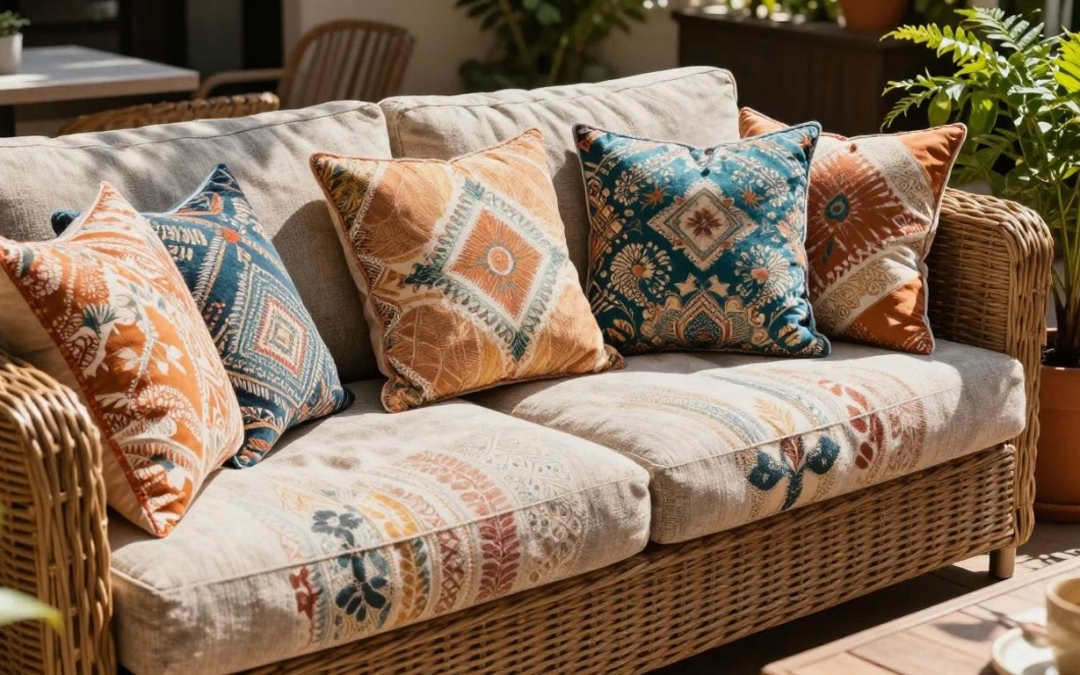
Want to keep your outdoor cushions looking fresh and colorful? Here are the main things to remember to fight that outdoor cushion fading from sun UV:
Key Takeaways
- Use shade like umbrellas, pergolas, or even trees to block direct sunlight.
- Apply UV-protective sprays to your cushions regularly, especially after cleaning.
- Rotate and flip cushions often to ensure even sun exposure and prevent patchy fading.
- Store cushions indoors or in protected containers when not in use, especially overnight.
- Choose cushions made from solution-dyed acrylic or other UV-resistant materials.
Strategic Shade Solutions For Outdoor Cushions
Let’s face it, the sun is great for tanning and drying laundry, but it’s not exactly a cushion’s best friend. Direct sunlight, day after day, will eventually turn those vibrant colors into a washed-out memory. The good news is, you don’t have to keep your cushions tucked away in a dark closet all summer. There are some pretty smart ways to give them a break from those harsh UV rays.
Utilize Patio Umbrellas For Quick Coverage
Patio umbrellas are like the superheroes of quick shade. They’re easy to pop open when you want to sit outside and just as simple to close up when you’re done. They offer immediate relief from the sun’s glare and heat. When picking one out, look for fabrics that are specifically rated for UV protection. This way, you’re not just blocking the light, you’re actively protecting your cushions from damage. They’re a flexible option for any patio setup.
Incorporate Pergolas And Gazebos For Permanent Shade
If you’re looking for a more permanent solution, pergolas and gazebos are fantastic. These structures provide a consistent overhead cover, creating a shaded oasis in your backyard. Think of them as a built-in roof for your outdoor living area. You can even add curtains or retractable shades to these for extra protection, especially during those lower-angle morning or late afternoon sun hours. They really transform a patio into a year-round destination.
Install Shade Sails For Wide-Angle Protection
Shade sails are a modern and stylish way to cover larger areas. They’re made of durable fabric stretched between mounting points, offering a broad shield against the sun. These are great because they can be angled to block the sun at different times of the day. Plus, they add a cool, contemporary look to your outdoor space. Many are designed to be quite cost-effective and durable, making them a smart choice for protecting your patio furniture.
Leverage Natural Shade From Trees And Plants
Don’t underestimate the power of nature! If you have mature trees or large shrubs in your yard, they can provide wonderful, dappled shade. It’s a free and beautiful way to protect your cushions. Just remember that natural shade moves with the sun, so it might not cover your cushions all day long. You might need to combine this with other methods for complete protection. It’s amazing how much difference a little bit of shade can make for the longevity of your outdoor textiles.
Protecting your outdoor cushions from the sun doesn’t have to be complicated. By strategically placing them under umbrellas, pergolas, shade sails, or even natural tree cover, you can significantly reduce their exposure to damaging UV rays and keep them looking great for longer.
Applying Protective Sprays To Combat UV Rays
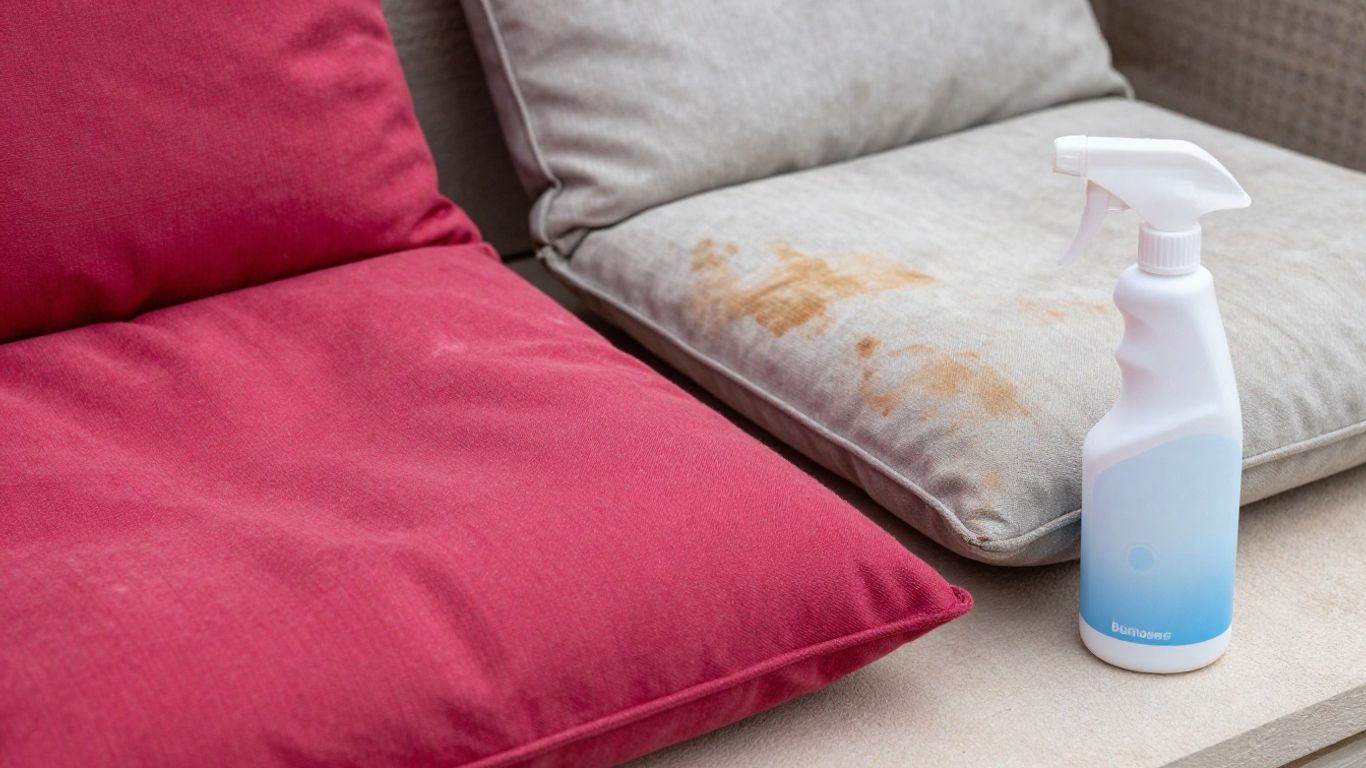
Think of UV-protective sprays as sunscreen for your outdoor cushions. Even the toughest outdoor fabrics can eventually get bleached out by constant sun exposure. Applying a good spray creates a barrier that helps block those harsh UV rays before they can damage the fabric’s color and fibers. It’s a pretty straightforward process, and honestly, it makes a big difference in how long your cushions stay looking good.
Prepare Cushions By Cleaning Thoroughly
Before you even think about spraying anything, you’ve got to start with clean cushions. Any dirt, dust, or old stains left on the fabric can get sealed in by the spray, and that’s not what you want. Plus, the spray won’t stick as well to a dirty surface. So, grab some mild soap and water, maybe a soft brush, and give them a good scrub. Rinse them off really well and, this is important, let them dry completely. Seriously, don’t rush this part. Applying anything to damp cushions can trap moisture, which leads to other problems down the line.
Select The Appropriate UV-Resistant Spray
There are a bunch of different sprays out there, and they aren’t all created equal. You’ll want to look for one specifically designed for outdoor fabrics and that highlights UV protection. Some popular brands offer sprays that work well on things like acrylics and polyesters, which are common for outdoor furniture. It’s a good idea to check the product label to make sure it’s compatible with your cushion material. If you’re unsure, a quick search online can point you toward reputable options for outdoor fabric protection.
Ensure Even Application For Maximum Effectiveness
This is where you really want to pay attention. You need to get an even coat over the entire surface. Most sprays come in an aerosol can, so you’ll want to hold it about 6 to 10 inches away from the fabric. Move the can in a steady, sweeping motion, going back and forth. Don’t just blast one spot until it’s soaking wet; instead, aim for light, even layers. Make sure you get into the seams and any piping, as those areas can be weak spots. If you’re treating both sides of a cushion, do one side, let it dry a bit, then flip and do the other.
Allow Adequate Curing Time After Application
After you’ve finished spraying, you can’t just go and throw the cushions back on the furniture or stack them up. The spray needs time to cure, which means it needs to dry and bond with the fabric properly. Most manufacturers recommend letting them air out for at least 24 hours. Some might say a few hours is okay, but honestly, giving them a full day is usually best for maximum protection. This curing period is key to making sure the spray actually does its job and lasts.
Applying a UV protectant is a proactive step that can significantly extend the life and appearance of your outdoor cushions. It’s a small effort that pays off by keeping colors vibrant and fabrics from breaking down prematurely under the sun’s relentless rays.
Regular Cushion Maintenance For Longevity
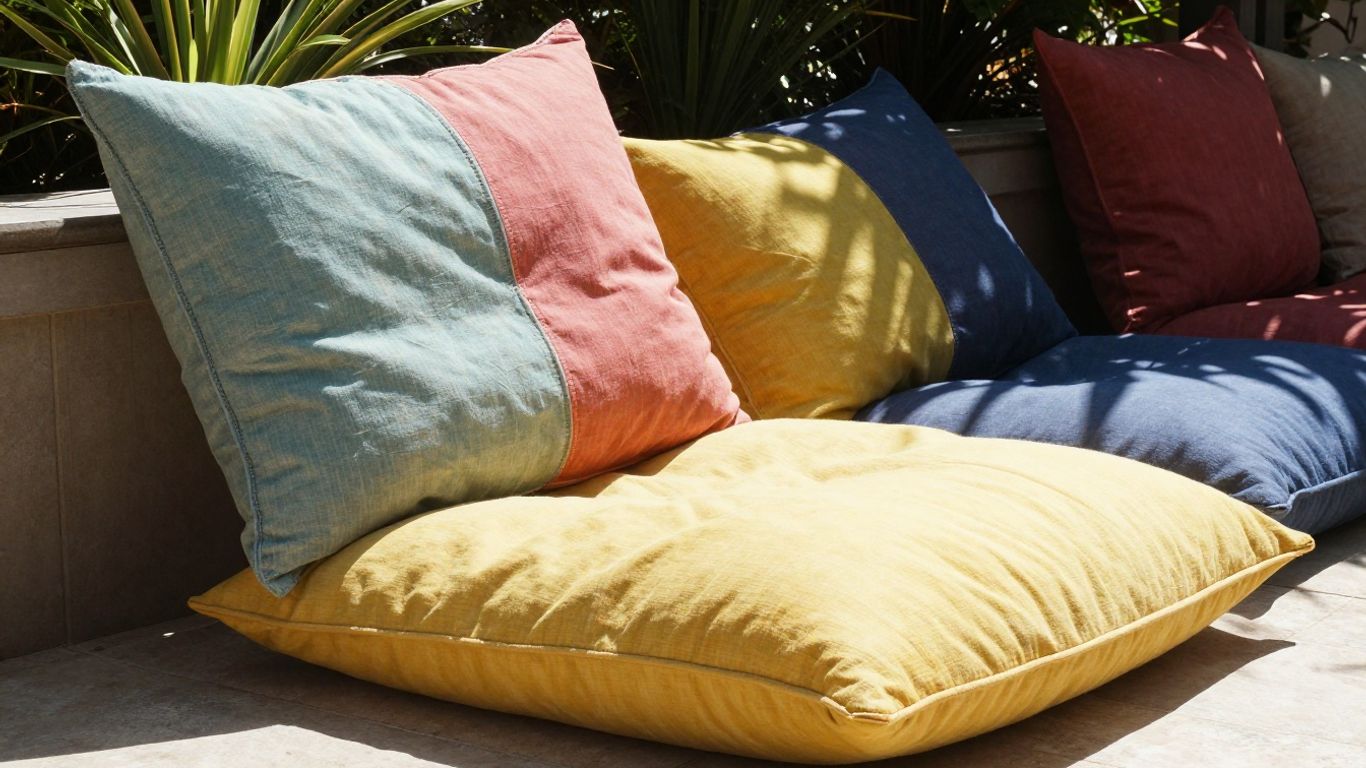
Even with the best sun protection, regular upkeep makes a big difference in how long your outdoor cushions look good. Think of it like giving them a little spa treatment to keep them fresh.
Rotate And Flip Cushions For Even Sun Exposure
Sunlight doesn’t always hit your cushions equally. One side might get blasted while the other is in the shade. This uneven exposure leads to patchy fading, where one part looks worn out while the rest is still vibrant. The simple solution is to rotate and flip your cushions regularly. This distributes the wear and tear, giving every surface a fair chance at the sun. It’s a small step that really helps them age gracefully.
Inspect Cushions For Moisture And Stains During Rotation
While you’re flipping and turning those cushions, take a moment to give them a quick once-over. Look for any damp spots, especially after a rain shower or overnight dew. Check for new stains from spills or bird droppings. Catching moisture early can prevent mildew from setting in, and dealing with stains right away stops them from becoming permanent. It’s also a good time to brush off any loose dirt or debris that might have settled in.
Establish A Consistent Rotation Schedule
Making this a habit is key. You don’t need a complicated system. Try setting a reminder on your phone for, say, every Sunday. That’s your cushion-flipping time. If your cushions are square or rectangular, try rotating them 90 degrees each time, not just flipping them front to back. This ensures all sides get exposure. You can even pair this task with another regular outdoor chore, like watering plants or wiping down the patio table. It makes it easier to remember and gets two things done at once. For more tips on keeping outdoor fabrics looking their best, you might find information on UV-resistant materials helpful.
Effective Storage Strategies To Prevent Fading
Even the best outdoor cushions can take a beating from the sun and weather. While you want to enjoy them, sometimes putting them away is the smartest move for their longevity. Proper storage isn’t just about tucking them out of sight; it’s about protecting them from the elements that cause fading and wear.
Store Cushions Indoors Overnight
Leaving cushions out overnight might seem harmless, but they can absorb dew and moisture. This trapped dampness can lead to mildew and, over time, break down the fabric and foam faster. Plus, temperature swings overnight can be tough on materials. Bringing them inside, even just into a garage or covered porch, gives them a much-needed break from constant exposure. It’s a simple habit that really helps preserve their color and structure.
Utilize Outdoor Storage Benches And Boxes
If bringing cushions inside every night isn’t practical, outdoor storage solutions are your next best bet. Look for benches or boxes made from durable, waterproof materials like resin or treated wood. Make sure they have good ventilation to prevent moisture buildup inside. These are great for keeping cushions dry and out of direct sun during the day when you’re not using them. It’s a good idea to make sure cushions are completely dry before storing them, especially if you’re sealing them up for a while. You can find some really sturdy options designed specifically for patio furniture, which often have features like hinged lids and secure latches. These can also double as extra seating or a surface for drinks when you’re entertaining. For a bit of extra protection, consider using waterproof furniture covers inside these storage units, especially during prolonged periods of non-use.
Consider Sheds Or Lockers For Off-Season Storage
When the patio season winds down, or if you live in an area with harsh winters, a more robust storage solution is ideal. A small garden shed or a sturdy outdoor locker offers excellent protection. These spaces keep cushions completely shielded from UV rays, rain, snow, and even dust. If you’re storing them for several months, this is the best way to ensure they come out looking almost new the following spring. Organizing within the shed using shelves or labeled bins can make retrieving them much easier when the weather warms up again. Just like with mattress care, regular rotation and proper storage are key to making things last longer.
Choosing Materials Resistant To Outdoor Cushion Fading Sun UV
When you’re picking out new outdoor cushions, or even just thinking about replacing the fabric on old ones, the material itself makes a big difference in how well it holds up to the sun. Some fabrics are just built tougher against those bright rays. Solution-dyed acrylic fabrics are a top choice for a reason. They’re made by adding the color pigment right into the fibers during production, not just dyeing the surface. This means the color is locked in deep, making it much harder for the sun to bleach it out.
Opt For Solution-Dyed Acrylic Fabrics
Think of it like this: if you dye a piece of paper, the color might fade. But if you make the paper itself out of colored pulp, the color is there all the way through. That’s essentially what happens with solution-dyed acrylic. It can handle a lot of sun exposure, often around 1,000 hours, before you even start to see a change. Plus, these fabrics tend to feel pretty nice, not stiff or plasticky, which is great for comfort. You can find a whole range of colors, and they tend to stay looking fresh for a long time. If you’re looking for fabric by the yard for DIY projects or custom cushions, keep an eye out for 600D polyester Oxford material that’s specifically designed for outdoor use and UV resistance.
Consider Cushions Made With UV-Stabilized Materials
Beyond acrylics, many outdoor fabrics are treated with UV stabilizers. These are chemicals added to the material that help absorb or reflect the sun’s harmful ultraviolet rays. It’s like a built-in sunscreen for your cushions. While solution-dyed acrylic is often considered the gold standard, other synthetic materials can also be effective if they have good UV stabilization. Always check the product descriptions or ask the manufacturer about the UV resistance ratings. Some materials might be rated for a certain number of hours of direct sunlight before fading begins.
Explore Lighter Color Palettes To Reflect Light
While fabric construction is key, color plays a role too. Darker colors tend to absorb more heat and light, which can accelerate fading. Lighter colors, on the other hand, reflect more sunlight. So, if you’re choosing between a deep navy and a light beige, the beige cushion will likely stay looking vibrant for longer under the same sun exposure. It’s a simple physics trick that can help your cushions last. You can also look for cushions that come with UV-stabilized covers for an extra layer of protection.
Choosing the right material from the start is like giving your cushions a head start in the battle against the sun. It’s about picking fabrics that are inherently built to resist fading, rather than just hoping a coating will do all the work.
Utilizing Protective Covers For Daily Defense
Sometimes, the simplest solutions are the most effective, and when it comes to keeping your outdoor cushions looking fresh, a good cover is a game-changer. Think of it as a daily shield against the elements. These covers are specifically designed to block UV rays, repel water, and keep out all sorts of grime like dirt and pollen. It’s a pretty easy step that can really make your cushions last longer without a ton of extra work or a big hit to your wallet.
Select Covers Made From UV-Resistant Fabric
Not all covers are created equal. When you’re shopping, always look for covers that are explicitly labeled as UV-stabilized or UV-resistant. This means the fabric itself has been treated or made in a way that helps it stand up to the sun’s harsh rays. Polyester with a PU coating is a common and reliable choice you’ll see. It’s built to handle the outdoors. You can find some great options made with high-quality, weather-resistant fabric that are designed for this exact purpose.
Ensure Covers Are Waterproof And Breathable
Protection isn’t just about the sun; it’s also about moisture. You want a cover that keeps rain and dew out, but it also needs to let your cushions breathe. A cover that traps moisture inside can quickly become a breeding ground for mildew, and nobody wants that. Look for features like double-stitched seams and zipper covers that help keep water from seeping in. On the flip side, good covers will have air vents or be made of materials that allow for some air circulation. This balance is key to preventing both fading and mold.
Choose Covers With A Secure Fit To Prevent Shifting
Wind can be a real nuisance, especially when it comes to keeping things covered. A loose-fitting cover can easily get blown off, leaving your cushions exposed. To avoid this, opt for covers that have a secure fit. Features like drawstrings, Velcro straps, or buckles are super helpful. They allow you to cinch the cover down snugly around your cushions, making sure it stays put even when the wind picks up. This prevents the cover from shifting and ensures continuous protection.
Keeping your cushions covered when they’re not in use, even just overnight, significantly reduces their exposure to dew, temperature fluctuations, and direct sunlight. This simple habit prevents moisture from getting deep into the fabric and foam, which can lead to mildew, odors, and faster fading over time.
Conclusion
Keeping your outdoor cushions looking great, even after a summer of sun, is totally doable. It’s all about being a little smart about how you use and care for them. By mixing shade, protective sprays, regular maintenance, smart storage, and choosing the right materials, you can really cut down on that annoying outdoor cushion fading from sun UV. Think of it as giving your cushions a little extra love, and they’ll reward you with vibrant color all season long. Happy lounging!
Frequently Asked Questions
Why do my outdoor cushions fade so fast?
The main culprit is the sun’s UV rays. Even on cloudy days, these rays can break down the fabric colors over time. If your cushions are left out in direct sun for long periods, they’ll fade much quicker. Think of it like leaving a colorful t-shirt in the window – it eventually gets lighter.
What’s the best way to stop cushions from fading?
The best approach is a mix of things. Giving them shade when you can is huge. Using special sprays that act like sunscreen for fabric helps a lot too. Plus, storing them away when you’re not using them, especially at night, makes a big difference.
How often should I use UV protectant spray?
You should reapply the spray every 4 to 6 weeks during the sunny season. It’s also a good idea to reapply after your cushions get really wet from rain or if you’ve just cleaned them thoroughly. It needs time to dry and set properly, so plan for that.
Are some fabrics better than others for outdoor cushions?
Yes, definitely! Fabrics called solution-dyed acrylics are really good at resisting fading. They’re made in a way that the color is part of the fiber itself, not just on the surface. Lighter colors also tend to show fading less than dark ones because they reflect more light.
What’s the deal with rotating cushions?
Rotating and flipping your cushions helps them fade evenly. If one side is always facing the sun, it will look worn out much faster than the other sides. By moving them around, you spread out the sun’s effect, so they all age a bit more gracefully together.
Can I just cover my cushions instead of storing them?
Using good quality covers is a great idea! Look for covers made from UV-resistant material that are also waterproof but breathable. They offer daily protection from the sun and rain. While not as good as bringing them inside, covers are a solid step to prevent outdoor cushion fading.