
Key Takeaways
Properly planning for your outdoor space involves selecting durable materials and maintaining them consistently to ensure longevity. These core principles guide you toward creating a comfortable and resilient patio environment.
- Select solution-dyed fabrics to maintain color vibrancy despite intense sun exposure.
- Use high-density, porous foams that facilitate quick water drainage after rain.
- Measure frames accurately to prevent cushion sliding and ensure a tailored fit.
- Implement a regular cleaning schedule to prevent organic debris from causing mildew.
- Choose between custom or stock options based on your specific furniture dimensions.
Understanding outdoor fabric performance
Selecting the right textile for your Outdoor and Patio Cushions determines how well they withstand the elements over time. High-quality synthetic canvases are engineered to handle harsh conditions, providing a barrier that resists fading and moisture accumulation throughout various seasons. Professionals at the Foam and Upholstery Centre often emphasize that the initial choice of material significantly dictates the lifespan and aesthetic appeal of your outdoor furniture setup.
Benefits of solution-dyed synthetic canvases
Solution-dyed fabrics integrate color directly into the pigment of the fiber before they are spun into yarn, preventing the hues from washing out or bleaching under the sun. This manufacturing process results in exceptional color consistency compared to surface-dyed alternatives, which may lose their vibrance after only a few months of use. Opting for these advanced textiles ensures that your seating remains visually appealing through years of heavy exposure to the elements.
Comparing water-resistant versus waterproof coatings
Water-resistant fabrics are designed to allow water to bead off the surface under light rain, whereas fully waterproof materials create an impermeable barrier that prevents any moisture from reaching the cushion interior. Most outdoor fabrics fall into the water-resistant category, as total waterproofing can sometimes trap humidity inside the cushion. Choosing correctly involves assessing your local climate and how frequently your furniture is sheltered from direct storms.
Evaluating uv fade resistance ratings
Understanding ultraviolet protection ratings helps you set expectations for how quickly a fabric will show signs of wear in direct sunlight. Fabrics with higher ratings maintain their structural integrity and color for longer, effectively delaying the need for replacement. By examining these technical specifications, you provide your outdoor space with the best defense against the degrading power of the sun.
Choosing the right internal cushion fillers
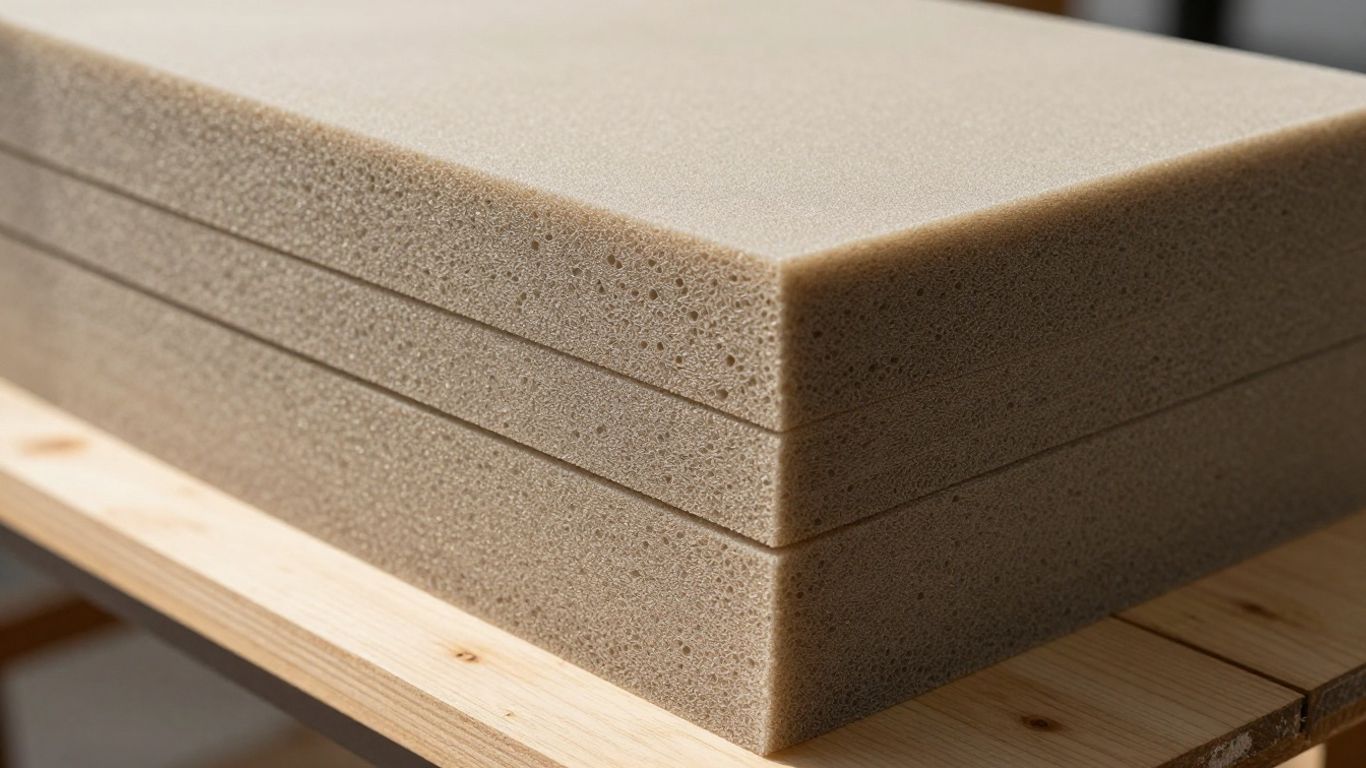
Selecting the correct interior filler for your furniture is just as critical as choosing a durable outer fabric for Outdoor and Patio Cushions. You need a combination of comfort and structural resilience to ensure the seating holds its shape while providing an inviting spot for relaxation. Proper selection prevents the common issue of cushions bottoming out or becoming a breeding ground for organisms that thrive in damp outdoor environments.
High-density foam for structural support
High-density foam provides the firm foundation necessary for long-term support and shape retention in deck chairs and sofas. This material is resistant to compression, meaning your seating remains consistent even after years of daily use. Foam and Upholstery Centre experts recommend these dense structures to prevent sagging and ensure a professional appearance that stands the test of time.
Quick-dry porous fibers for drainage
Using specialized, quick-dry porous foams allows water to drain effectively through the cushion rather than pooling within the material. This rapid drainage process is essential for maintaining a clean seating environment in humid regions where moisture would otherwise linger. Properly installed filters ensure that your cushions dry quickly after rain, keeping the entire furniture system stable and hygienic.
Poly-fill batting for plush comfort
Poly-fill batting adds a soft, luxurious outer layer that makes rigid foam feel more welcoming and comfortable for extended sitting. It provides the necessary loft to create that distinct, cozy feeling often associated with high-end furniture design. When layered correctly over a sturdy core, this combination achieves a balance between functional support and inviting softness.
Proper measuring techniques for custom cushions
Accurate measurements are the foundation of achieving a professional result, especially when creating or replacing Outdoor and Patio Cushions for non-standard furniture frames. Even a small error can result in a fit that looks sloppy or makes the usage of the chair uncomfortable. Taking the time to record your dimensions with precision before placing an order or cutting fabric saves significant time and frustration during the assembly phase.
Accounting for frame curves and rounded corners
Frameworks with organic curves or rounded corners require careful tracing to ensure the fabric follows the exact contour of the seat. For these pieces, creating a paper template of the actual frame remains the most accurate way to transfer dimensions. By ignoring the old cushion’s potential deformation and focusing solely on the structural frame, you get a custom fit every time.
Determining optimal thickness and seam allowance
Standard thicknesses vary depending on the comfort profile and the depth of your existing furniture frame. Ensuring you include an appropriate seam allowance is vital for assembling covers that are neither too loose nor overly tight, which could stress the stitching. Proper planning allows for the natural bulk of the internal filler, leading to a plush and professionally finished look.
Ensuring a secure fit to minimize shifting
Securing cushions properly prevents them from sliding or falling off in windy conditions. You can leverage friction and secure tie-downs to ensure your lounge pieces stay exactly where they were intended. A snug fit, combined with smart attachment methods, keeps your outdoor area looking orderly and ready for use at a moment’s notice.
Essential care and maintenance routines
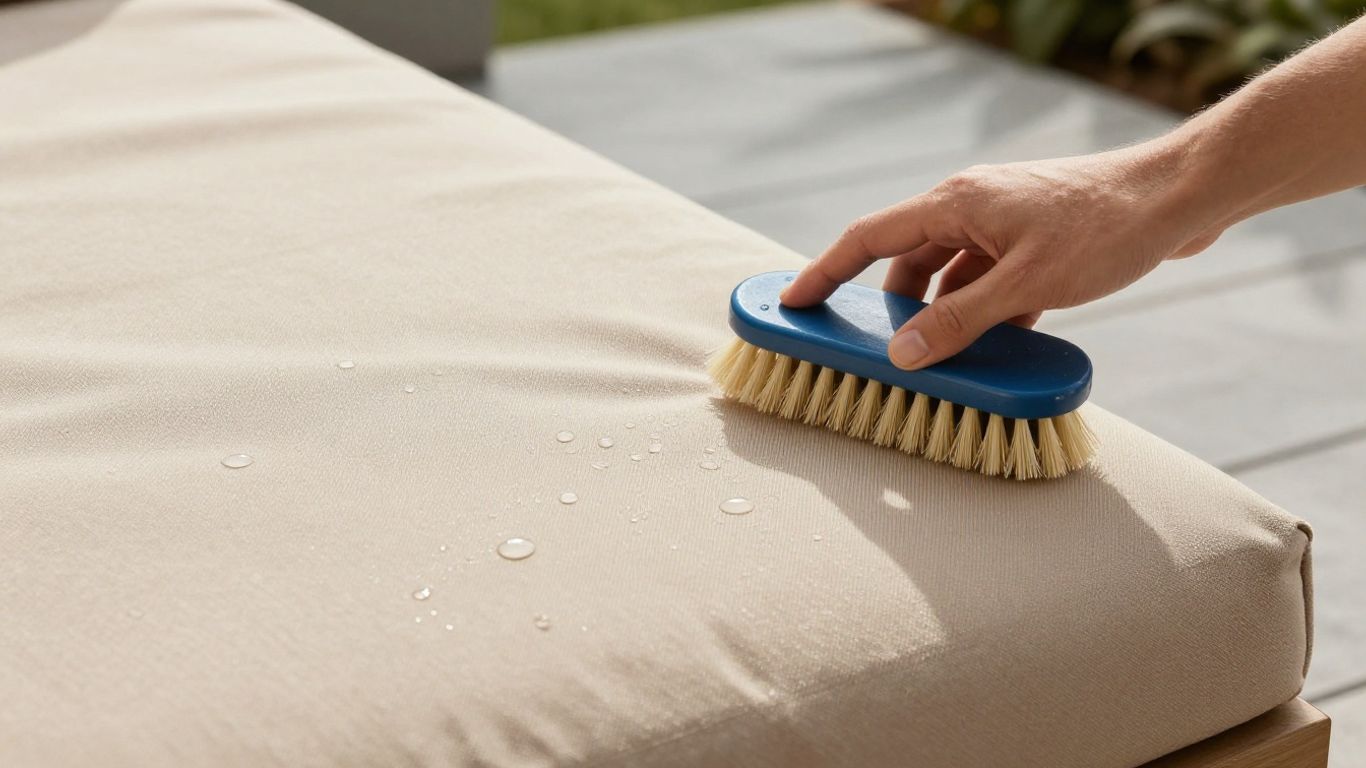
Regular care is the secret to extending the life of your furniture and keeping your space inviting. Whether you have invested in custom pieces or standard replacements, establishing a consistent maintenance routine prevents the buildup of dust and spores that often lead to premature fabric degradation. The Foam and Upholstery Centre provides several expert tips on protecting cushion integrity to help keep your outdoor seating pristine for seasons to come.
Routine cleaning protocols to prevent mold and mildew
Developing a habit of vacuuming loose debris and giving your cushions a gentle rinse with mild soap keeps the fabric looking fresh. Mold and mildew thrive on organic matter, so keeping the surface clean is your first line of defense. Consistent attention to cleanliness and maintenance prevents these issues from penetrating the fabric layers.
Best practices for seasonal storage and organization
During periods of extreme weather, the best strategy is moving your cushions to a shaded and dry indoor space. If storage space is limited, using high-quality protective covers helps mitigate the damage caused by freezing temperatures or damp, dark winters. Staying organized during the transition between seasons keeps your cushions ready for the first warm day of spring.
Effective spot treatment methods for garden stains
Accidents happen, but most common stains can be managed with a prompt response using mild cleaning agents. The following table identifies common garden hazards and recommended immediate actions for effective removal.
| Stain Source | Recommended Treatment | Action Required |
|---|---|---|
| Organic Leaves | Sweep away immediately | Brush with dry cloth |
| Bird Droppings | Mild soapy water mix | Gently scrub spot |
| Mud Splashes | Air dry then vacuum | Lightly brush off |
Addressing these small concerns before they set ensures your fabrics retain their intended beauty and value for much longer.
Custom versus stock cushion options
Deciding between mass-produced and bespoke solutions often highlights the trade-offs between immediate availability and perfect integration within your living area. Custom cushions allow for personalization of fabric, thickness, and dimensions, while standard sizes provide a budget-friendly way to refresh a space quickly. When it comes to replacement or custom sizing, evaluating the long-term impact on your patio’s comfort is essential.
Evaluating the value of made-to-measure pieces
Made-to-measure pieces offer the highest level of detail, allowing for specific patterns, unique shapes, and customized comfort levels suited to your exact body weight and sitting habits. Although this path usually requires a higher initial investment, the aesthetic and functional payoff is often superior for challenging furniture frames. It turns every chair into a bespoke piece that perfectly mirrors your style choices.
Advantages of purchasing standard replacement sizes
Standard sizes are readily available and typically cost significantly less than custom work, making them ideal for standard outdoor furniture. For many homeowners, these options provide an efficient fix that restores comfort immediately. If your furniture fits the standard industry dimensions, you save on design time while achieving great visual consistency.
Coordinating fabric patterns with outdoor color palettes
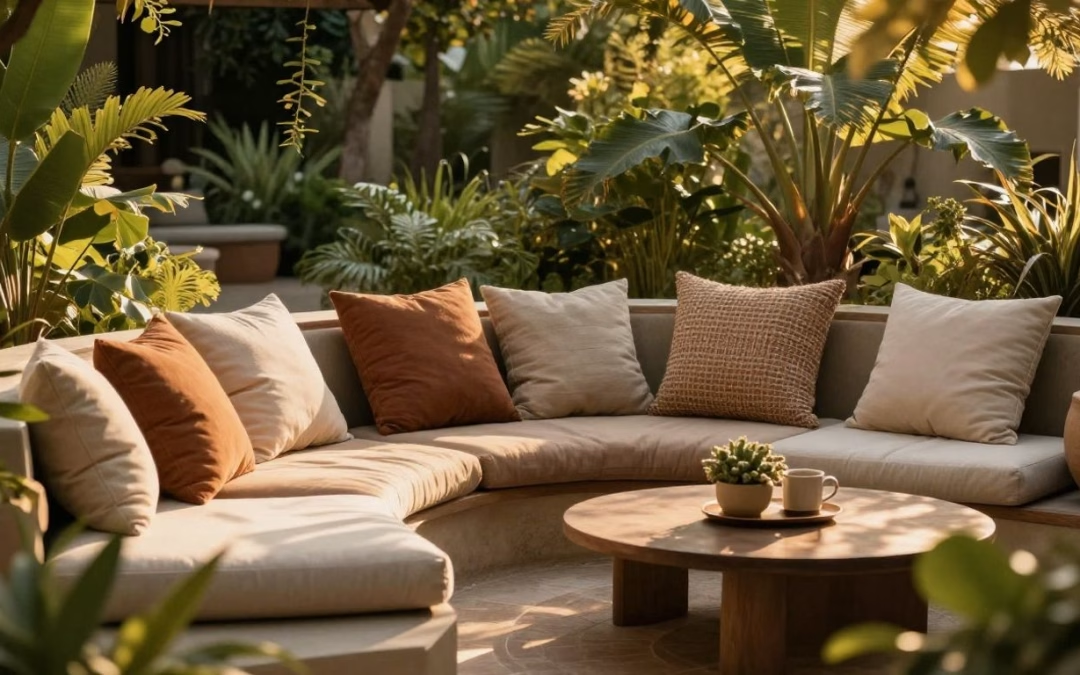
Your cushions serve as soft accents that pull together the overall design of your backyard, acting as the bridge between your natural landscaping and interior style. Selecting fabrics that coordinate with your existing umbrellas, pots, and wall colors creates a cohesive look. Careful consideration of color and texture plays a vital role in styling a space that feels managed, comfortable, and visually connected to the rest of the home.
Enhancing durability against environmental factors
Outdoor elements are relentlessly active, ranging from intense UV radiation to heavy, moisture-laden humidity that challenges the best materials. Protecting the longevity of your investment means thinking ahead and building in layers of defense that work regardless of the current season. This includes using smart placement and high-performance materials to shield your cushions from the most corrosive environmental forces.
Mitigation strategies for intense direct sunlight
Direct sun exposure is the primary driver of fading, which can make even expensive fabric look tired after a single season. Utilizing natural shade from trees or mechanical solutions like umbrellas and pergolas significantly slows the breakdown of fibers. Preventing sun damage through active shading ensures your cushions retain their color and strength through the hottest months of the year.
Managing moisture levels in humid climates
In high-humidity areas, keeping cushions away from pooling water is vital for preventing the internal growth of organic matter. If you live in a coastal or rainy climate, ensure your furniture is positioned to allow airflow beneath the seat, which naturally regulates moisture levels. These simple physical changes help maintain the internal density of the cushions over many years.
Protecting fabric integrity against organic debris
Organic debris, such as decaying leaves or bird waste, introduces bacteria and chemicals that can stain or weaken the weave of your cushion covers. The best way to combat this is to prevent the materials from landing or sitting on your fabric. Maintaining a clean surrounding environment where your Outdoor and Patio Cushions reside ensures that their exterior remains as vibrant and resistant as the day they were first installed.
Conclusion
Creating an inviting outdoor oasis relies on a thoughtful mix of technical material selection, precise measuring, and diligent care. By prioritizing high-density fillers and durable, fade-resistant fabrics, you build a space that offers comfort season after season. With proactive maintenance and a clear understanding of your environment, your cushions remain a welcoming highlight of your home, ensuring every moment spent outside is as comfortable as the last.
Frequently Asked Questions
Are outdoor cushions meant to be left outside permanently?
While most are engineered to handle weather, it is best to store them or use protective covers during heavy storms to prevent saturation and mold growth.
How do I stop my patio cushions from sliding off chairs?
Using non-slip rug pads underneath the cushions or incorporating tie-down straps are effective methods to keep seating in place even on windy days.
Can I wash cushion covers in a standard washing machine?
Always check the specific fabric care label first, as many high-performance outdoor materials require hand washing or specific gentle cycles to preserve their water-resistant finish.
What signifies high-quality outdoor foam?
Quality outdoor foam is categorized by a higher density that resists long-term compression and an open-cell structure that allows for rapid water drainage after exposure to rain.
How often should I clean my outdoor cushions?
A light cleaning with soap and water once a month is usually sufficient, though a more thorough deep cleaning at the start and end of the season helps maintain fabric health.
Does fabric color affect fade resistance?
Generally, darker saturated colors may show contrast faster if the material quality is low, whereas solution-dyed fibers maintain their color integrity regardless of the shade chosen.
Is it better to replace or recover outdoor cushions?
If the internal foam remains firm and supportive, recovering is often the more cost-effective and sustainable choice; however, if the foam has lost its structure, replacing the entire cushion is recommended.